
Last updated October 16, 2026
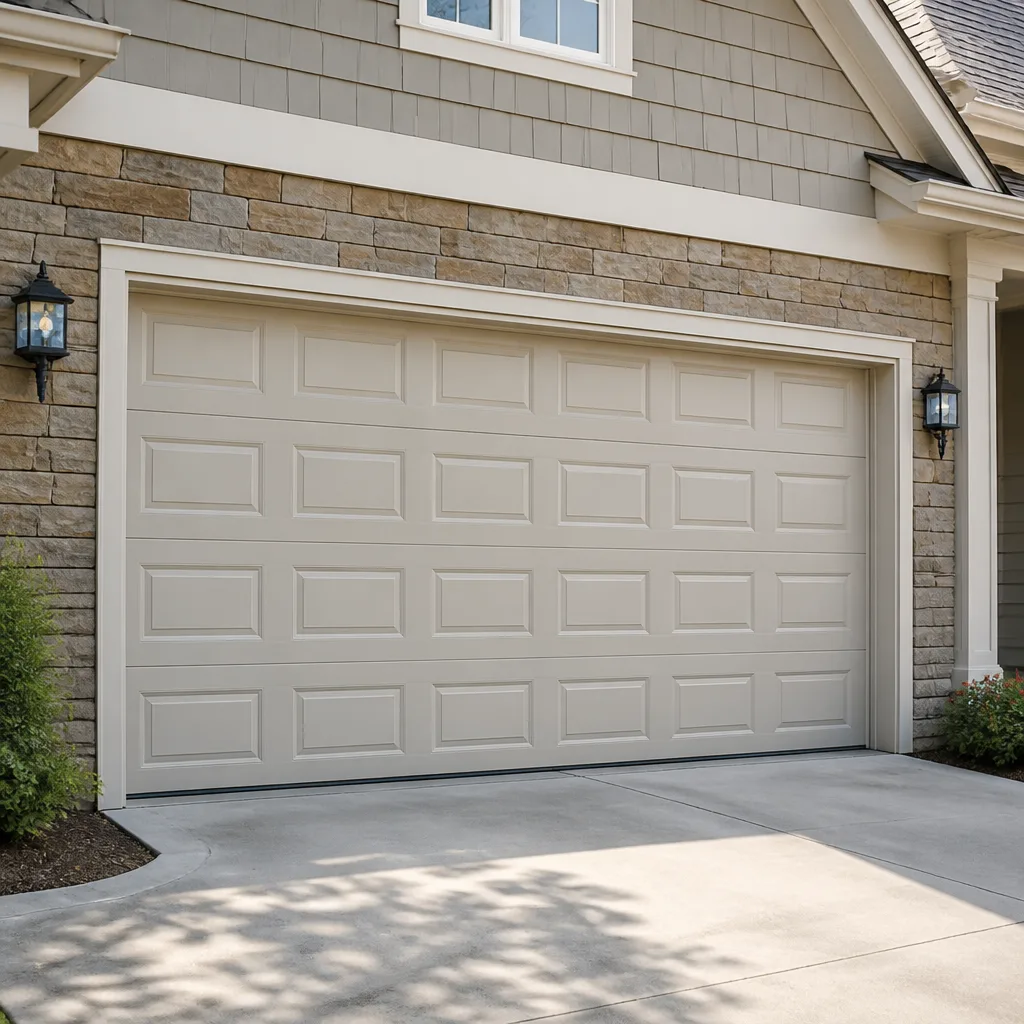 Raised-panel steel
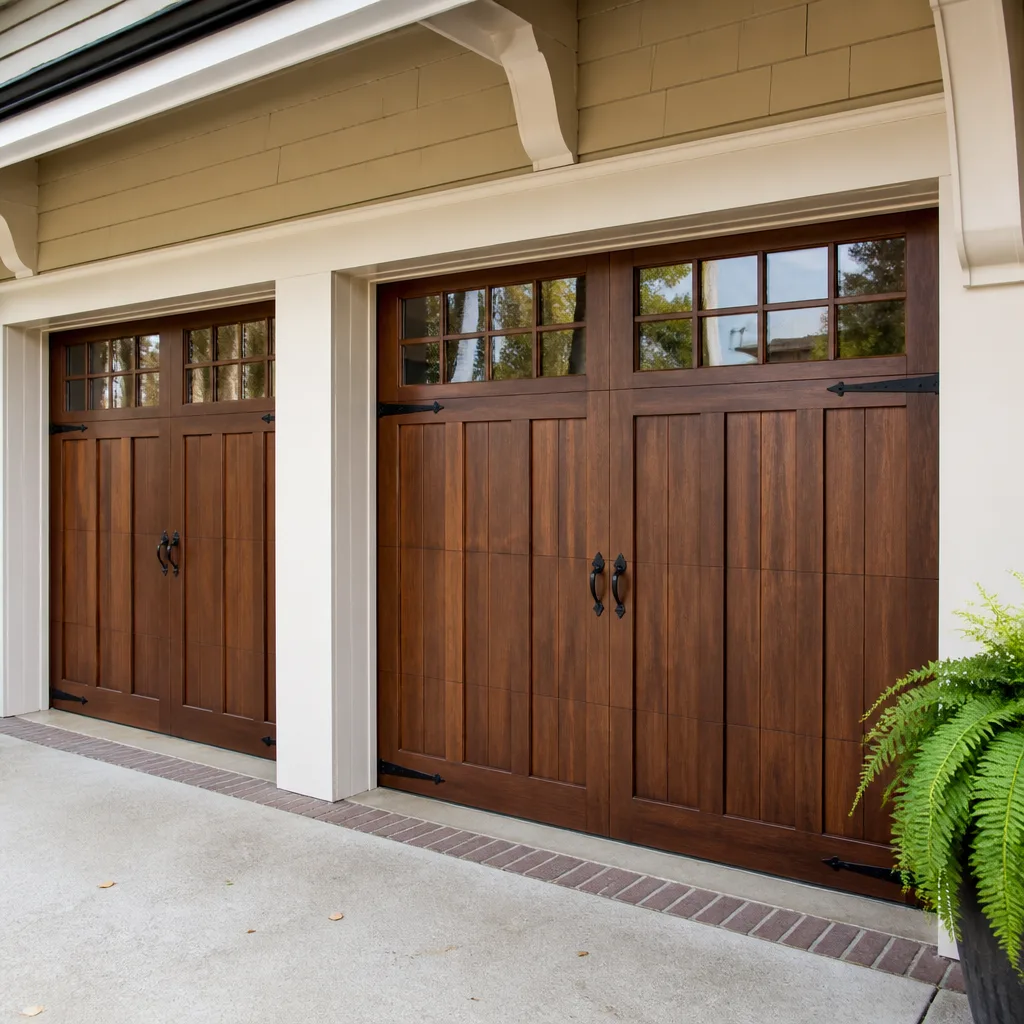 Carriage house
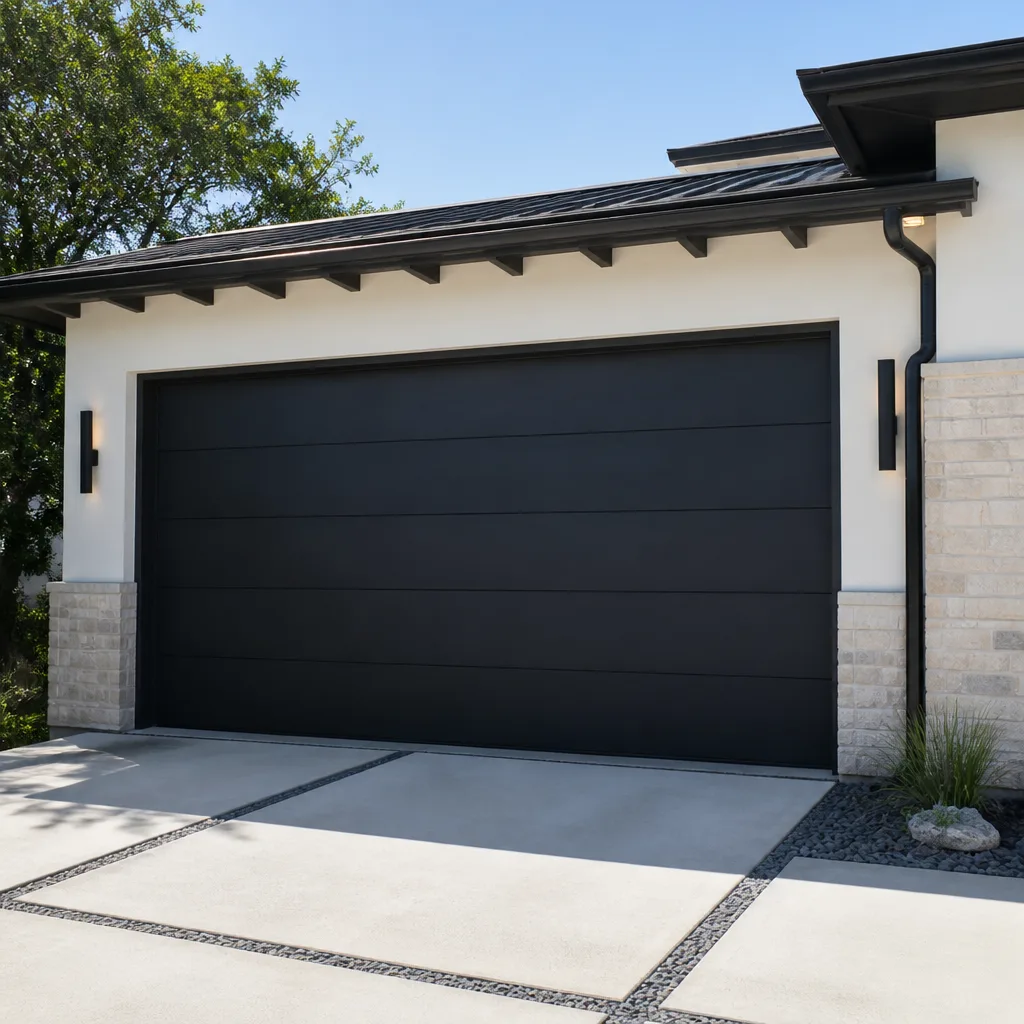 Modern flush
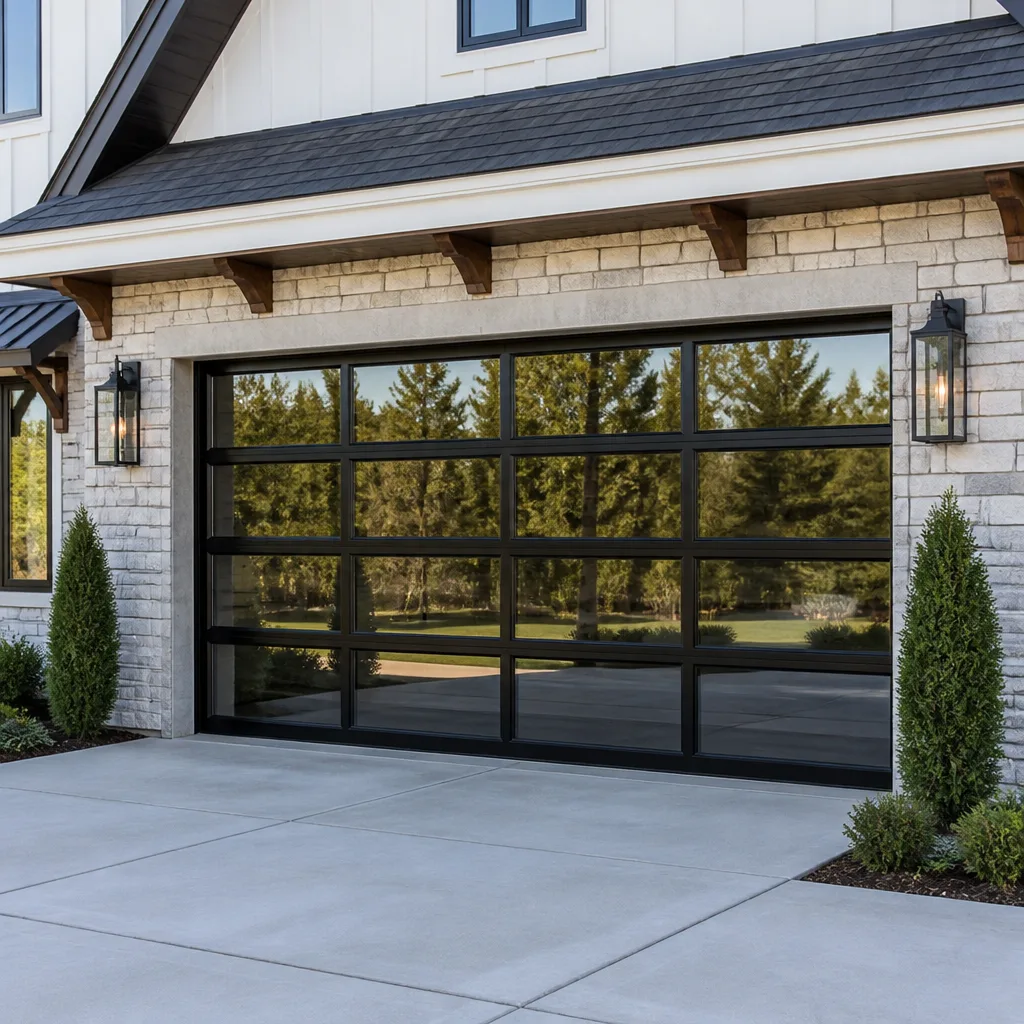 Full-view glass
 LiftMaster openers
 Chamberlain openers
Full 25-point door and opener safety check with every visit - springs, cables, rollers, tracks, and your LiftMaster or Chamberlain opener included
You get a price before we start. It does not change when the truck arrives.
Get your free estimateGarage Door Repair Maintenance Checklist for Woodland Hills Homeowners
Most maintenance checklists tell you to lubricate the springs. That’s bad advice. Garage door springs should never be lubricated by a homeowner because the oil masks the wear patterns that a technician uses to judge when replacement is due. In Woodland Hills, where the heat of the western San Fernando Valley bakes garage-door hardware from May through October, the right checklist matters more than it does almost anywhere else in Los Angeles. This guide will give you pass/fail criteria for every inspection point, the exact lubricants to use (and the two parts to never spray), and the seasonal timing that matters for this specific climate.
Quick Answer
A garage door maintenance checklist for Woodland Hills homeowners should be run twice a year: once in early May before summer heat hits, and once in November after Santa Ana wind season ends. The checklist covers visual inspections of springs, cables, rollers, and tracks; lubrication of specific moving parts only (never springs or brake drums); and two safety tests required by UL 325 that most homeowners skip. Most of it takes under 20 minutes, and the findings should be logged in a simple maintenance record.
Styles & brands we work with
Table of Contents
- What a Healthy Spring Looks Like vs. One That’s About to Fail
- Cable Inspection: The Fraying Threshold That Matters
- Roller Check: The Flat-Spot Test You Can Do in 30 Seconds
- Track Alignment: The Gap Measurement That Predicts Problems
- Exactly What to Lubricate (and the Two Parts You Must Never Spray)
- The Two UL 325 Safety Tests Most Homeowners Skip
- Why May and November Are the Two Critical Checklists for Woodland Hills
- How to Log Findings in a 5-Minute Maintenance Record
What a Healthy Spring Looks Like vs. One That’s About to Fail
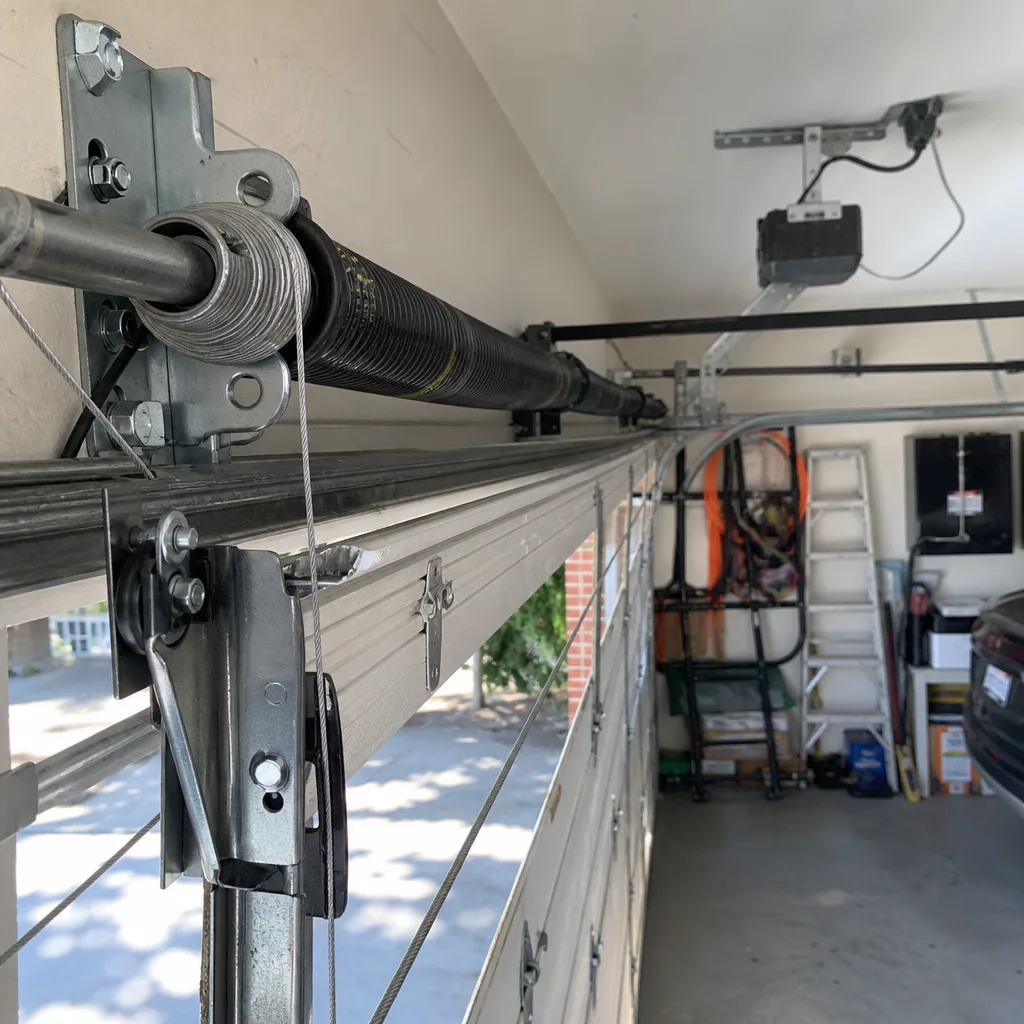
Your garage door has one of two spring systems. A torsion spring is the horizontal coil mounted on a metal shaft directly above the closed door. Extension springs are the two long coils that stretch along the horizontal tracks on either side of the door. Both do the same job: they counterbalance the weight of the door so the opener motor only has to move it, not lift it.
Here’s the pass/fail criteria we use on service calls across Woodland Hills, from Walnut Acres to the neighborhoods south of Ventura Boulevard:
Pass: A torsion spring shows no visible rust, no gaps in the coil, and no more than a 1/8-inch gap between coils when the door is closed. An extension spring is intact with no separation at the ends and no thinning at any point along its length.
Fail: You see rust pitting anywhere on the spring, a gap in the coil wider than 1/8 inch, or any visible separation in the metal. On extension springs, look for thinning near the ends, where the wire diameter looks narrower than the middle. That’s where they snap.
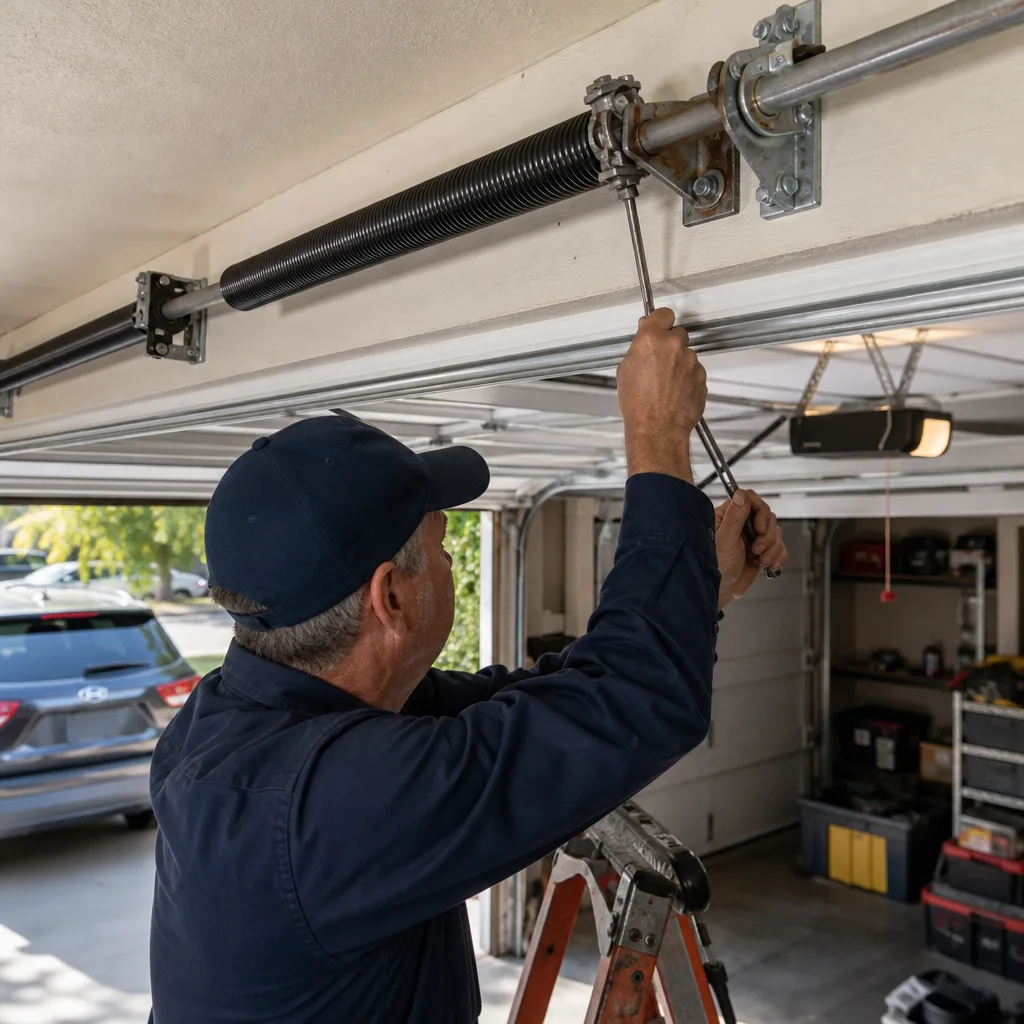
The average torsion spring is rated for about 10,000 open-and-close cycles, which translates to 8 to 12 years for a typical Woodland Hills household, but the valley heat accelerates metal fatigue. If your door is 10 years or older and the spring has never been replaced, it’s on borrowed time. A spring that fails while the door is open can send a 150-pound door crashing down. This is the one component you should never attempt to replace yourself. High-tension springs store enormous kinetic energy, and the wrong move can cause severe injury. If any fail criteria are present, call a professional.
Replacement cost in Woodland Hills typically runs $180 to $340 per spring, depending on the spring type and door weight. A pair is standard practice, since both springs wear at the same rate. We’ve covered the full breakdown in our Garage Door Spring Repair in Woodland Hills guide, including what to expect during a typical service visit.
Cable Inspection: The Fraying Threshold That Matters
The cables are the braided steel wires that run from the bottom brackets on either side of the door up to the spring system. They transfer the spring’s lifting force to the door. When a cable frays and snaps, the entire load shifts to one side, and the door can jam at an angle in the tracks or fall.
The fraying threshold is more specific than most checklists suggest. One or two broken individual wires within the braid is a warning sign. Count them. If you can see three or more broken wires anywhere along the visible length of the cable, that cable is compromised and needs replacement. Don’t wait for a full snap.
Woodland Hills has a specific cable problem we don’t see as often in coastal communities: powder-like corrosion. The dry heat and proximity to the 101 corridor means airborne dust settles on cable sheaves and works into the braid, acting as a fine abrasive every time the door cycles. If you run your fingers along a cable and come away with reddish-brown dust, the cable is abrading itself from the inside.
Pass/fail criteria:
- Pass: Cables are clean, uniformly silver, with zero to two broken strands visible, and no rust staining.
- Fail: Three or more broken strands, any visible bulge or kink in the cable, rust staining that wraps more than halfway around the cable, or a cable that has come off the pulley.
Cables are the second component you should not attempt to replace yourself. They’re under the same tension as the springs, and a cable that releases unexpectedly can whip with enough force to break bone. If your cable has failed, the door should be kept closed and the opener unplugged until a tech arrives. Our Garage Door Cable Repair in Woodland Hills page explains the replacement process and price ranges.
Roller Check: The Flat-Spot Test You Can Do in 30 Seconds
Most rollers on residential garage doors in Woodland Hills fall into two categories: steel rollers with ball bearings, and nylon rollers with sealed bearings. Nylon rollers last longer and run quieter; steel rollers, which were common on doors installed before 2010, wear faster and corrode in humid microclimates, which is less of a Woodland Hills issue but still relevant in the shaded canyons south of the Boulevard.
The flat-spot test: with the door closed, grab the roller stem between your thumb and forefinger and try to move it up and down within the track. There should be very little play. Then, open the door halfway and watch the rollers as they pass through the curved section of the track. A good roller rotates smoothly. A flat-spotted roller hits the same spot on every rotation, which you’ll hear as a rhythmic thump or see as a slight jerk in the door’s movement.
Pass/fail criteria:
- Pass: Rollers rotate freely, the wheel surface is round with no visible flat area, and the stem has minimal vertical play (less than 1/16 inch).
- Fail: Any visible flat spot on the wheel surface, a wheel that doesn’t rotate when the door moves, a wobbling motion, or severe play in the stem that lets the roller tilt within the track.
A single failed roller can throw the entire door out of balance, which accelerates wear on the springs and cables. Roller replacement is a lower-risk job, but if you’re already seeing flat spots, you probably want a tech to check the door’s balance at the same time. This is standard practice during a full Garage Door Repair in Woodland Hills service call.
Track Alignment: The Gap Measurement That Predicts Problems
Garage door tracks are the vertical and horizontal rails that guide the rollers. They’re made of galvanized steel and they’re bolted to the wall and ceiling with metal brackets. Over time, the vibration of daily cycling and the expansion and contraction of the garage structure itself can shift those brackets, especially in Woodland Hills, where seasonal temperature swings of 40-plus degrees between January mornings and August afternoons cause measurable movement in wood framing.
The gap measurement: the space between the inside edge of the track and the roller wheel should be between 1/16 inch and 1/8 inch. More than an 1/8 inch means the track has moved or the roller has worn. Less than 1/16 inch means something is pinching.
Here’s how to check: with the door closed, look at the vertical tracks on both sides. The gap should be consistent from top to bottom. Then open the door and check the horizontal tracks. Pay special attention to the curved transition zone between vertical and horizontal, because that’s where misalignment shows up first.
Pass/fail criteria:
- Pass: Consistent gap of 1/16 to 1/8 inch along the entire track, no visible bends or dents, all bracket bolts tight, tracks plumb on the vertical section.
- Fail: Gap varies by more than 1/16 inch along the track, visible dent or bend anywhere, loose bracket bolts, or the track appears to be pulling away from the wall.
If the gap fails, don’t loosen the track bolts and try to re-align it yourself. Track alignment affects the balance of the entire door, and a door that comes out of balance while you’re adjusting it can shift suddenly. This is a trained-professional adjustment.
Exactly What to Lubricate (and the Two Parts You Must Never Spray)
Here is the lubrication truth that most checklist writers get wrong. You need exactly one product: a white lithium grease spray or a garage-door-specific silicone spray. Not WD-40, which is a solvent and will strip the grease that’s already there. Not motor oil, which attracts dust and turns into a grinding paste in Woodland Hills conditions, where the air is dry and dust is constant.
What to lubricate:
- Roller bearings: Spray the stem where it enters the wheel, not the wheel surface itself. You want the bearing to get the lubrication, not the track contact point.
- Hinges: The pivot points where the door panels bend. One short spray on each hinge pin, twice a year.
- The opener chain or belt drive: If your opener uses a chain, a light application to the chain itself. If it uses a belt, do not lubricate the belt at all.
What to never spray:
- Springs: Never. Lubricating a torsion or extension spring creates a film that hides the surface rust, cracks, and wear patterns that signal the end of a spring’s life. It also does nothing functionally, because the spring doesn’t rub against anything.
- Brake drums or chain guards: If your opener has a brake system, lubricant can cause the brake to slip, which affects the door’s stopping point and can trigger a reversal fault.
Lubrication mileage varies. In Woodland Hills, the dust load is the real variable. Homes within a mile of the 101 corridor, or in neighborhoods where construction is active, accumulate dust faster. If you live in one of those areas, a third lubrication during peak dust season in September isn’t unreasonable. For everyone else, the May and November schedule is enough.
The Two UL 325 Safety Tests Most Homeowners Skip
Since 1993, the federal standard UL 325 has required all residential garage door openers to include an auto-reverse mechanism, either photoelectric sensors (the small “eyes” mounted near the floor on both sides of the door opening) or a contact-reversal system, plus a force-sensitivity limit. Most modern openers have both. Fewer than half the homeowners we talk to in Woodland Hills have ever tested either one.
Test One: The 1.5-Inch Obstruction Test
Place a solid object at least 1.5 inches thick on the floor directly under the door’s path. A 2×4 laid flat works. Close the door using the opener. The door must reverse within 2 seconds of contacting the object. If the door crushes the wood, stops without reversing, or reverses too slowly, the force-sensitivity setting is wrong, and the opener is not in compliance with UL 325.
Test Two: The Photo-Eye Interruption Test
Start closing the door. While it’s moving, pass a broomstick or your foot through the photo-eye beam at ankle height. The door must reverse immediately without touching anything. If the door keeps closing or only stops when it touches the obstruction, the sensors are misaligned, dirty, or malfunctioning.
Each of these tests takes under a minute. Run both during your twice-yearly checklist. This is a safety issue, not a performance issue. An opener that fails either test can injure a child or pet. In California, a homeowner can be liable for injuries caused by a garage door that isn’t properly maintained, which is worth knowing whether you’re in Woodland Hills, Calabasas, or Tarzana.
Why May and November Are the Two Critical Checklists for Woodland Hills
The seasonal timing here is different from what a national garage-door checklist would tell you. Woodland Hills sits in the hottest part of the San Fernando Valley, with summer high temperatures routinely exceeding 100 degrees. That heat doesn’t just warm the garage; it expands the metal in the springs, tracks, and door panels, and it accelerates the breakdown of any lubricant that is already compromised.
The May checklist, run before the first real heat wave, catches the issues that winter moisture created. Winter in Woodland Hills means occasional rain, morning marine layer incursions, and temperatures that can dip into the 40s. Cold metal contracts; fasteners loosen; spring tension shifts. If you run the checklist in late April or early May, you’re catching winter damage before the summer heat multiplies it.
The November checklist matters for a different reason. Santa Ana season in Southern California runs from September through early winter. Those northeast winds are hot, dry, and dust-laden. A single Santa Ana event can deposit more dust inside a garage in 48 hours than the previous six months combined. That dust settles in your hinges, your roller bearings, and your opener chain. The November checklist removes it, checks for damage caused by the extended dry period, and preps the door for the wetter winter months.
We’ve seen a measurable difference in service-call volumes in Woodland Hills: more spring failures in June and July, more cable issues in October and November. The correlation to the seasonal cycle isn’t coincidental. The homeowners who run their checklists in May and November are the ones we see for routine rollers and hinge replacements, not emergency spring failures.
How to Log Findings in a 5-Minute Maintenance Record
A maintenance record is not optional, and it shouldn’t be digital-only. Write it in a small notebook that stays in the garage. A digital note on your phone is fine as a backup, but the physical copy matters, because the next owner of your Woodland Hills home will want to see it, and so will a warranty adjuster if something fails prematurely.
Here’s the format we recommend to every homeowner we serve. The whole thing takes five minutes per checklist:
- Date and season: “May 2025, pre-summer checklist” or “November 2025, post-Santa Ana checklist.”
- Spring condition: One line, pass or fail, plus any note. “Torsion spring: pass. No rust, no gaps.”
- Cable condition: One line, pass or fail. “Cables: pass. No broken strands, no dust corrosion.”
- Roller condition: One line, pass or fail. “Rollers: pass. All rotating freely.”
- Track alignment: One line, pass or fail, with the gap measurement. “Tracks: pass. Gap 1/16 inch consistent.”
- Lubrication performed: Where and with what product. “Hinges, roller bearings lithium grease.”
- Safety tests: Both tests, pass or fail. “Obstruction reversal: pass. Photo-eye interruption: pass.”
Save the record in the same place you keep your water heater manual and your paint color codes. When you sell the house, this log is a selling point. When a door component fails prematurely and the manufacturer disputes a warranty claim, your maintenance record is the evidence that shifts the decision in your favor. At Marlow Garage Door Repair Woodland Hills home, we’ve seen maintenance logs tip warranty outcomes multiple times.
Common Mistakes to Avoid
- Lubricating the springs. This is the most widespread mistake on garage door maintenance checklists. Lubricant on springs hides the surface indicators that signal end-of-life. In Woodland Hills, where spring failures spike in summer, this mistake can mean missing the warning signs before the loudest possible failure.
- Skipping the safety tests. Most homeowners assume their auto-reverse works because the door has always opened and closed normally. Auto-reverse is a safety system that only proves itself when something goes wrong. Testing it twice a year is the only way to know it’s working before that moment arrives.
- Using WD-40. WD-40 is a solvent and water displacer, not a garage-door lubricant. It strips existing grease and leaves metal surfaces dry within weeks. In the dry Woodland Hills air, that accelerates corrosion instead of preventing it.
- Testing the door’s balance by hand incorrectly. The correct test: pull the emergency release cord so the door operates manually, then lift it to knee height and release. If it stays put, the spring is properly balanced. If it drops or climbs, the tension is wrong. Do not attempt to adjust the tension yourself.
- Ignoring a new noise. A new squeak, thump, or rattle is always a mechanical change. In a garage door, there are no new harmless noises. Each one maps to a specific component: squeaks to hinges and bearings, thumps to rollers, rattles to loose brackets. Catching them early keeps a $40 roller from becoming a $300 track repair.
- Running the checklist only when something breaks. Maintenance is prevention, not repair. The homeowners we see for the most expensive repairs in Woodland Hills are almost always the ones who ran their first checklist of the year in the middle of an emergency.
- Cheaping out on replacement parts. A no-name roller off an online marketplace costs less and wears faster. The right part, installed correctly, lasts years longer. If you wouldn’t put a no-name brake pad on your car, don’t put a no-name roller on your garage door.
See the difference
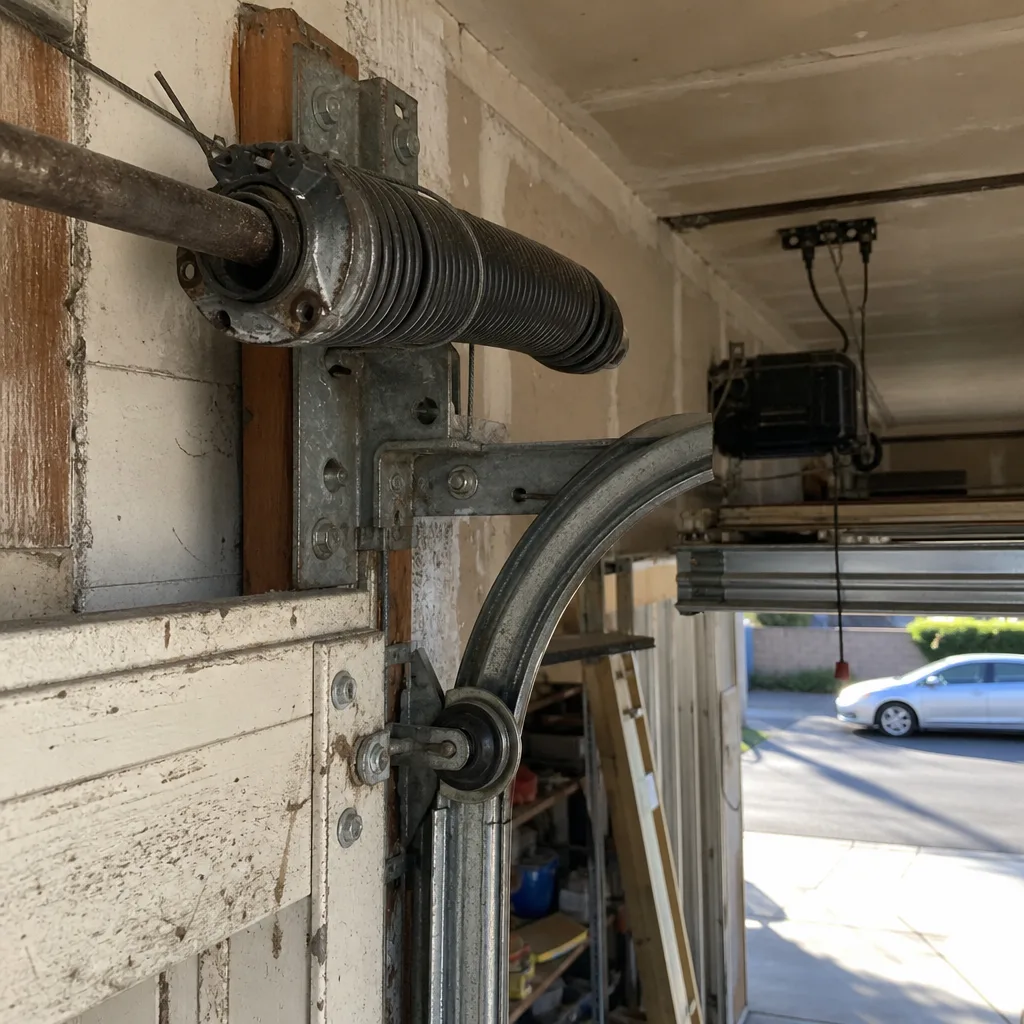 Before
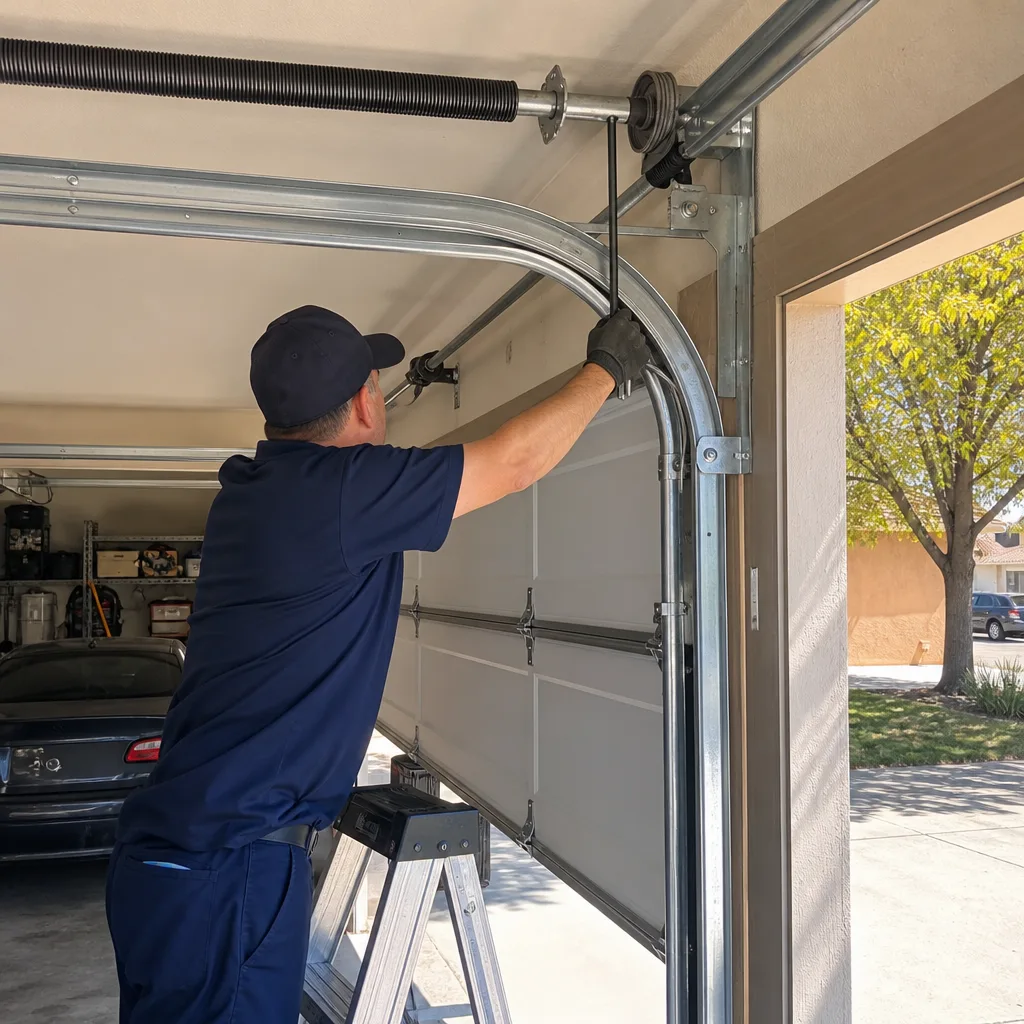 After
After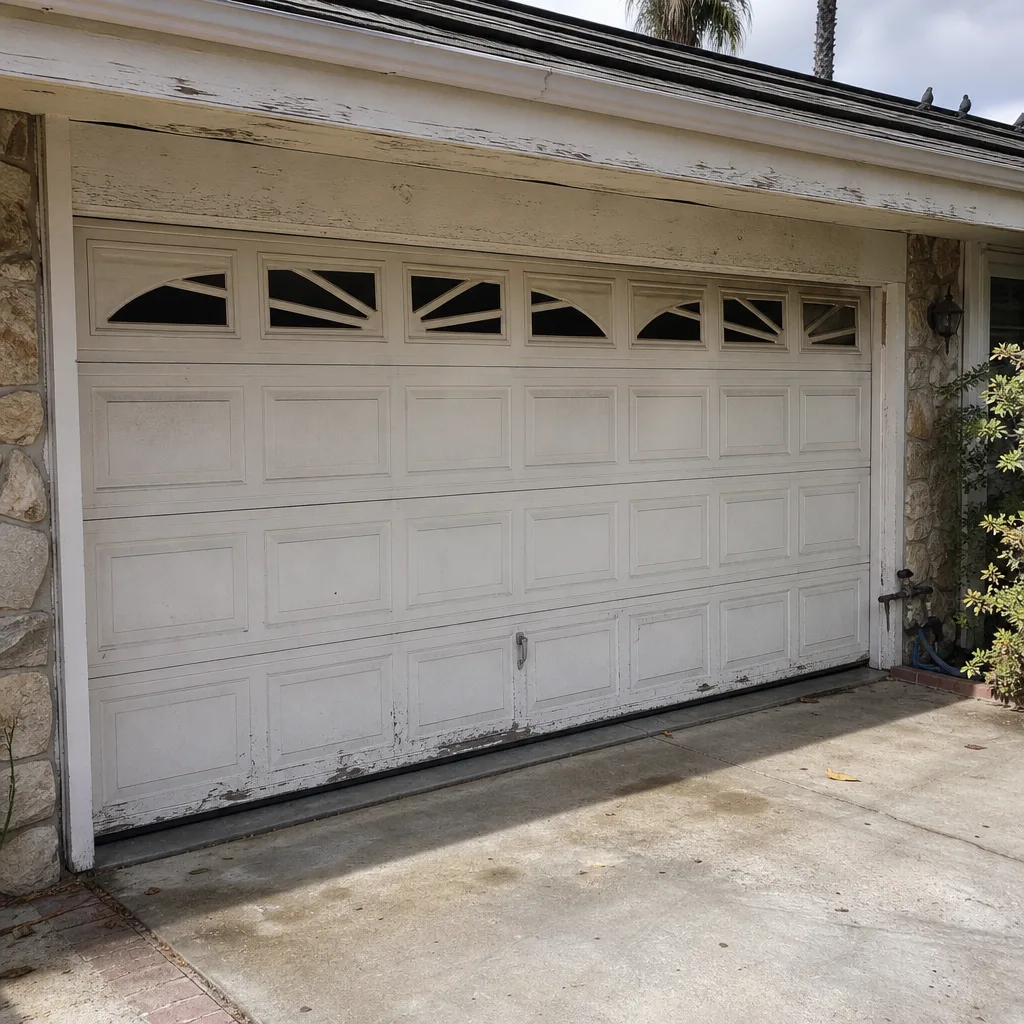 Before
 After
After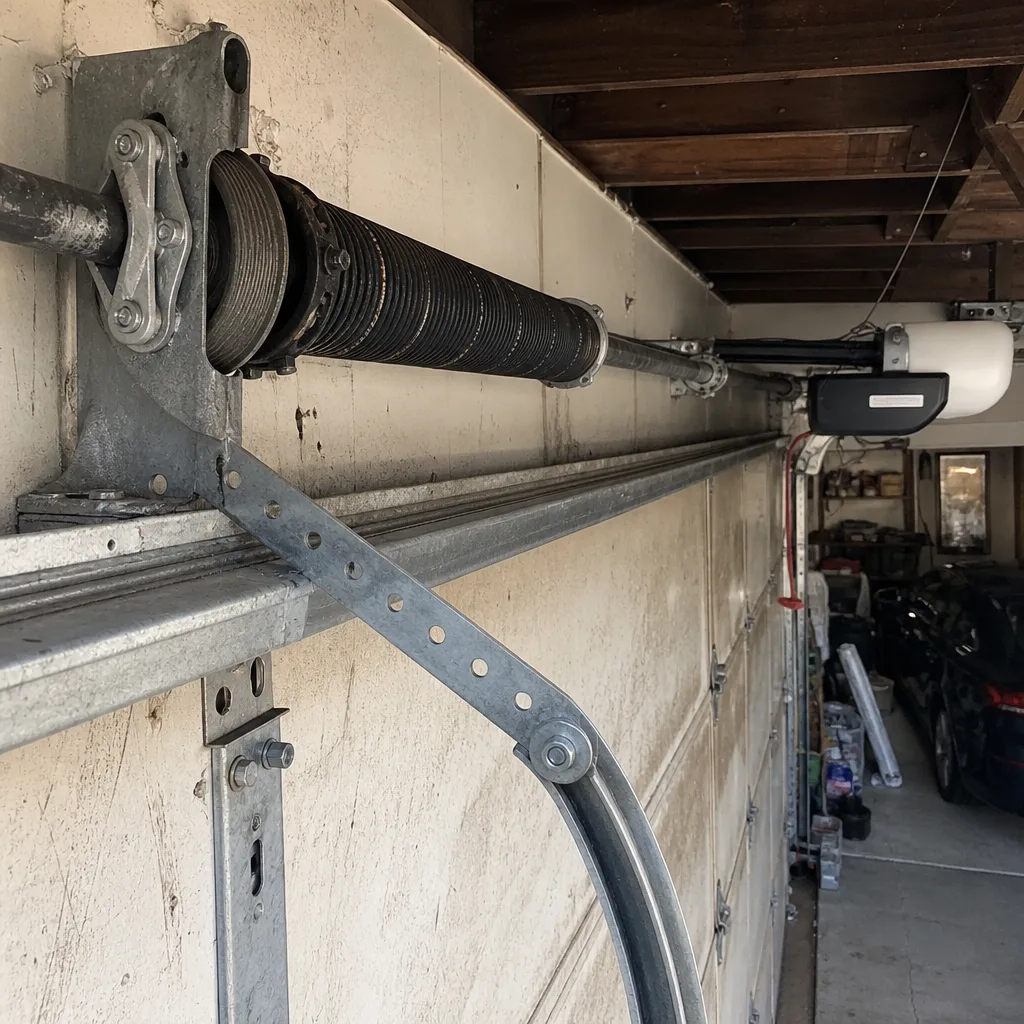 Before
 After
AfterWhen to Call a Professional
Call a professional if any fail criteria appear on your spring, cable, or track inspections. Call if the door is out of balance, if a spring has snapped, if a cable has broken, or if your opener fails either UL 325 safety test. Call if your door is making a noise you can’t identify and the checklist has ruled out hinges and rollers. And call if you’ve never had your spring system inspected and the door is over 10 years old. These are not situations where watching and waiting is safe. Marlow Garage Door Repair Woodland Hills offers free estimates in Woodland Hills, and every tech arrives with the parts needed for the most common failures, so the job is usually done in a single visit. Call (341) 888-6519 for a written price before any work starts.
Frequently Asked Questions
Twice a year: once in May, before the summer heat pattern begins, and once in November, after Santa Ana wind season winds down. The May checklist catches winter moisture damage; the November checklist clears accumulated dust and checks for dry-season wear. If you live within a mile of the 101 corridor, a third lubrication in September is reasonable. Call (341) 888-6519 if your checklist turns up anything that needs a professional look.
Torsion spring failure is the most common repair we perform in Woodland Hills, and it’s concentrated in June through August, when the heat load on aging springs peaks. The springs are rated for about 10,000 cycles, which works out to 8 to 12 years for most Woodland Hills households. A spring that fails while the door is open can drop the door with no warning, which is why spring inspection is the first item on the checklist. We’ve detailed replacement costs and what to expect on our Garage Door Spring Repair in Woodland Hills page.
No. Torsion springs are under enough tension to cause severe injury or death if they release while being handled. The tools and winding procedures are specialized, and the cost of a professional replacement is a fraction of what a hospital visit costs. This is the one component where the DIY calculus never works. Call (341) 888-6519 for a written quote before any work begins.
A homeowner checklist costs almost nothing: a can of white lithium grease runs about $8, and the rest is your time. If your inspection turns up a failed component, the cost depends on what failed. Roller replacement typically runs $110 to $190, hinge replacement $90 to $160, and a spring replacement $180 to $340 per spring. A full tune-up, which includes cleaning, lubrication, balance testing, and safety testing, typically runs $89 to $149 in Woodland Hills. The price is quoted and agreed before any work starts.
Yes, once every two to three years, even if your own checklist passes every item. A professional eye catches things a homeowner checklist can’t: spring cycle count, bearing wear inside the opener, and subtle balance issues that haven’t produced symptoms yet. The cost is low compared to an emergency repair. We service all major brands, including Clopay, Amarr, and Wayne Dalton doors.
Yes. A maintenance record shows the buyer that the door was cared for, which is a small but real selling point in the Woodland Hills market, where buyers are already looking at the age of the roof and the HVAC system. It also protects you if a component fails and a warranty claim is contested. The five-minute log is the cheapest insurance policy you’ll ever keep.
The Bottom Line
The garage door is the largest moving object in your Woodland Hills home, and it’s one of the few mechanical systems you use every single day. It deserves better than a generic checklist that tells you to spray the springs and hope for the best. Run the pass/fail inspections in May and November, use the right lubricant on the right parts, test the safety systems twice a year, and log everything. When something fails, don’t guess. We’ve covered the full range of common repairs on our Garage Door Repair in Woodland Hills page, and our Garage Door Cable Repair in Woodland Hills guide explains cable replacement in detail. A garage door that’s maintained on schedule runs quieter, lasts longer, and won’t surprise you with a four-figure repair. For homeowners who’d rather we handle it, Marlow Garage Door Repair Woodland Hills offers free estimates and written pricing before any work begins. Call (341) 888-6519.
Written by Jaylen Ross, Owner at Marlow Garage Door Repair Woodland Hills, serving Woodland Hills since 2002.