
Last updated October 16, 2026
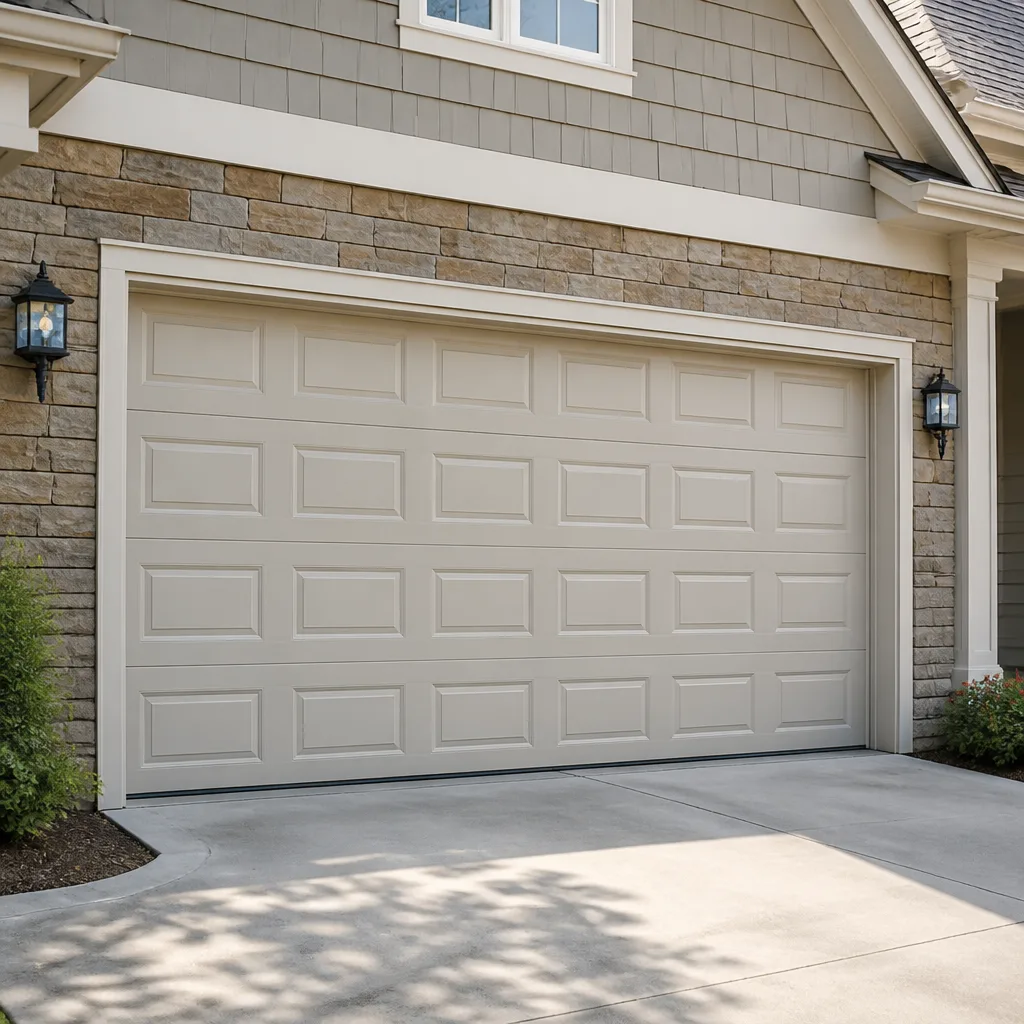 Raised-panel steel
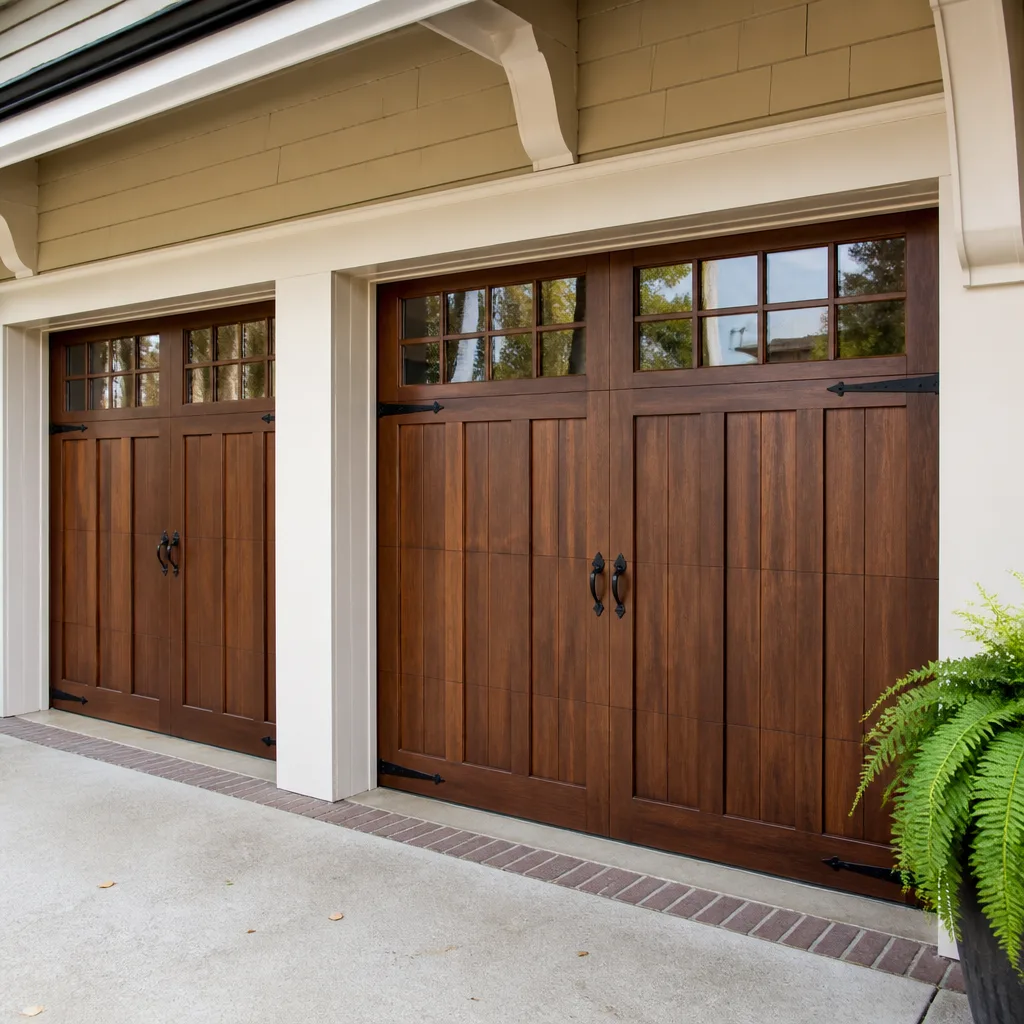 Carriage house
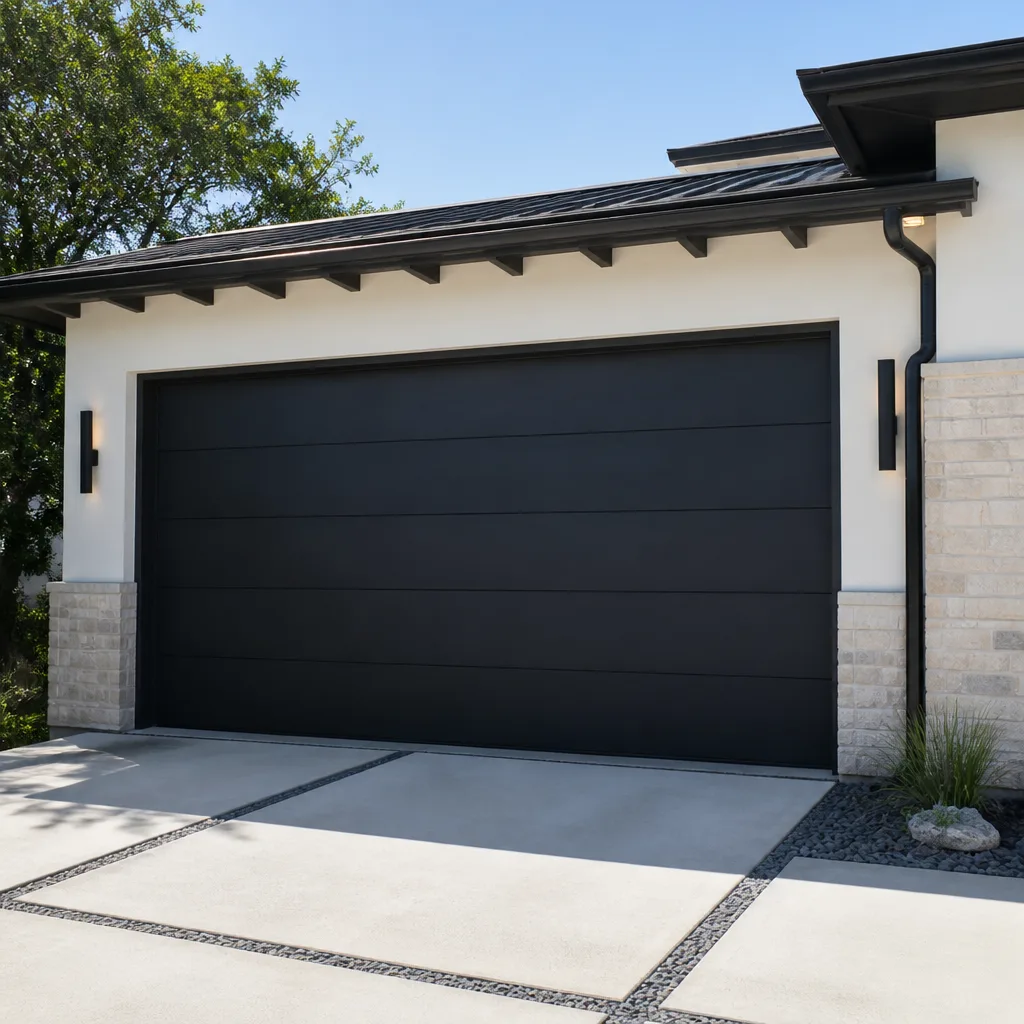 Modern flush
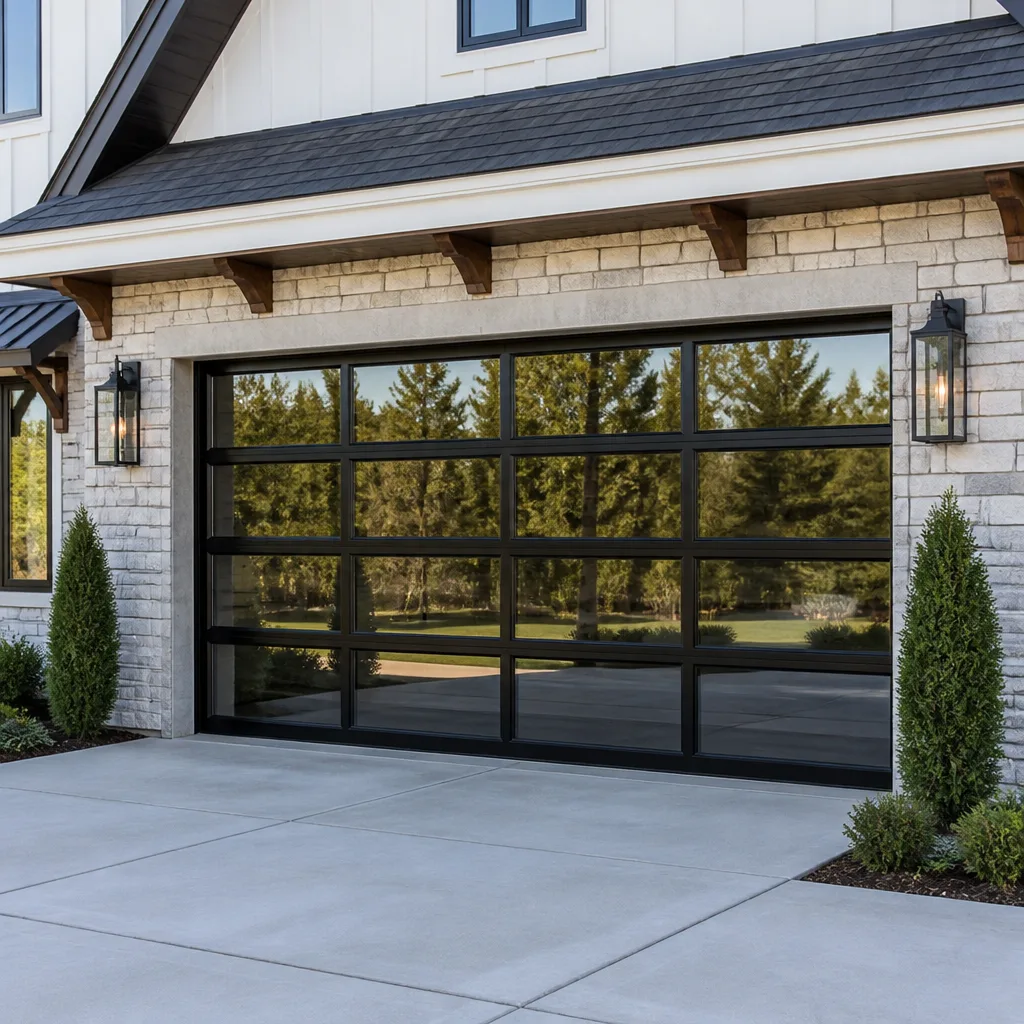 Full-view glass
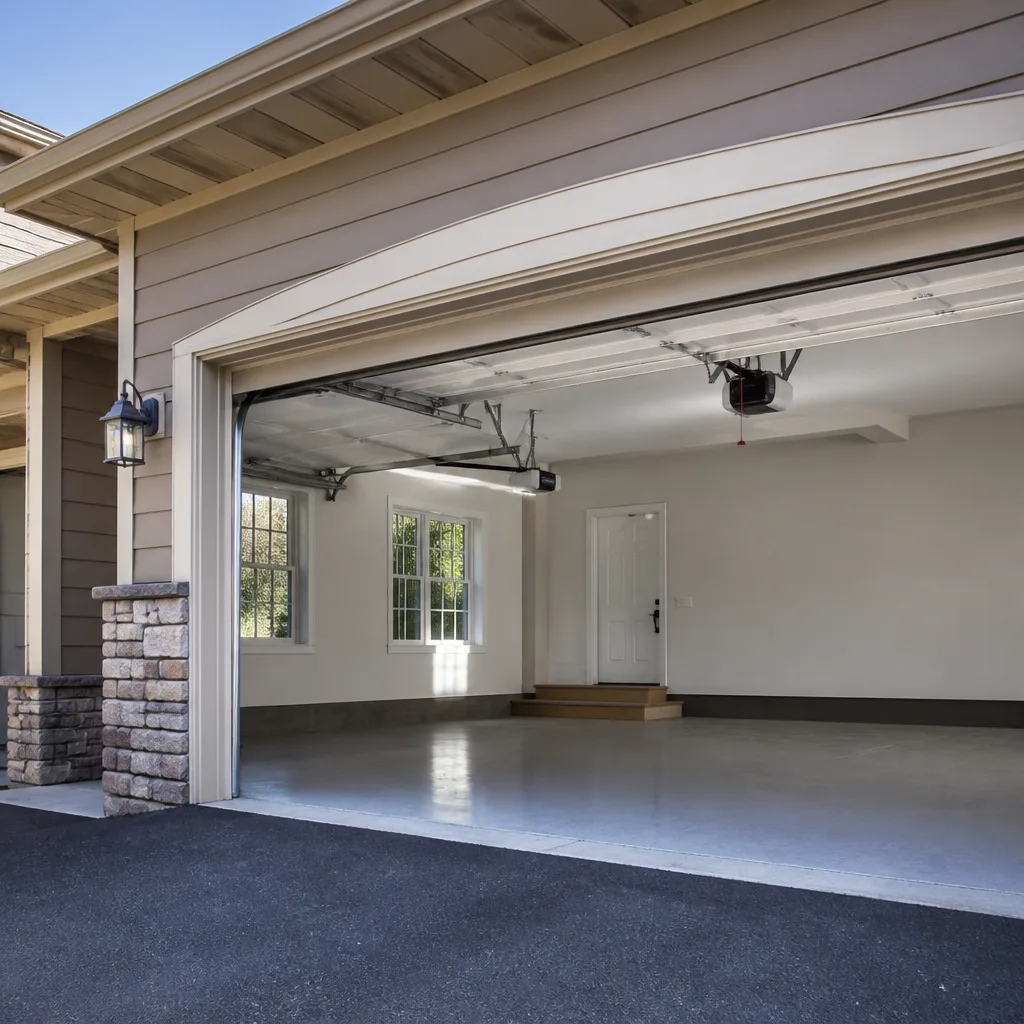 LiftMaster openers
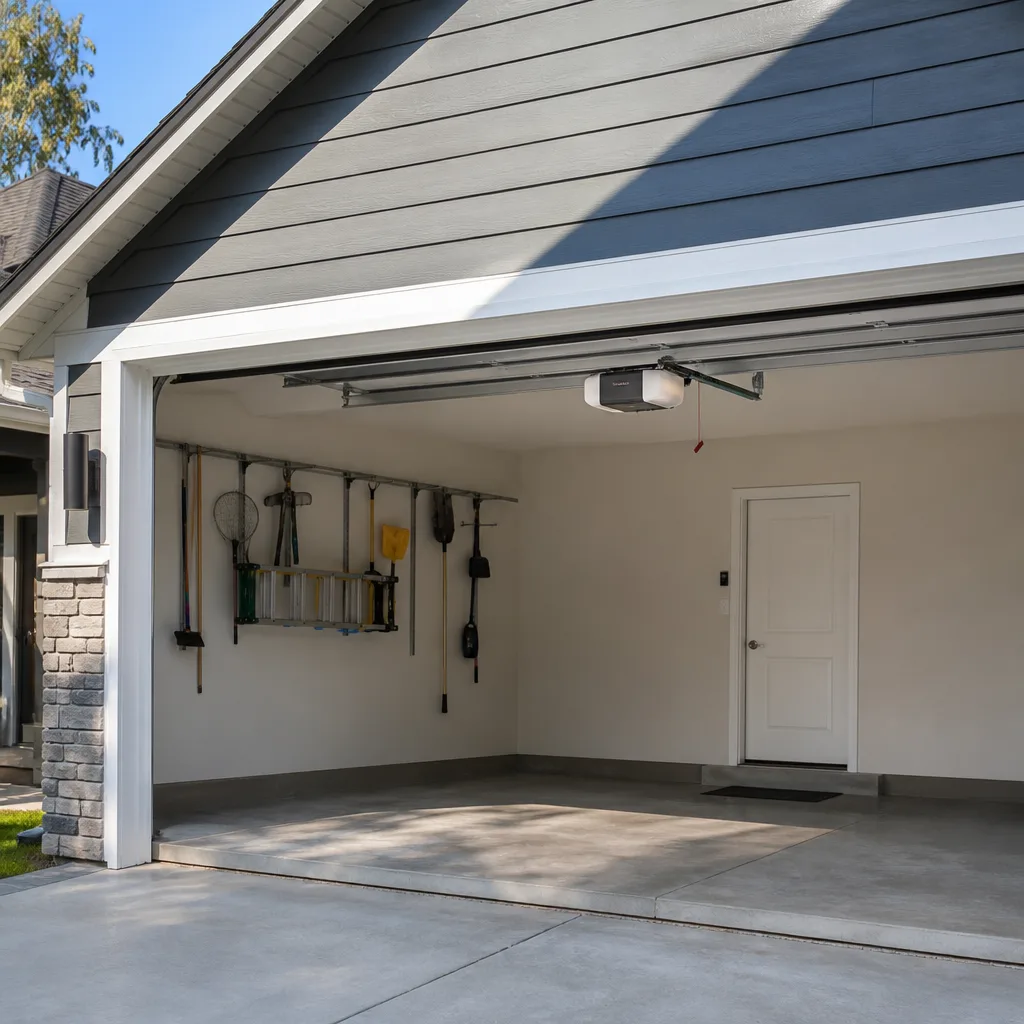 Chamberlain openers
Full 25-point door and opener safety check with every visit - springs, cables, rollers, tracks, and your LiftMaster or Chamberlain opener included
You get a price before we start. It does not change when the truck arrives.
Get your free estimateSeasonal Garage Door Care for Woodland Hills: Year-Round Homeowner’s Guide
When Woodland Hills hit 121°F in September 2021, torsion springs across the West Valley snapped at nearly triple the normal weekly rate. Thermal expansion at those temperatures pushes spring metal past its design cycle limit in days, not months. This guide explains how each of Woodland Hills’ four distinct micro-seasons stresses a different part of your garage door, what you can check safely from the ground, and when a trained technician should step in before a small issue becomes a 1 a.m. emergency. For a deeper dive, see The Complete Guide to Garage Door in Woodland Hills.
Quick Answer
Seasonal garage door care in Woodland Hills means four distinct routines: check spring tension and lubricate moving parts before the June heat spike, clear track debris after Santa Ana wind events, reseat or replace the bottom seal before winter rain gaps, and test the opener’s force settings every March. A homeowner can safely handle lubrication, visual inspection, and debris clearing, but spring tension adjustment and cable work belong to a trained professional with a torque wrench and the right training. Not sure which path to take? Read our DIY vs Professional Garage Door: The Woodland Hills Homeowner’s Decision Guide.
Styles & brands we work with
Table of Contents
- Heat Season (June – September): When Springs Snap
- Santa Ana Season (October – December): Wind Stress and Flying Debris
- Winter Rain Gaps (January – February): The Flat Driveway Flood Problem
- Spring Mild Stretch (March – May): The Maintenance Window
- Year-Round: Circuit Boards and Surge Protection in Woodland Hills
- Common Mistakes to Avoid
- When to Call a Professional
- Frequently Asked Questions
Heat Season (June – September): When Springs Snap
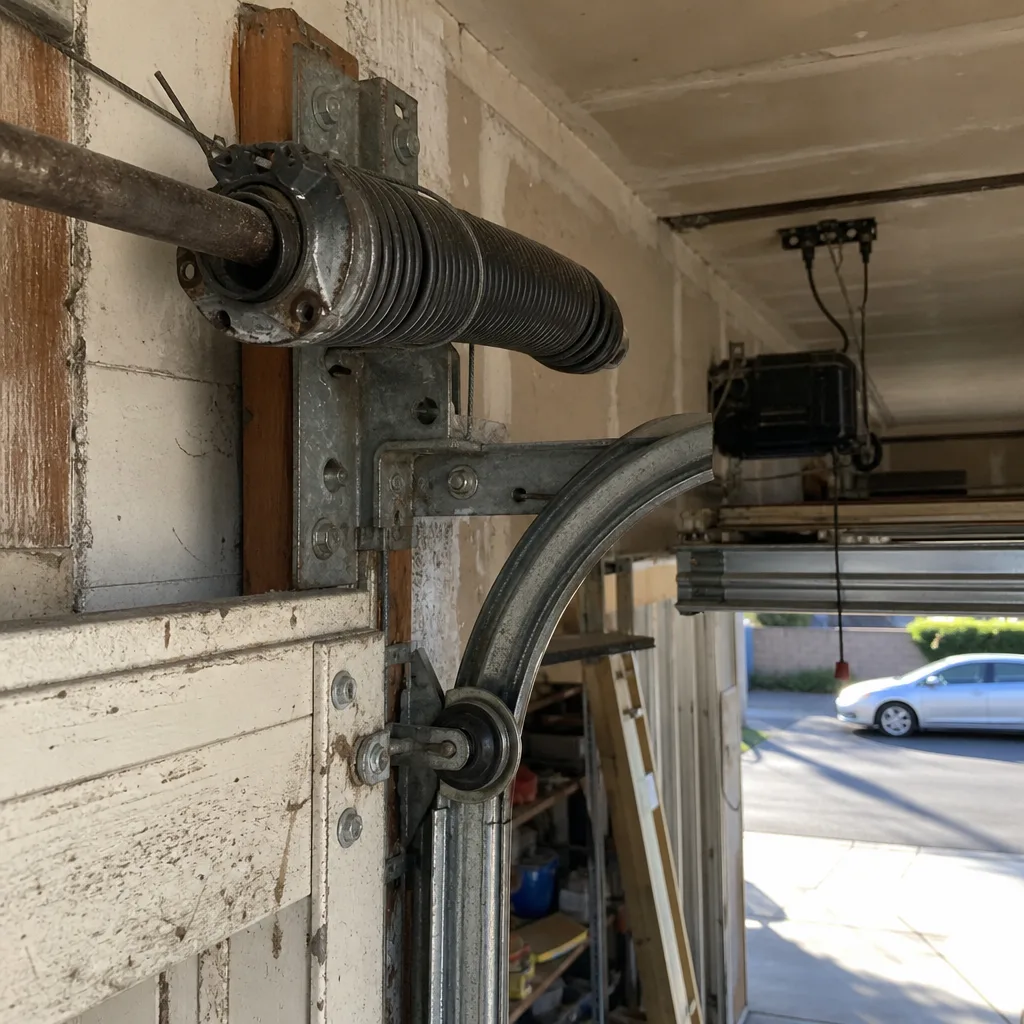
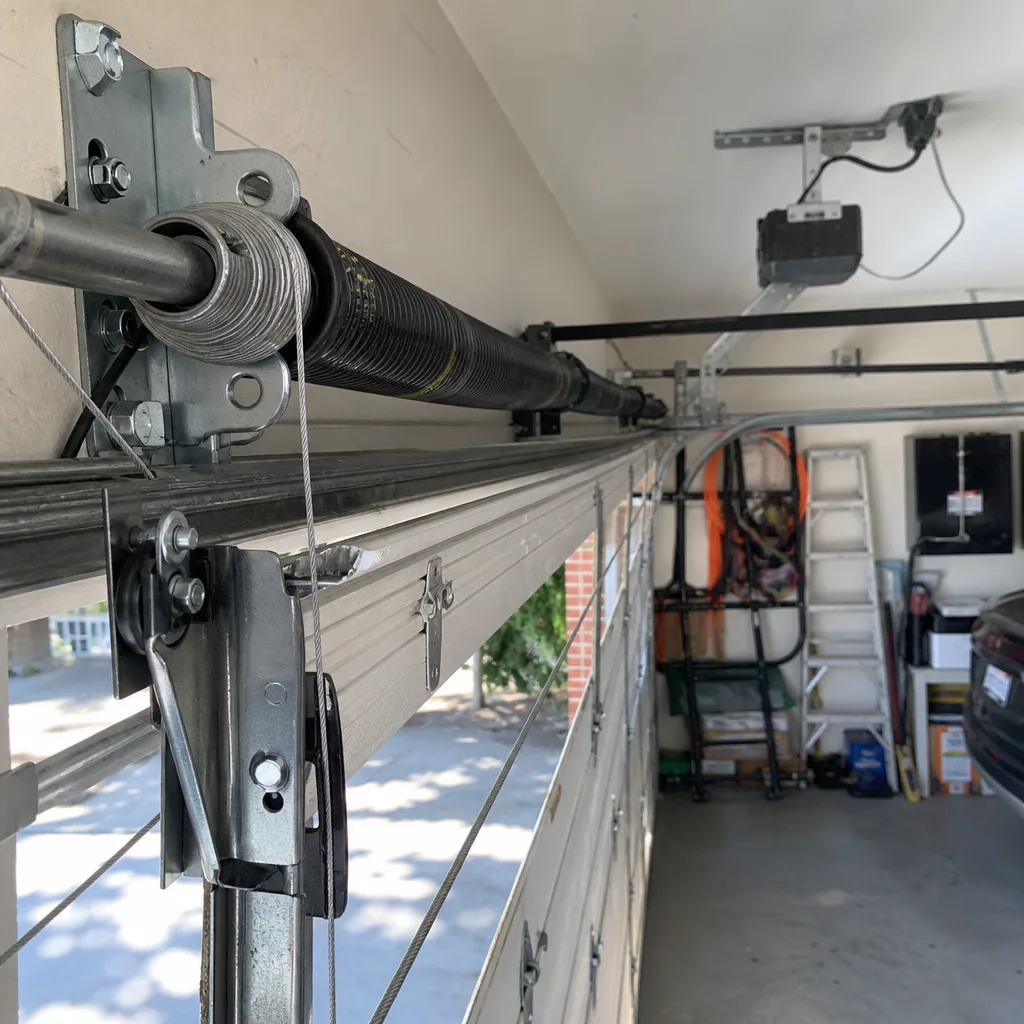
A torsion spring, the horizontal coil above your door that does most of the lifting, is rated for roughly 10,000 cycles. Each open-and-close counts as one cycle. But in Woodland Hills, where attached garages routinely reach 100°F by mid-morning from June through September, spring steel loses tensile strength faster than the same spring would in, say, Seattle. Heat accelerates metal fatigue. We’ve replaced springs in Woodland Hills homes that were installed only three years prior, while identical springs in cooler climates lasted six.
What does that mean for you? Three specific checks you can do without touching the spring:
- Look at the gap between coils. From inside the garage, with the door closed, look up at the torsion spring. If you see a visible gap where coils have separated, the spring has already failed. Do not attempt to open the door manually or with the opener. Call us at (341) 888-6519.
- Listen for a loud bang followed by a door that won’t open. That’s the spring snapping, and it’s unmistakable. When it fails, the door becomes dead weight, roughly 150 to 250 pounds depending on the model.
- Count the years. If your spring is over five years old and you’ve lived through three or more Woodland Hills heat seasons, it’s near the end of its service life. Spring replacement typically runs $150 – $290, depending on spring type, and you’ll see the exact number before we start, always in writing.
We specialize in garage door spring repair across Woodland Hills, and because we’re trained on Clopay, Amarr, Wayne Dalton, and Craftsman doors, the tech who arrives already knows the spring spec your door needs before the truck pulls up.
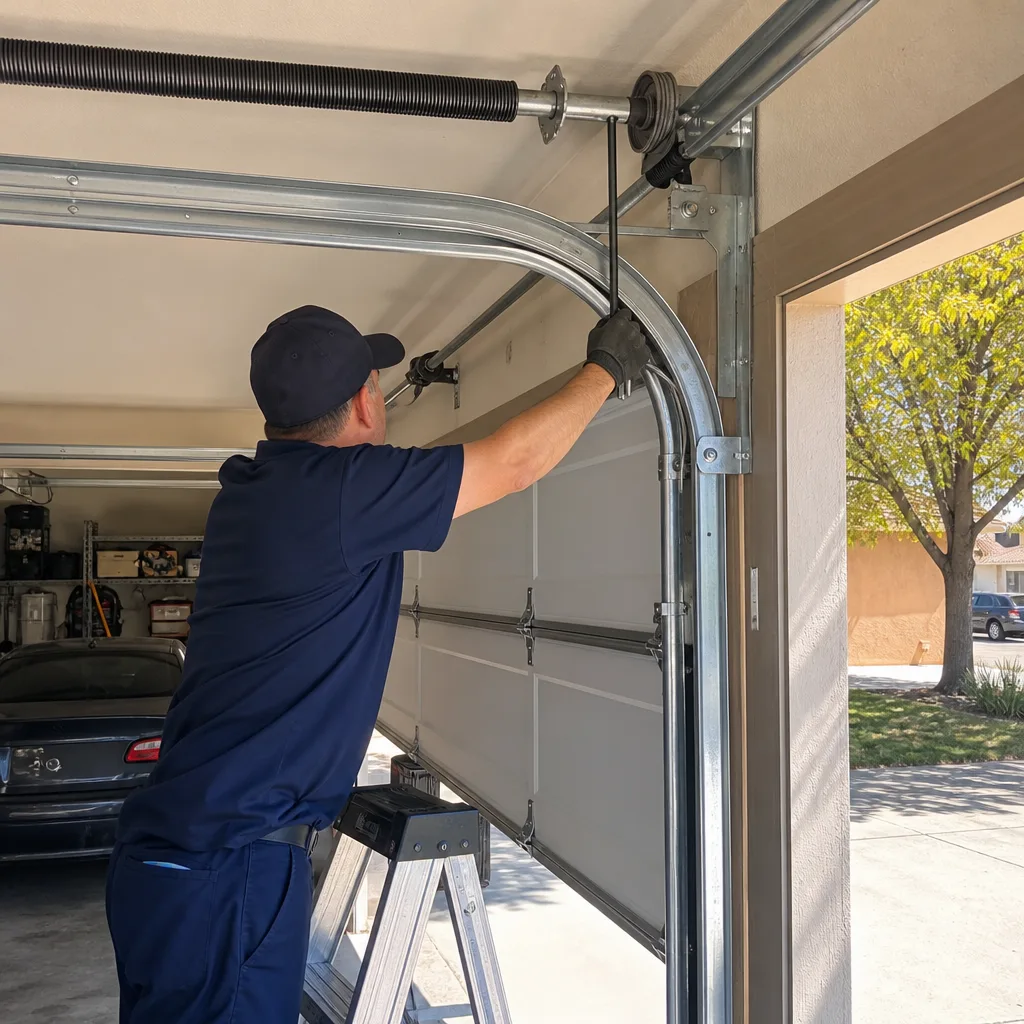
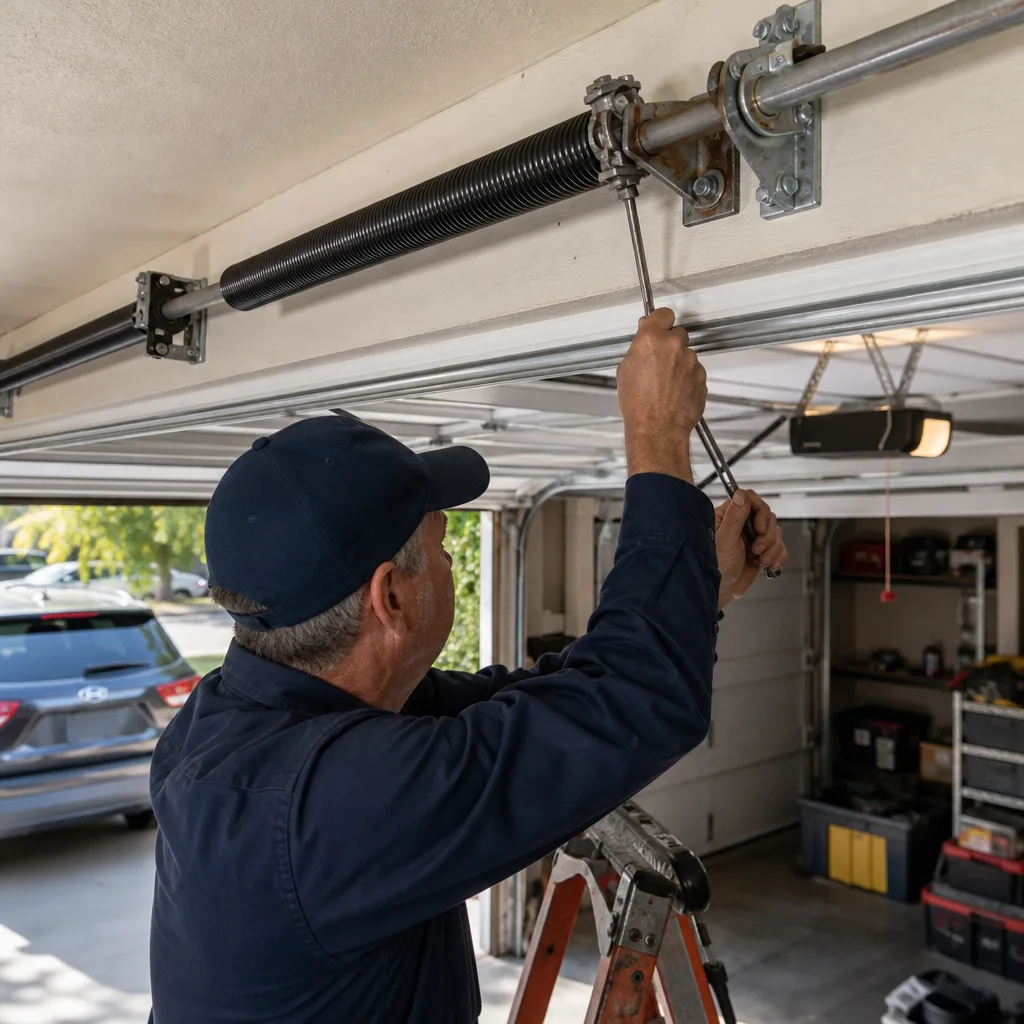
A note on the DIY impulse: torsion springs are under 700 to 1,000 pounds of torque when wound. A spring that lets go while you’re adjusting it can break bones or worse. This is the one component where “just watch a YouTube video” is genuinely dangerous advice. If the spring is broken, leave the door alone and call a professional who carries the right winding bars and has the training to use them. For more guides & resources on staying safe, visit our blog.
Santa Ana Season (October – December): Wind Stress and Flying Debris
Santa Ana winds in Woodland Hills regularly gust past 60 mph through the canyons off Topanga and along Mulholland. Your garage door is the largest moving object on your house, and when a 60 mph gust hits it square, the pressure flexes the door panels, stresses the hinges, and jams fine dust and leaf debris into the tracks. Over one season, that’s hundreds of micro-impacts, and the result is a door that starts rattling, binding, or scraping.
Here’s what we tell homeowners in Woodland Hills to do after every major wind event:
- Clear the bottom track pockets. Both vertical tracks have a curved bottom section where dirt collects. Open the door halfway and use a shop vac or a damp rag to remove debris from the bottom six inches of each track.
- Inspect the hinges. Look at the two or three hinges on each panel. If a hinge pin has walked out, the panel sags and rubs. You can tap a pin back in with a hammer, but if the hinge itself is cracked, that’s a replacement job.
- Check the bottom seal. Santa Ana winds drive dust and small gravel under the door. Pull the door down and look for daylight under the corners. If you see gaps, the seal is worn, and the next rain gap will let water in.
If you’re unsure whether the noise you hear is just wind or something worse, our techs can see the issue on-site in minutes. It costs less to fix a hinge than to replace a track section that got bent because a hinge let go.
Winter Rain Gaps (January – February): The Flat Driveway Flood Problem
Woodland Hills gets most of its rain in a short six-to-eight-week window between January and February. Homes in the flat neighborhoods south of Ventura Boulevard, especially around the Warner Center area, are the ones we see with water running under the garage door. Why? Flat driveways pool water right at the door face, and there’s no slope to carry it away. The water sits there and eventually finds a seam.
The fix is usually not a new door. It’s the right bottom seal profile. Most builders install a basic T-shaped vinyl seal, and after three to four Woodland Hills summers, that vinyl hardens from heat exposure, shrinks at the corners, and loses contact with the concrete. The water isn’t finding a “gap” as much as it’s flowing under a seal that’s warped.
What you can check right now:
- Close the door and step inside. Look for daylight along the bottom edge. Any sliver of light is a water path.
- Press the seal with your thumb. If it feels stiff or brittle instead of pliable, it’s heat-hardened.
- Look at the corners. Most seals pull away from the door ends first, creating a half-inch channel on each side.
We replace bottom seals in Woodland Hills regularly, and the job is usually under an hour. For heavier flood-prone garages, we can install a double-lipped seal or a threshold plate, which is a raised rubber strip that diverts water before it reaches the door.
Spring Mild Stretch (March – May): The Maintenance Window
Between February’s last rain and June’s first 95-degree day, Woodland Hills gets a stretch of 70-degree mornings and 80-degree afternoons. That’s the sweet spot for any maintenance you don’t want to do in the heat. Metal expands less, lubricants settle better, and you’re not sweating through your shirt in an attached garage at 11 a.m.
Three things to do every March:
- Lubricate the rollers, hinges, and springs. Use a silicone-based spray, not WD-40, which cleans but doesn’t lubricate long-term. Spray the roller ball bearings, the hinge pivot points, and the torsion spring coils. Wipe away excess. If your door has nylon rollers, skip the rollers and just do hinges and springs.
- Test the balance. Pull the red emergency release cord and lift the door by hand to waist height. A balanced door stays put. If it drops or flies up on its own, the spring tension is off, and that’s a call to us, not a DIY adjustment. A door that’s out of balance burns out the opener motor faster.
- Recalibrate the opener’s force setting. Every opener, from LiftMaster to Chamberlain to Genie, has a force adjustment dial or digital setting. Hold the bottom of the door while it closes. It should reverse immediately with light pressure. If it keeps pushing, the force is too high, which is a safety issue, and you can find the adjustment instructions for your model online, or have us handle it during a tune-up.
We recommend booking a full tune-up in March or April, before the heat season rush. The tech checks balance, lubricates everything, tightens loose bolts, and tests the safety reverse sensor. It’s faster and cheaper than an emergency repair in July.
Year-Round: Circuit Boards and Surge Protection in Woodland Hills
One thing standard seasonal guides miss entirely: garage door opener circuit boards fail faster in Woodland Hills than in most of the country, and it has everything to do with where we live. Most Woodland Hills homes have attached garages that are not climate-controlled. That means the opener’s circuit board experiences daily temperature swings from 50°F at night to over 100°F by afternoon in summer. Solder joints expand and contract. Capacitors dry out. Eventually, the board fails, and the opener just stops responding or behaves erratically.
We see it all the time: a homeowner replaces a perfectly good motor because the board died, when a board replacement would have cost a third of the price. In our experience, the openers with hard-wired surge protectors last longer because we get high transient voltage on the power lines during Santa Ana wind events, and a surge at the wrong moment fries the board instantly.
What actually helps:
- Install a dedicated surge protector on the opener’s outlet. A $20 to $50 plugin surge protector absorbs the spike before it reaches the board. This is a five-minute job.
- Keep the garage door closed when it’s 100°F outside. An open garage door turns your garage into an oven, and your opener sits at the top of that heat column. The board is rated for 140°F, but sustained heat near that limit shortens its life.
- Wipe the safety sensor lenses once a month. The photo eyes at the bottom of the track collect dust, cobwebs, and pollen, which cause intermittent reversal issues. A dry paper towel is all you need.
- Ignoring a door that’s gotten louder. A Woodland Hills garage door that suddenly sounds like a jet engine during June is almost always a spring losing tension or a roller bearing seizing. Waiting until it fails outright turns a $200 repair into a $500 emergency call.
- Lubricating with WD-40. It’s a solvent, not a lubricant. It strips the existing grease and leaves metal-on-metal contact. Use silicone spray or white lithium grease on the right parts only.
- Trying to adjust torsion spring tension with improvised tools. Two screwdrivers stuck into a winding cone is not “basically the same tool.” Springs are under enough torque to shatter bone. We can’t say this enough.
- Replacing the whole door because the opener broke. An opener motor can sometimes be saved with a $30 capacitor or a control board swap. We diagnose the failure before recommending replacement, and the written price tells you exactly what each option costs.
- Ignoring a bent track because the door “still opens.” A door that runs off a bent track eventually hangs up, and the opener’s force setting will fight it. That’s how cables snap. Straightening a track early is a minor job; leaving it turns into a cable replacement, which is more involved.
- Thinking a four-hour repair window is normal. It isn’t. The Relay Visibility Guarantee means you see a live arrival time on your phone and watch your tech drive to you. You don’t wait in a block. You know, to the minute, when someone will be in your driveway.
If your opener is more than ten years old, consider replacement before it dies at an inconvenient moment. Newer openers from Chamberlain and LiftMaster come with battery backup, Wi-Fi monitoring, and better surge tolerance. Get more details on our Garage Door Repair in Woodland Hills page.
Common Mistakes to Avoid
When to Call a Professional
If your door has a broken spring, a snapped cable, a bent track, or an opener that won’t respond, stop troubleshooting and call. These are not homeowner-safe repairs, and attempting them can cause serious injury. If the door won’t open at all and your car is trapped inside, that’s an emergency, and we answer the phone 24/7 with a live person, no voicemail queue, no callback later.
Marlow Garage Door Repair Woodland Hills offers free estimates throughout Woodland Hills. Call (341) 888-6519 and you’ll get a written price before any work begins, every time, on every job. That’s the standard, not an exception.
Frequently Asked Questions
A seasonal tune-up in Woodland Hills typically runs $89 – $149, depending on the number of doors and what’s included. See our Garage Door Cost Breakdown: The Woodland Hills Homeowner’s Reference for 2026 for fuller pricing context. You get the exact price in writing before any work starts. Call (341) 888-6519 for a free quote.
Twice a year: once in March before heat season and once in October before Santa Ana season. The dry heat and wind-driven dust in Woodland Hills strip lubrication faster than humid coastal areas.
September is peak heat in Woodland Hills, and sustained 100°F+ temperatures inside attached garages accelerate spring metal fatigue. Springs rated for 10,000 cycles can fail in half that count when exposed to years of extreme heat.
Yes. We carry common spring sizes and replacement parts on the truck, and our techs are trained on eight major brands, including LiftMaster, Chamberlain, Genie, Clopay, Amarr, Wayne Dalton, Craftsman, and Raynor. Call (341) 888-6519 and a live person will schedule you.
No. The written price you agree to before work starts is the price you pay when the job is done. That’s the Relay Standard, and we don’t waver from it.
We’re trained on eight leading brands: LiftMaster, Chamberlain, Genie, Clopay, Amarr, Wayne Dalton, Craftsman, and Raynor. If your door is a less common brand, we’ll still take a look and give you an honest assessment with a written quote.
The Bottom Line
Woodland Hills doesn’t have four traditional seasons, and your garage door doesn’t either. Heat season kills springs. Santa Ana season stresses tracks and seals. The winter rain gap floods flat driveways. The spring mild stretch is your maintenance window for everything you won’t want to do in July. Pay attention to what each season demands, fix small issues before they become emergency repairs, and if you’re ever unsure about a spring, cable, or track, call a trained professional. The service call costs less than a hospital visit, and the fix is usually faster than you’d expect. For free estimates in Woodland Hills, call Marlow Garage Door Spring Repair in Woodland Hills at (341) 888-6519.
Written by Jaylen Ross, Owner at Marlow Garage Door Repair Woodland Hills, serving Woodland Hills since 2002.
See the difference
 Before
 After
After Before
 After
After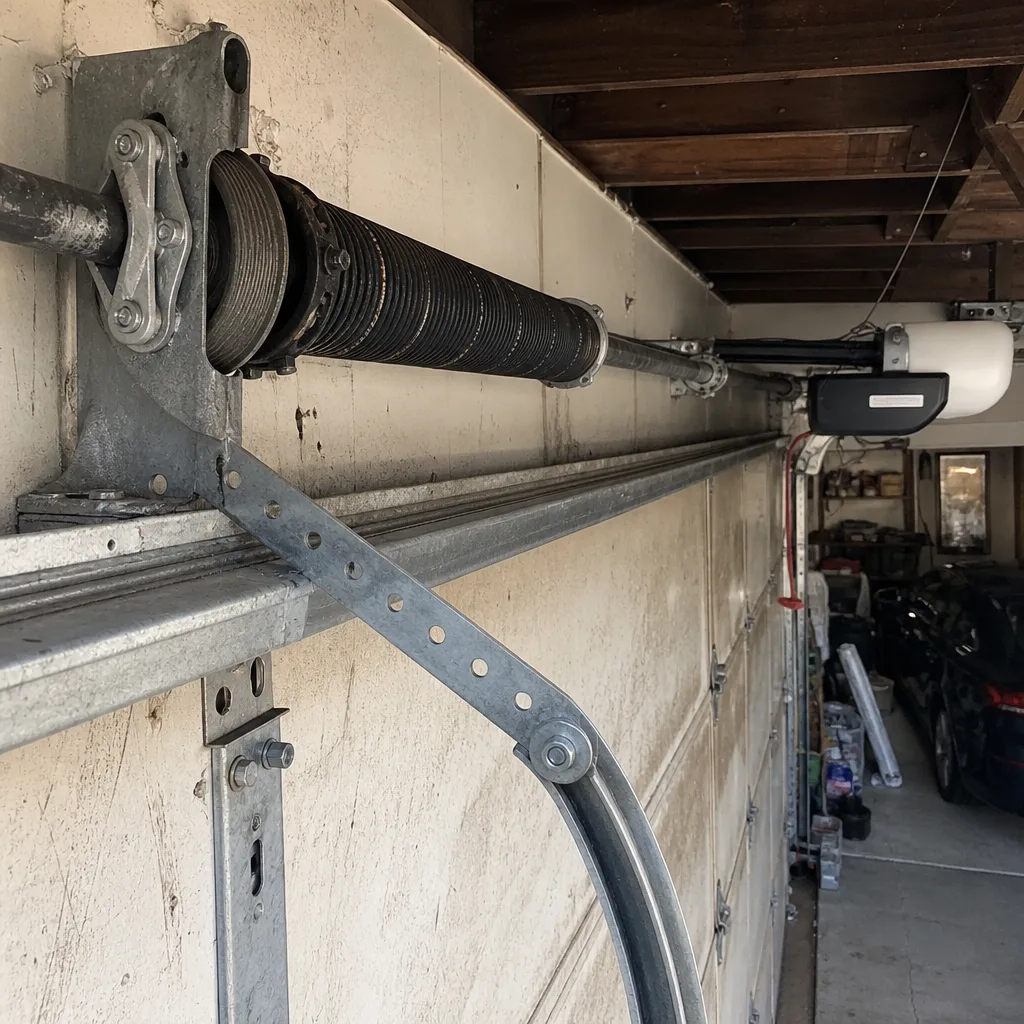 Before
 After
After