
Last updated October 16, 2026
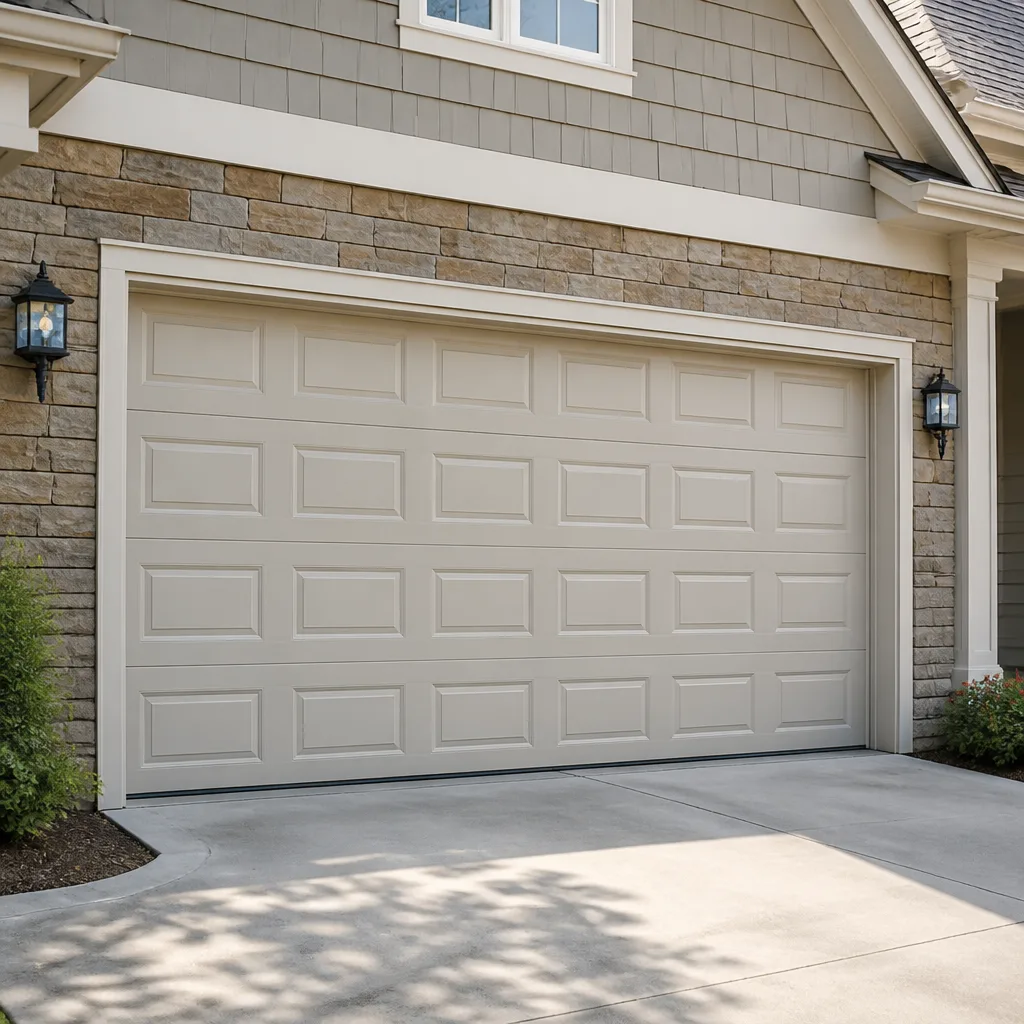 Raised-panel steel
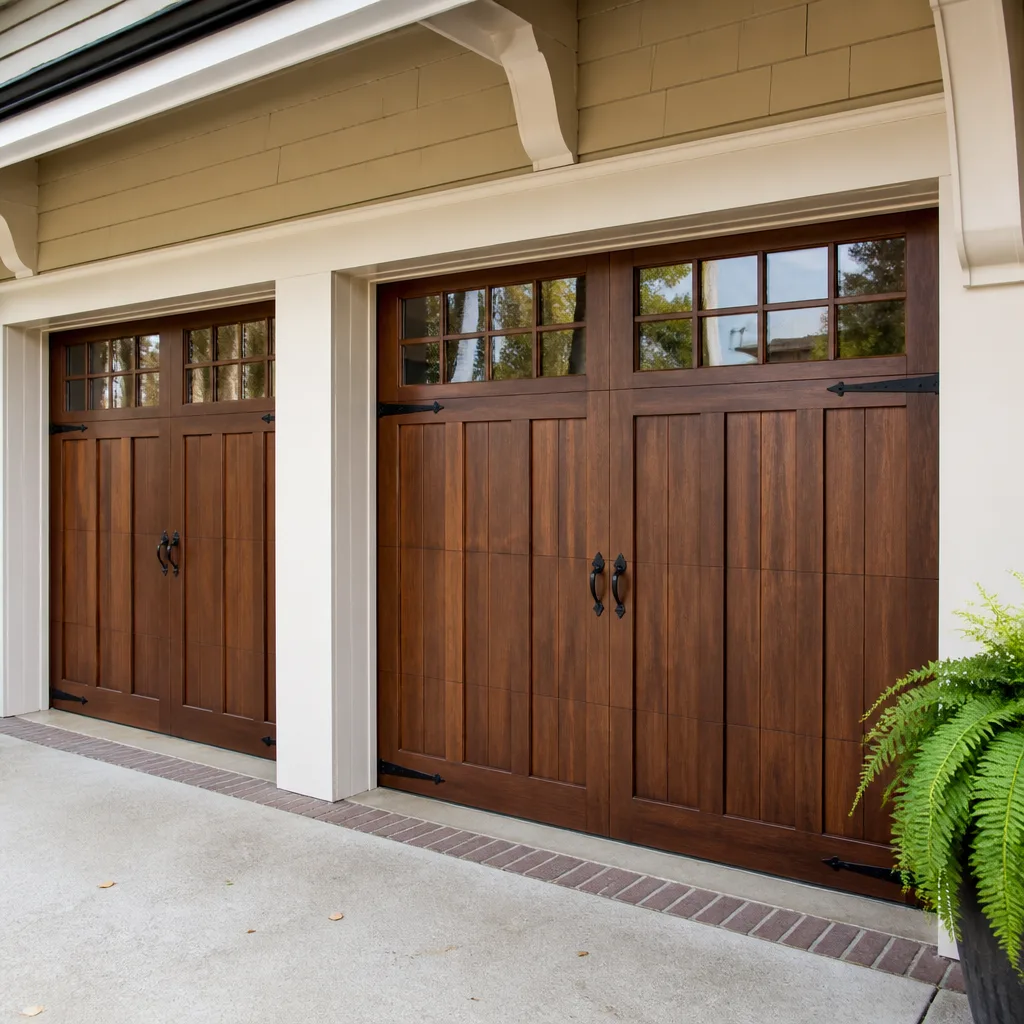 Carriage house
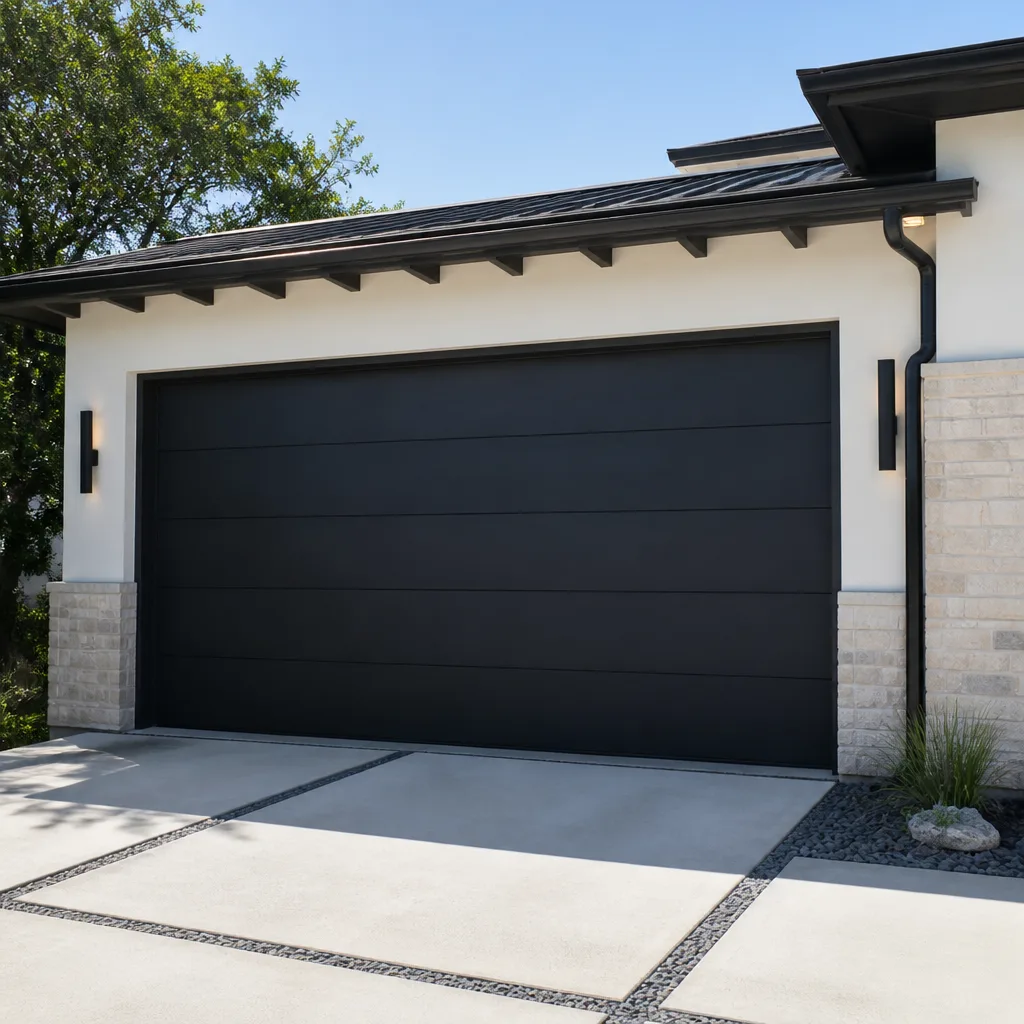 Modern flush
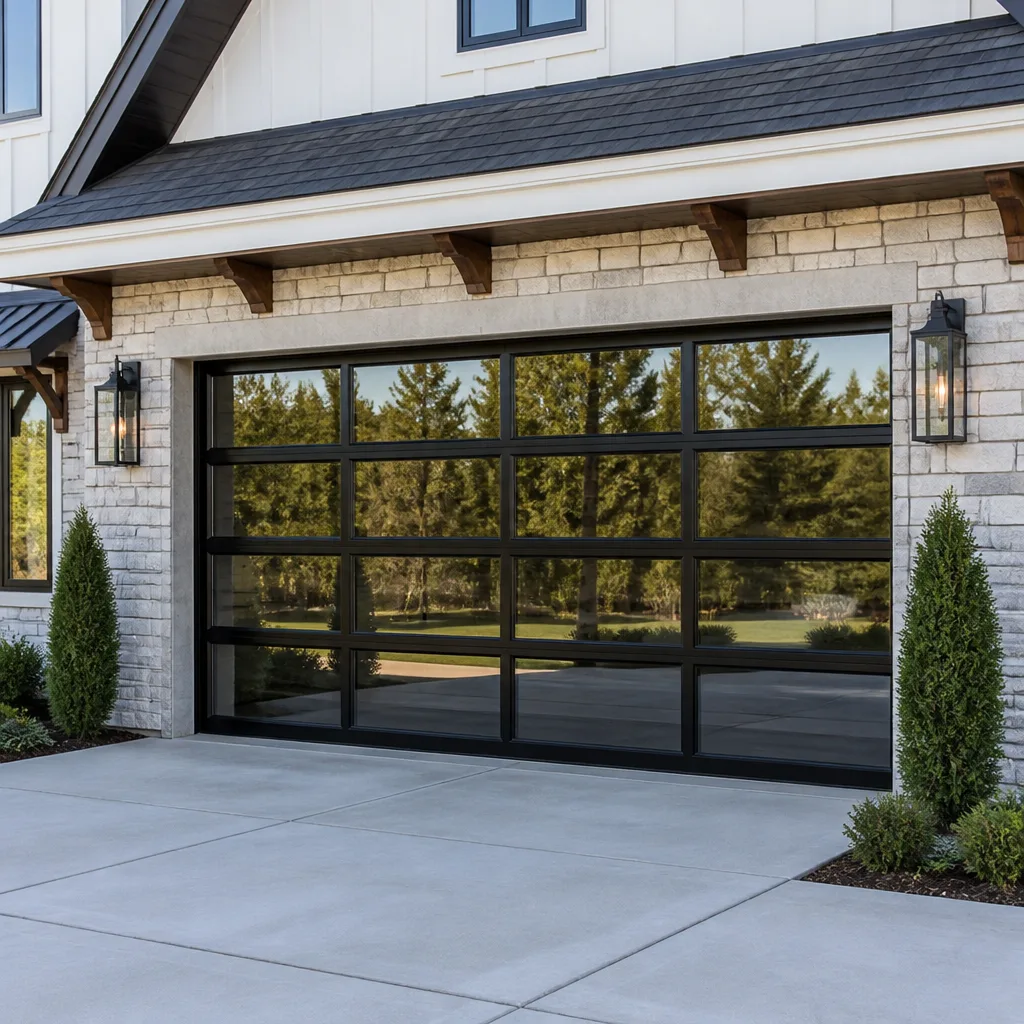 Full-view glass
 LiftMaster openers
 Chamberlain openers
Full 25-point door and opener safety check with every visit - springs, cables, rollers, tracks, and your LiftMaster or Chamberlain opener included
You get a price before we start. It does not change when the truck arrives.
Get your free estimateDIY vs Professional Garage Door: The Woodland Hills Homeowner’s Decision Guide
Here’s a number most Woodland Hills homeowners have never heard: a standard torsion spring stores roughly 100 foot-pounds of torque when fully wound. That’s the equivalent of a car door slamming on your hand, repeatedly, in under a second. The Consumer Product Safety Commission logs an average of 20,000 garage door injuries annually across the country, and the majority happen during DIY repair attempts. This guide cuts through the YouTube bravado and gives you a straight answer: which garage door tasks you can safely handle yourself in Woodland Hills, which ones you should never touch, and what the real cost difference looks like when you factor in tools, time, and what happens when a DIY job goes sideways. For a deeper dive into pricing, see our Garage Door Cost Breakdown: The Woodland Hills Homeowner’s Reference for 2026. We’ll also cover the insurance angle most guides skip entirely.
Styles & brands we work with
Quick Answer
Most garage door maintenance tasks in Woodland Hills are safe for a careful DIYer with basic tools: weatherstripping replacement, keypad reprogramming, lubrication, and even roller swaps when the door is fully open with spring tension released. But torsion spring replacement, cable work under tension, and track realignment on double-car doors fall firmly in the professional-only category because they involve stored mechanical energy that can cause catastrophic injury or death. For the dangerous work, a professional repair in Woodland Hills typically costs $150 to $340 for spring replacement, and the peace of mind comes with a written guarantee.
Table of Contents
- The Injury Math: Why This Debate Is About Risk, Not Money
- The Hard Never-DIY List: 3 Tasks With the Physics to Back Them Up
- The Safe DIY List: 5 Tasks You Can Do This Weekend
- The True Cost Comparison: DIY vs Professional, Line by Line
- The California Insurance Angle: What Happens When DIY Fails
- The Middle-Ground Option Most Guides Ignore
- Woodland Hills-Specific Factors That Change the Math
- Common Mistakes to Avoid
- When to Call a Professional
- Frequently Asked Questions
- The Bottom Line
The Injury Math: Why This Debate Is About Risk, Not Money
Every DIY vs professional conversation eventually lands on cost. That’s understandable. A garage door spring replacement in Woodland Hills runs $150 to $290 for the part and labor combined, while a DIY spring kit from a big-box store might cost $40 to $80. On paper, you save $100 or more. But the paper math ignores what torsion springs actually are: tightly wound coils of hardened steel holding enough energy to throw a 150-pound door upward in under a second. When that energy releases unexpectedly, it doesn’t dissipate gently. It transfers into whatever’s in the way, which is usually your hands, face, or torso.
We’ve been repairing garage doors in Woodland Hills since 2002. In that time, we’ve seen what happens when a homeowner decides to save $120 by winding a spring themselves. The medical bills from a hand injury or facial laceration start around $5,000 and climb fast from there. Loss of work days, physical therapy, permanent grip-strength loss. The financial case for DIY spring work falls apart the moment you include anything beyond the price of the part.
The injury math also works the other direction. Weatherstripping, lubrication, keypad programming: these tasks carry near-zero risk. A tube of lithium grease costs $8. A new bottom seal costs $25 to $40. If a homeowner in Woodland Hills handles these themselves, they save real money with no meaningful exposure. The goal of this guide is to draw that line clearly, with specific tasks on each side of it.
The annual injury data matters more than one-off anecdotes
Those 20,000 annual injuries the CPSC tracks aren’t evenly distributed. The vast majority involve fingers caught in section joints, hands struck by failing springs, or falls from ladders during opener installation. The pattern is consistent: injuries spike during DIY attempts on components under tension or weight. The door sections themselves each weigh 25 to 40 pounds depending on the brand. A double-car door made by Wayne Dalton or Raynor can total 300 to 400 pounds. When a homeowner removes the wrong bolt on a door that size, gravity doesn’t negotiate.
Woodland Hills adds its own variable to the injury math. Our summer heat regularly pushes garage interiors past 110 degrees. That heat accelerates metal fatigue in older springs and cables. A spring that’s been baking in a Woodland Hills garage for 12 summers is more likely to fail suddenly than the same spring in a coastal microclimate. That’s not a reason to panic. It’s a reason to take the risk assessment seriously when you hear a loud bang from the garage.
The Hard Never-DIY List: 3 Tasks With the Physics to Back Them Up
These are not “maybe if you’re careful” tasks. These are tasks where a mistake can kill you or someone in your household. In our years serving Woodland Hills, homeowners occasionally tell us they wish someone had been honest with them earlier. Here’s the honesty.
1. Torsion spring winding and replacement
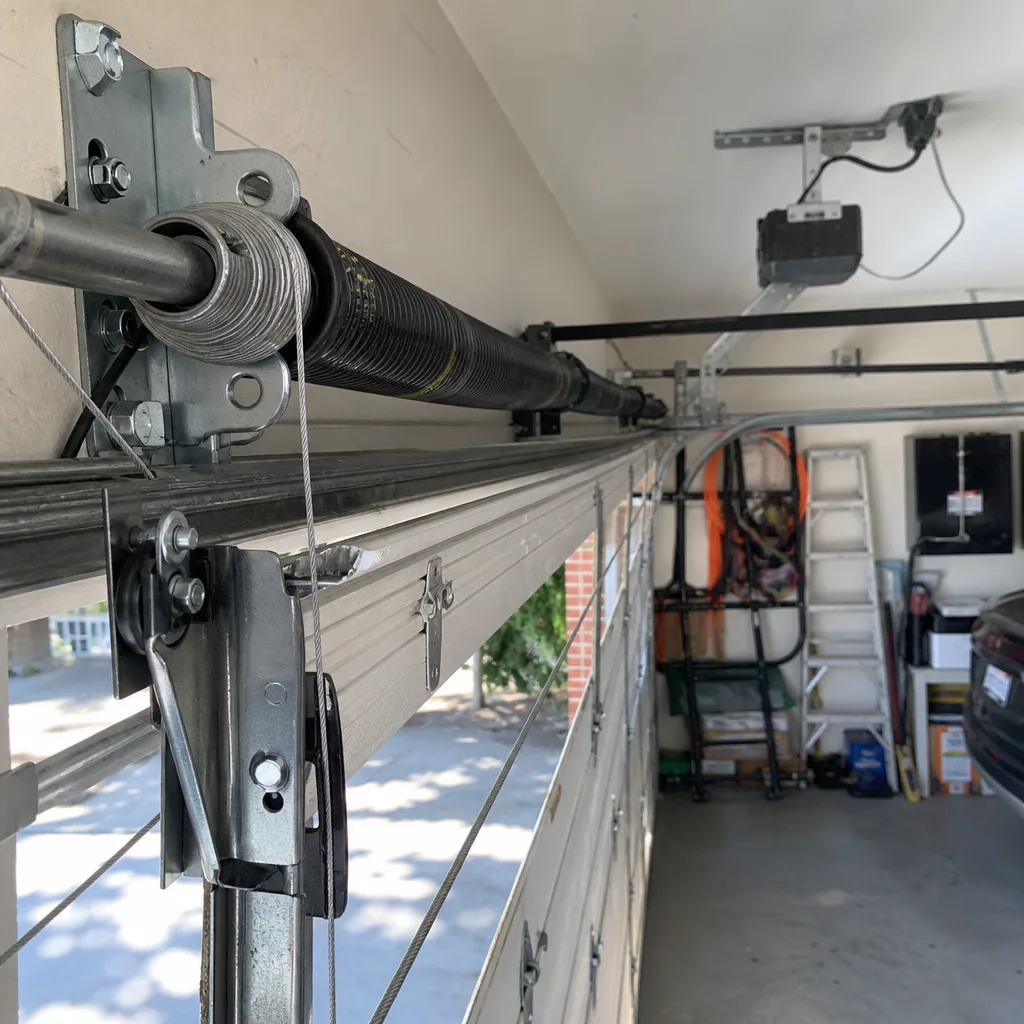
The torsion spring is the horizontal coil mounted above your garage door opening. It does roughly 90% of the lifting when your door opens. It’s wound under immense tension, and winding or unwinding it requires inserting metal bars into the winding cone and rotating it while your body is directly in the line of fire. One slip, one wrong bar length, one stripped winding cone, and the spring releases everything at once.
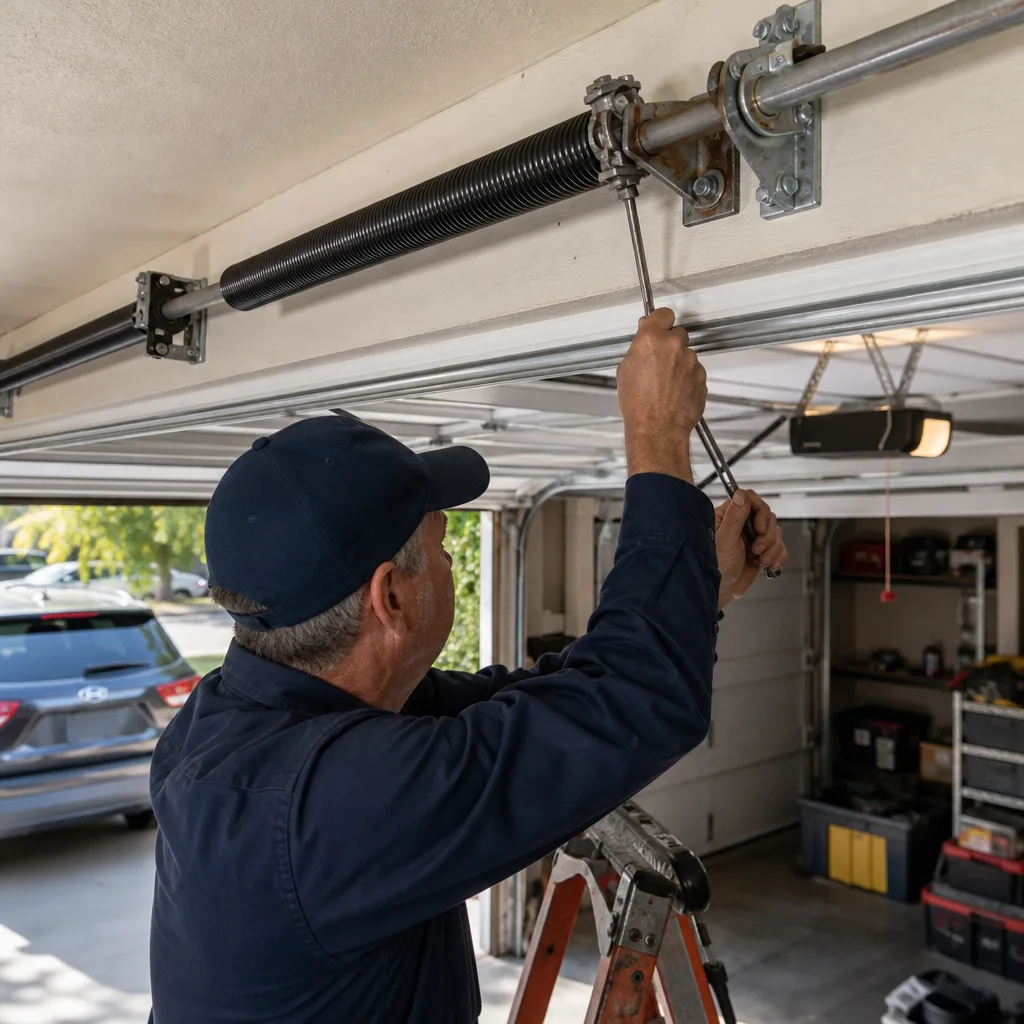
The physics: 100 foot-pounds of torque, released in milliseconds, turns a winding bar into a projectile. A half-inch steel bar moving that fast can go through a car windshield, drywall, or human bone. There is no YouTube tutorial that takes the physical risk out of this. Professional technicians use specific bar lengths, wear face protection, and work from the side, never directly in the winding plane.
Cost of professional spring replacement in Woodland Hills: $150 to $290 for a single spring, $250 to $340 when both springs are replaced. Replacing both is standard practice, by the way, because springs are typically installed in pairs and wear at the same rate. A tech who replaces only the broken spring is setting you up for a second failure within months.
2. Cable reattachment under tension
Garage door cables route through the spring system and carry the door’s weight when it’s in motion. When a cable snaps or comes off its drum, the door can drop suddenly or hang crooked. Reattaching a cable seems simple from the outside: loop it back onto the drum, done. The problem is that the cable is under load the entire time you’re working. The moment the cable seats correctly, it yanks tight. Fingers caught between cable and drum don’t win that fight.
This is why garage door cable repair in Woodland Hills is a professional service, not a weekend project. A technician loosens the spring tension first, which zeroes out the load on the cable, then seats it safely and re-tensions everything in sequence. That sequence matters. Getting the order wrong is how people get hurt.
3. Track realignment on double-car doors
A double garage door in a Woodland Hills home commonly weighs 300 to 400 pounds. The tracks guide that weight up and over, and when they’re misaligned by even half an inch, the door binds, jerks, or refuses to move. Realigning track looks like a bolt-loosening task. It is not. The track is under lateral pressure from the door’s weight and the spring tension simultaneously. Loosen the wrong bracket and that pressure finds the path of least resistance.
That path is usually the person standing on the ladder. We’ve seen tracks bow outward violently when a homeowner removed a bracket before supporting the door. On a 16-foot double door, the force involved is enough to knock a person off a six-foot ladder. Track realignment on a double-car door is a two-person professional job with the door braced and the spring tension accounted for. No exceptions.
The Safe DIY List: 5 Tasks You Can Do This Weekend
Enough about what you shouldn’t do. Here’s what you can absolutely handle yourself, with the tools and time each task actually requires. For a seasonal walkthrough of these safe tasks, check our Garage Door Repair Maintenance Checklist for Woodland Hills Homeowners. All of these assume your door is in reasonable working condition and you’re not trying to fix a secondary problem caused by a broken spring or cable.
1. Weatherstripping replacement (45 minutes, $25-$40)
The rubber seal along the bottom of your garage door wears out every 3 to 5 years in Woodland Hills, partly because our hot, dry summers bake the rubber until it cracks. Replacing it takes a utility knife, a flathead screwdriver, and the new seal. You pull out the old strip, slide in the new one, and trim to length. No springs, no cables, no tension. This is the safest and most cost-effective DIY garage door task there is.
2. Roller replacement with the door fully open (1-2 hours, $30-$60 in parts)
This one needs a specific condition: the door must be fully open so the spring tension is at its lowest for the open position. With the door up, the bottom rollers can often be swapped without special tools. The top roller brackets, however, are under tension even when the door is open because they’re the last point of cable attachment. Here’s the safe version: replace only the bottom rollers and the side rollers that are not under direct cable tension. Leave the top roller and its bracket alone. If any roller requires a bracket removal, stop and call a professional.
You’ll need a pry bar, pliers, and a replacement roller set. Steel rollers run $5 to $8 each. Nylon rollers with ball bearings run $10 to $15 each and are quieter, which matters if your garage sits under a bedroom. Most Woodland Hills homes we service have 8 to 10 rollers total, so a full set of quality nylon rollers costs $80 to $150. Replacing the safe ones yourself and letting a pro handle the tensioned top rollers is a smart compromise.
3. Keypad reprogramming (20 minutes, $0)
Every garage door opener keypad has a reset procedure. For LiftMaster, Craftsman, and most Raynor models, it’s a matter of pressing the Learn button on the motor unit and entering a new code on the keypad within 30 seconds. Your opener’s manual has the exact sequence, or it’s one Google search away with your model number. Zero tools required, zero danger involved, and it takes less time than ordering a contractor out for the same job.
4. Manual lock lubrication (15 minutes, $8-$15)
Many Woodland Hills homes built before 2000 still have manual slide locks on the inside of the garage door. These locks bind over time, especially as the metal expands and contracts through our temperature swings. A lithium-based spray lubricant, applied directly to the lock mechanism and worked in by sliding the lock back and forth a few times, solves most binding issues. This is a five-minute task with a $8 can of lubricant.
5. Opener remote replacement and battery swaps (10 minutes, $10-$40)
Dead remote, working opener. Unless your opener is older than 2005, replacement remotes are universal-compatible and programmable in under a minute. The Learn button on the motor unit pairs any compatible remote. Batteries are standard 3-volt coin cells or 9-volt, available at any hardware store in Woodland Hills. This is pure convenience work with zero risk.
The True Cost Comparison: DIY vs Professional, Line by Line
Let’s put real numbers on a common repair scenario: four worn rollers on a single-car door in Woodland Hills. Here’s what the DIY path actually costs versus calling a pro, with no fudging on either side.
DIY roller replacement: the real number
- Quality nylon rollers (4): $40 to $60
- Pry bar if you don’t own one: $12 to $20
- Pliers set if you don’t own one: $15 to $25
- Lithium lubricant for the track while you’re in there: $8 to $12
- Your time: 1.5 to 2.5 hours for a first-timer going carefully
- Total out-of-pocket: $75 to $117
And that’s the happy version. This assumes every roller comes out cleanly, none of the brackets are under dangerous tension, and the door runs smoothly afterward. In our experience in Woodland Hills, about 30% of DIY roller replacements run into a problem: a seized bracket, a rusted bolt that strips, or a roller that won’t seat correctly in the track. At that point, the homeowner has spent an afternoon, owns $40 in unused parts, and still needs a service call.
Professional roller replacement: the comparable number
- Parts and labor for 4 rollers: $85 to $140 depending on roller grade
- Time on site: 45 to 60 minutes
- Written price before work starts: yes
- Guarantee: 365-Day Done Right Promise in writing
- Total out-of-pocket: $85 to $140
The professional route costs about the same as DIY once you factor in tools and supplies. Neither option is dramatically cheaper. The difference is that the professional route is finished in under an hour, carries a written guarantee, and doesn’t involve you standing on a ladder in a hot Woodland Hills garage wondering if you’re about to make things worse.
What happens when a DIY job fails and a pro has to undo it
This is the part most cost comparisons omit, and it’s the part that actually matters. When a homeowner attempts a repair and the door ends up stuck halfway, misaligned, or with stripped bolts, the professional who arrives has to undo the work before starting the real repair. Removing a stripped bolt takes 20 to 30 minutes. Realigning track that was knocked out of square takes 30 to 45 minutes. Diagnosing what the homeowner changed versus what was already wrong takes time.
The total bill for a failed DIY repair, in our experience serving Woodland Hills, ends up 20% to 40% higher than the same repair would have cost if it had been called in from the start. The undo work adds labor hours, and sometimes the homeowner’s attempt damaged a bracket or stripped threads that now need replacement. The $60 they saved on DIY becomes a $100 surcharge on the professional repair.
This is also why we always provide a written price before any work begins. When you call a garage door repair service in Woodland Hills, the number you’re quoted should be the number on the invoice. No discoveries, no adjustments after the fact. If a repair requires additional work, that additional work gets its own written quote before it starts. That’s how it should work everywhere, and it’s how the Relay Visibility Guarantee requires every Marlow job to operate: live arrival time you can track, before-and-after photos, written price, digital invoice you pay from a link.
The California Insurance Angle: What Happens When DIY Fails
Most DIY vs professional guides never touch this, which is strange because it’s where the real financial risk lives for California homeowners. When a garage door repair goes wrong and the result is a break-in, a fire, or an injury, homeowner’s insurance gets involved. And insurance companies read the word “maintenance” very carefully.
Here’s the scenario: a homeowner in Woodland Hills decides to save money by replacing their own garage door spring. The replacement fails two months later because the spring wasn’t properly balanced. The door comes partially off its track, leaving a gap wide enough for someone to enter the garage. A theft occurs. The homeowner files a claim. The insurance adjuster asks one question: was this repair performed by a licensed professional, or was it a DIY job?
Most standard California homeowner’s policies include an improper maintenance clause. If the insurer determines that the loss was caused or contributed to by improper maintenance or repair, they can deny the claim or reduce the payout. The homeowner is left with the loss, the repair cost, and a denied claim on their record that affects premiums for years. The $120 they saved on the spring becomes a multi-thousand-dollar exposure.
The same logic applies to injuries. If a DIY garage door repair in Woodland Hills results in injury to a family member or a guest, the homeowner’s liability coverage may cover medical costs, but an improper maintenance finding can trigger a denial. A family member injured by a DIY repair gone wrong is a nightmare scenario that no savings is worth.
Professional repairs shift this liability. When a licensed, insured garage door company performs the work and provides a written guarantee, the insurance conversation changes completely. The homeowner has documentation of professional service. If the repair fails, the company’s written guarantee covers the fix. If the failure causes damage, the company’s liability coverage is the first line of defense, not the homeowner’s policy.
In California specifically, contractors performing work over $500 are required to be licensed by the Contractors State License Board. Garage door repair work typically falls under this requirement. A licensed contractor carries bonding and insurance that protects the homeowner. For details on local requirements, read our guide to Garage Door Permits, Codes & Inspections in CA: What You Need to Know. A homeowner doing their own work carries that exposure themselves.
The Middle-Ground Option Most Guides Ignore
There’s a third path in the DIY vs professional debate that almost no guide mentions: buy your own parts and have a licensed technician install them. This works for certain repairs and with certain contractors, and it’s worth understanding your options.
Here’s how it works in practice. You identify the part you need: a specific Craftsman opener sensor, a LiftMaster wall control panel, a set of replacement rollers. You purchase the part from a supply house or online retailer, often at a lower price than the contractor’s marked-up cost. Then you call a garage door company and ask if they’ll install customer-supplied parts.
Some Woodland Hills contractors refuse outright. Their markup on parts is part of their business model, and they don’t want the liability of installing a part they didn’t source. Other contractors accept the arrangement with conditions: no warranty on the part itself, labor charged at standard rates, and the customer assumes responsibility if the part fails.
At Marlow, we’re asked about this occasionally. Our position is straightforward: we install customer-supplied parts on a case-by-case basis, with the clear understanding that our 365-Day Done Right Promise covers our labor, not the third-party part itself. If the part fails, we’ll replace it, but the replacement part is billed at our cost. The honest answer is that sourcing through us is usually the better deal because our parts carry the full warranty and the relationship is simpler. But the option exists, and homeowners deserve to know it.
The middle-ground approach makes the most sense for cosmetic or non-critical parts: remotes, keypads, weatherstripping, replacement rollers. It makes the least sense for safety-critical components like springs, cables, and openers, where the warranty and the sourcing chain matter more than the upfront part price.
Woodland Hills-Specific Factors That Change the Math
Woodland Hills isn’t a generic suburb. Our climate, housing stock, and geography create specific garage door conditions that affect both the DIY decision and the cost of professional repair. For more guides & resources tailored to local homeowners, explore our blog. Here’s what actually matters here.
Summer heat accelerates spring and seal wear
Woodland Hills regularly sees summer temperatures over 100 degrees, and garages run even hotter. That heat has a measurable effect on garage door components. Springs are rated for a certain number of cycles, typically 10,000. Heat doesn’t directly reduce the cycle count, but it accelerates corrosion and material fatigue. Rubber seals bake and crack faster here than they do in coastal neighborhoods. A bottom seal that lasts 5 years in Santa Monica might last 3 in Woodland Hills’ heat.
The practical implication: if your garage door spring is 8 to 10 years old and you live south of Ventura Boulevard where the afternoon sun hits the garage door directly, you’re on borrowed time. Springs in this part of Woodland Hills fail more often in summer than in any other season.
Older housing stock means older door systems
Large portions of Woodland Hills were built in the 1960s and 1970s. Many original garage door openers from that era are still running, or have been replaced with mismatched components over the years. This creates a specific profile: an older Wayne Dalton door with a newer LiftMaster opener and worn rollers from a third manufacturer. That mismatch makes DIY diagnosis harder. The problem you think you’re seeing, a slow open or a grinding noise, might have three different causes working together.
Professional technicians in Woodland Hills see these mismatched systems constantly because the housing stock is what it is. That pattern recognition matters. A tech who has worked 20 years of Woodland Hills garage doors can often diagnose a problem in 10 minutes that a homeowner with a YouTube video and a multimeter would take a weekend to troubleshoot.
The Warner Center corridor and newer construction
The newer development around Warner Center and the Warner Ranch area tells a different story. These homes, built in the last 15 to 20 years, have modern door systems with quieter openers, better spring systems, and more standardized parts. DIY tasks are easier on these systems because the parts are current and the assemblies are cleaner. A homeowner in a 2010 build near Warner Center faces a different risk profile than one in a 1965 build south of the Boulevard.
We mention this because “should I DIY this” is not a universal answer. The same task that’s safe on a 2012 door might be unwise on a 1972 door with original components and decades of accumulated wear. Knowing your home’s construction era and door system age is part of making the call.
Common Mistakes to Avoid
- Assuming all spring types carry the same risk. Extension springs (the long springs running parallel to the tracks, common on older Woodland Hills homes) are dangerous in a different way than torsion springs. They don’t store the same rotational energy, but when they snap, the broken ends fly outward. Neither type is safe to service without training.
- Using the wrong lubricant on tracks and rollers. WD-40 is a solvent, not a lubricant. It cleans well but provides no lasting lubrication. Use white lithium grease on metal-to-metal contact points and silicone spray on rollers. The wrong product creates a sticky residue that attracts dust and makes the door run worse.
- Disconnecting the opener with the door down. When you pull the red emergency release cord with the door closed, you’re releasing the door from the opener while the springs are at maximum tension. If the spring is broken and you didn’t know it, the full weight of the door comes down immediately. Always disconnect with the door fully open.
- Replacing one spring instead of both. Torsion springs are installed in pairs and wear at roughly the same rate. Replacing only the broken spring means the old spring on the other side is days or weeks from failing. You’ll pay twice for the same service visit.
- Attempting a repair without checking the spring condition first. Every garage door repair, from roller replacement to track adjustment, should start with checking whether the springs are intact. A broken spring changes how every other component behaves. If you don’t know whether your springs are good, you don’t know whether your repair is safe.
- Ignoring the door balance test. Disconnect the opener and lift the door manually halfway. If it stays, the springs are balanced. If it drops, the springs are failing. This 30-second test tells you more about your door’s health than an hour of visual inspection, and it costs nothing to do.
When to Call a Professional
Call a professional when the repair involves any component under spring or cable tension, when the door is off its tracks, when you hear a loud bang from the garage, or when you’ve spent more than an hour on a repair and the door still isn’t working correctly. Call when the door won’t stay up, when it closes too fast, when it makes grinding noises, or when you notice frayed cables or a visible gap in the spring. These are not subtle signs. They’re the door telling you something is about to fail completely.
Marlow Garage Door Repair Woodland Hills offers free estimates in Woodland Hills and the surrounding area. Call (341) 888-6519 and a real person answers, 24 hours a day, 7 days a week. We’ll give you a written price before any wrench turns, and every repair is covered by our 365-Day Done Right Promise. If the fix isn’t right, we make it right for a full year. No fine print.
Frequently Asked Questions
Garage door spring replacement in Woodland Hills typically costs $150 to $290 for a single spring and $250 to $340 when both springs are replaced. The final number depends on the spring type and the door weight, and you should receive a written quote before any work begins. You can also get exact pricing by calling our garage door spring repair service in Woodland Hills.
No, and the reason is physics, not gatekeeping. Torsion springs store roughly 100 foot-pounds of torque, and if the winding bar slips during a DIY attempt, that energy releases into whatever is in its path. This is the single most dangerous repair a homeowner can attempt, and it’s the leading cause of garage door injuries nationwide.
Most torsion springs are rated for 10,000 cycles, which translates to 7 to 12 years of normal use for a Woodland Hills homeowner. Our summer heat accelerates wear, especially on garage doors with direct afternoon sun exposure. If your springs are over 8 years old and you hear creaking during operation, have them inspected before they fail.
For low-risk tasks like weatherstripping replacement and keypad reprogramming, yes. For tension-related repairs, no, once you factor in tool costs, time, the risk of injury, and the higher cost of calling a pro to undo a failed DIY attempt. A DIY roller replacement that goes wrong ends up costing 20% to 40% more than the original professional quote would have been.
It depends on the policy’s improper maintenance clause. If a DIY repair contributes to a break-in or injury, the insurer may deny the claim or reduce the payout. Professional repairs shift this liability to the contractor, which is why keeping documentation of professional service matters.
Some will, with conditions. The typical arrangement is that the contractor installs the customer-supplied part but provides no warranty on the part itself. At Marlow, we handle these situations case by case, with the understanding that our 365-Day Done Right Promise covers our labor, not the third-party part.
The Bottom Line
The DIY vs professional garage door question in Woodland Hills isn’t about money. It’s about knowing which side of the tension line a task sits on. Weatherstripping, lubrication, keypad programming, and careful roller swaps are homeowner work. Springs, cables, and track realignment on heavy doors are not. The real cost of guessing wrong is measured in medical bills, denied insurance claims, and a garage door that still doesn’t work. When in doubt, call us at (341) 888-6519. You’ll get a straight answer, a written price, and the knowledge that the person on your driveway is background-checked, uniformed, and backed by a promise in writing.
Written by Jaylen Ross, Owner at Marlow Garage Door Repair Woodland Hills, serving Woodland Hills since 2002.
See the difference
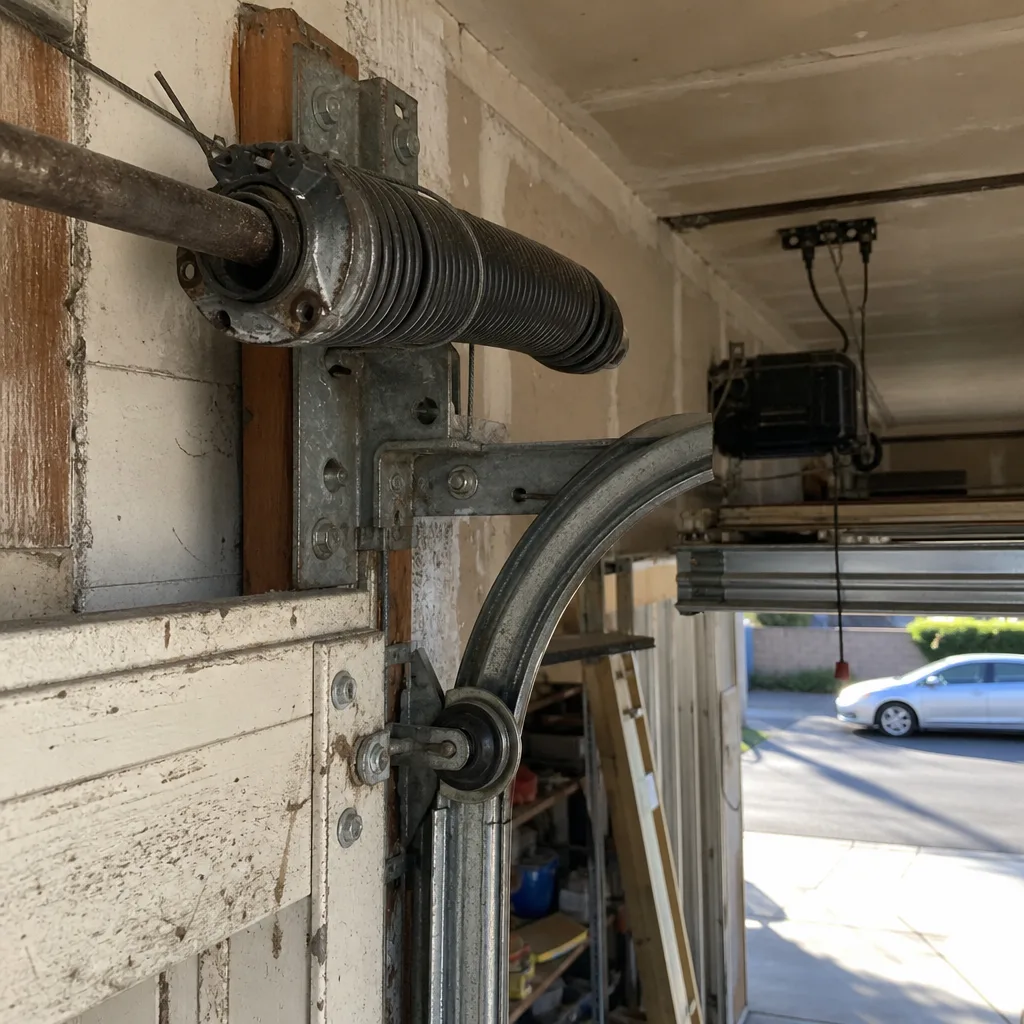 Before
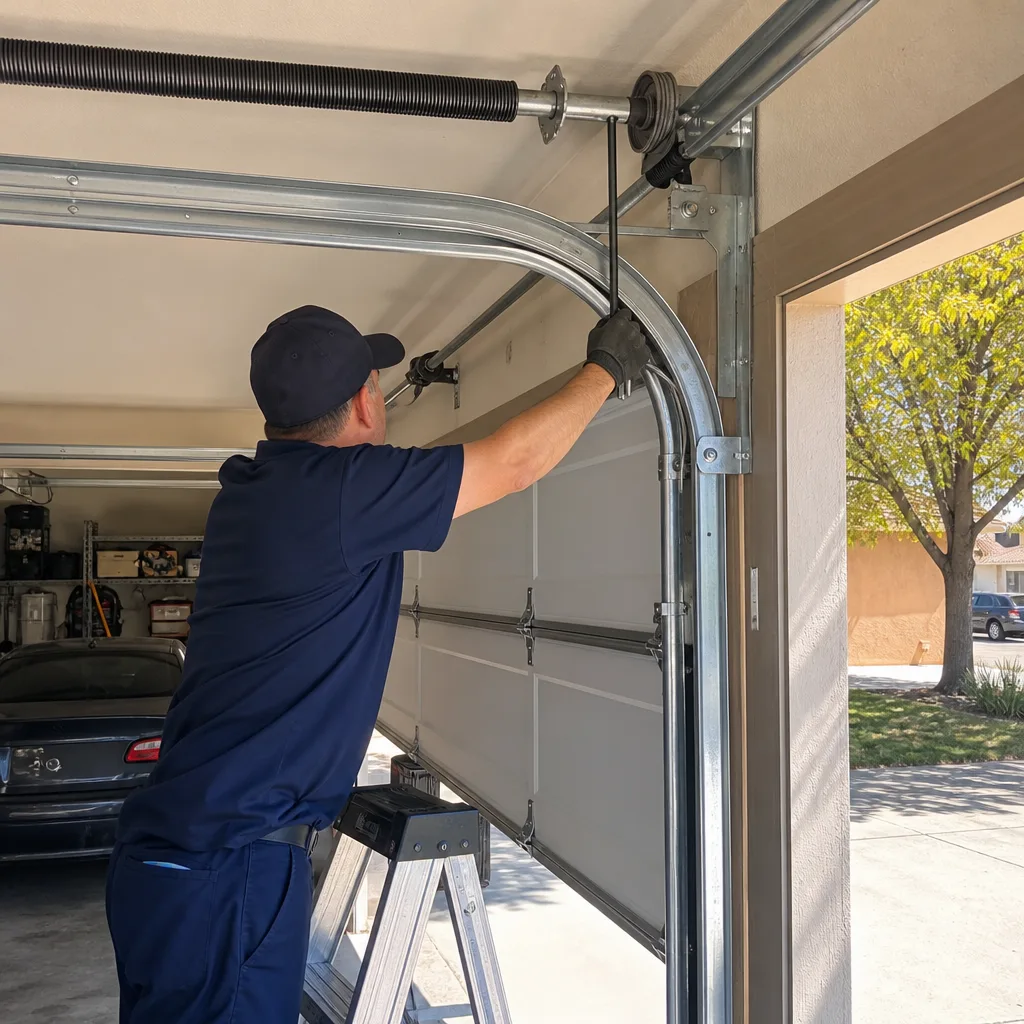 After
After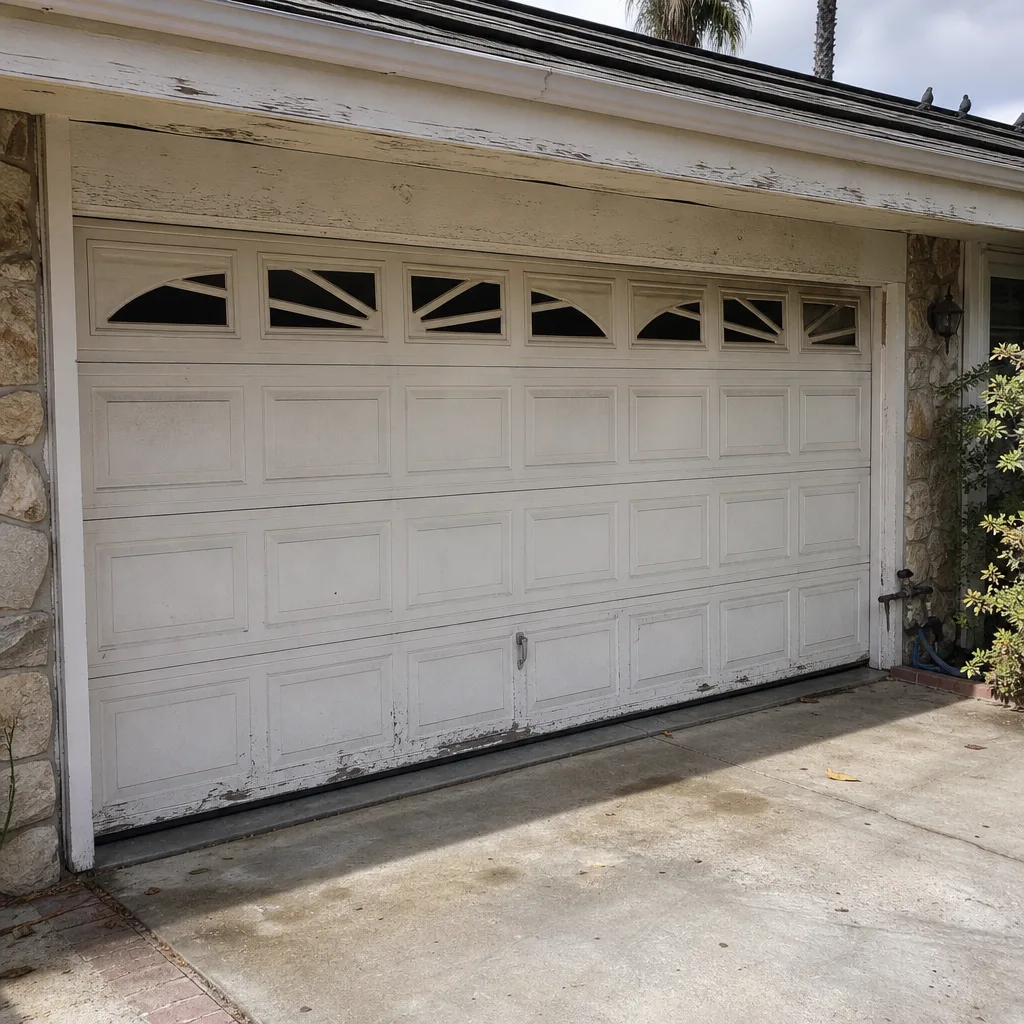 Before
 After
After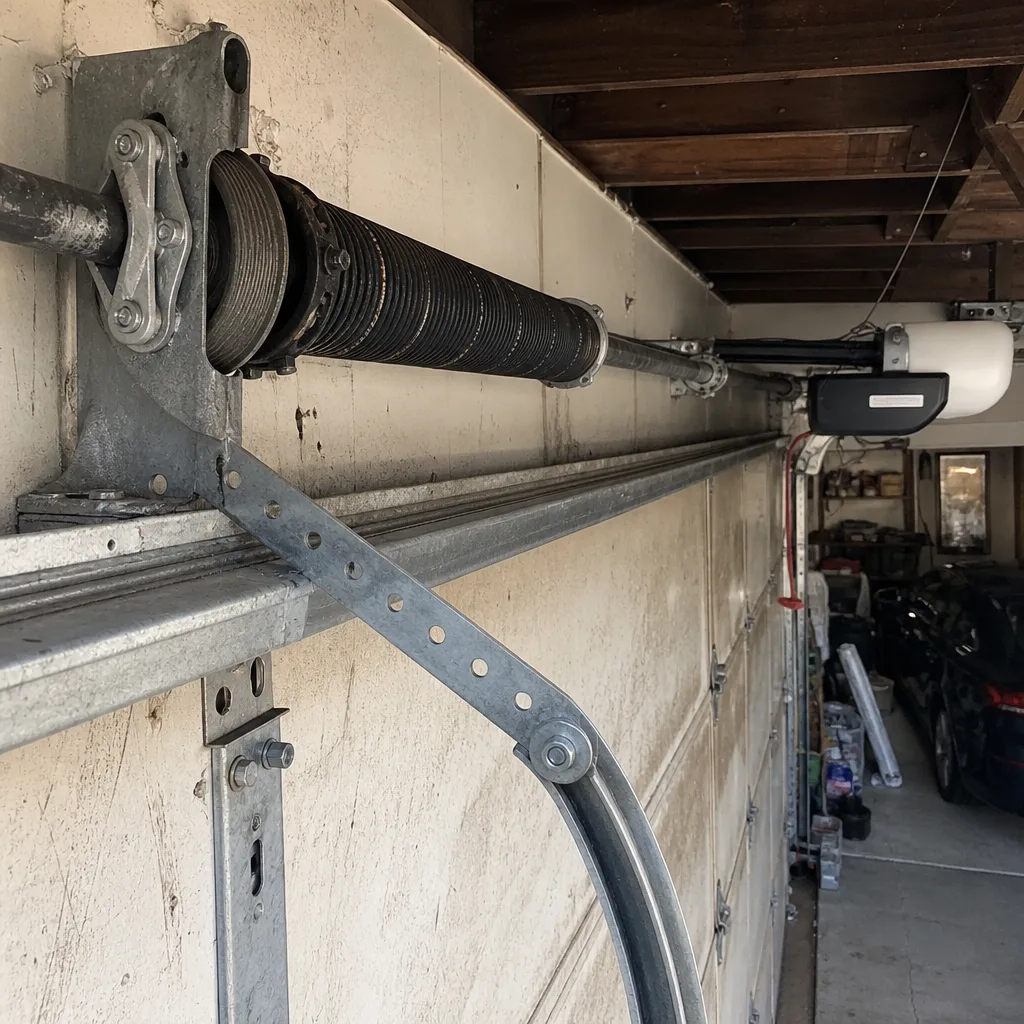 Before
 After
After