
Last updated October 16, 2026
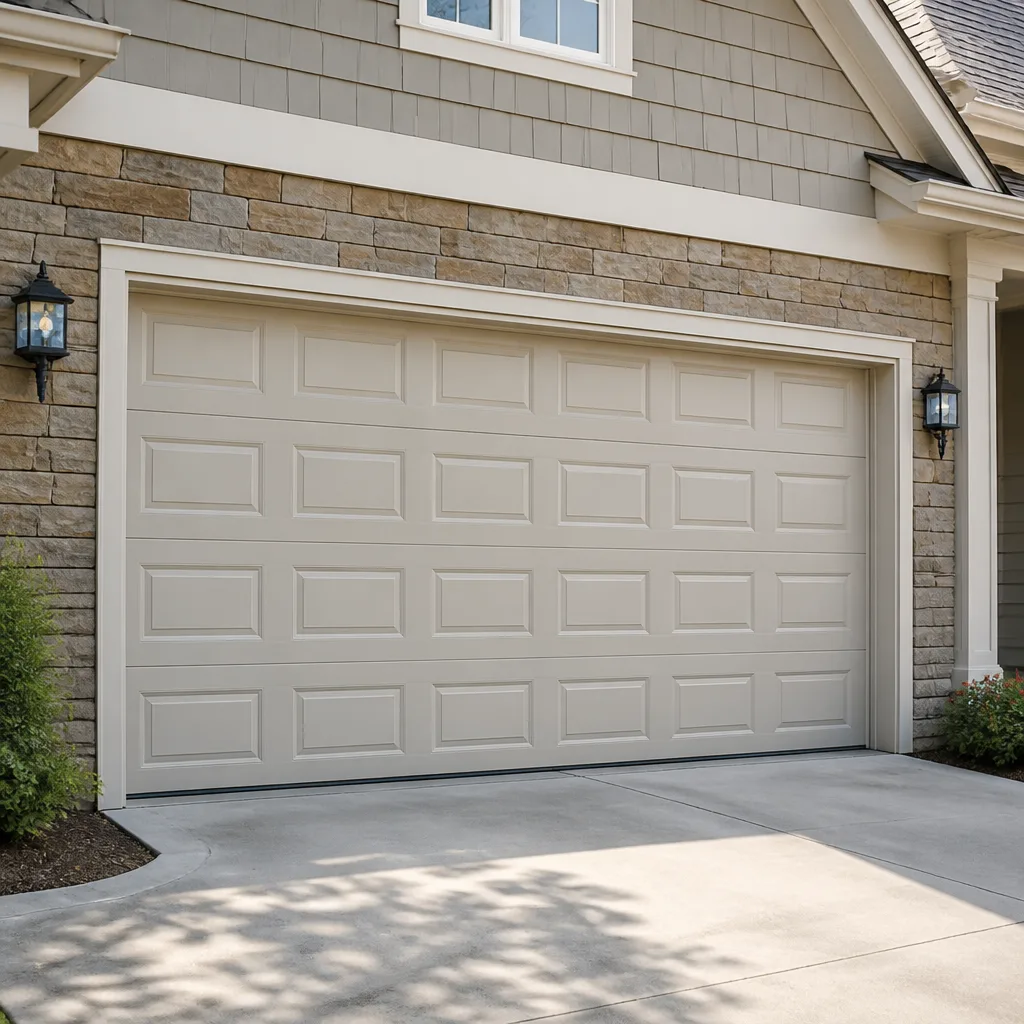 Raised-panel steel
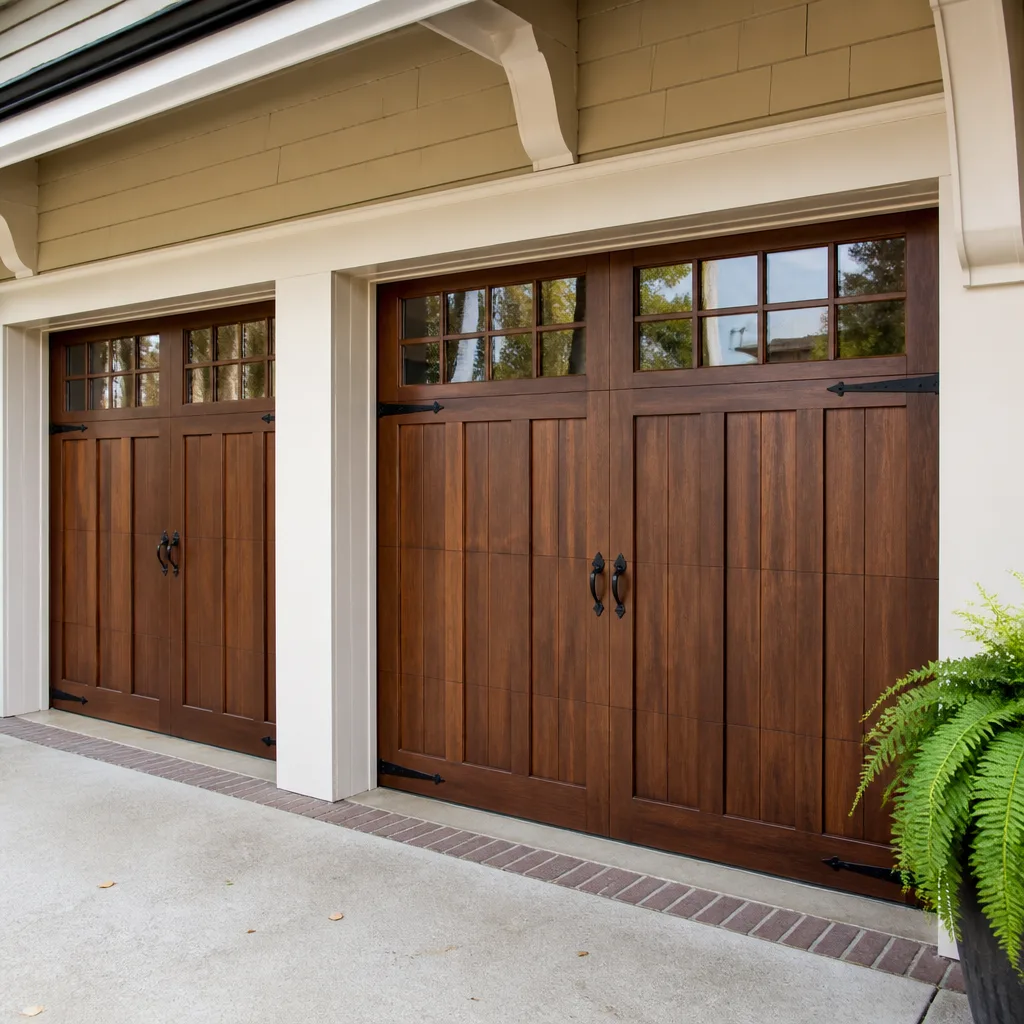 Carriage house
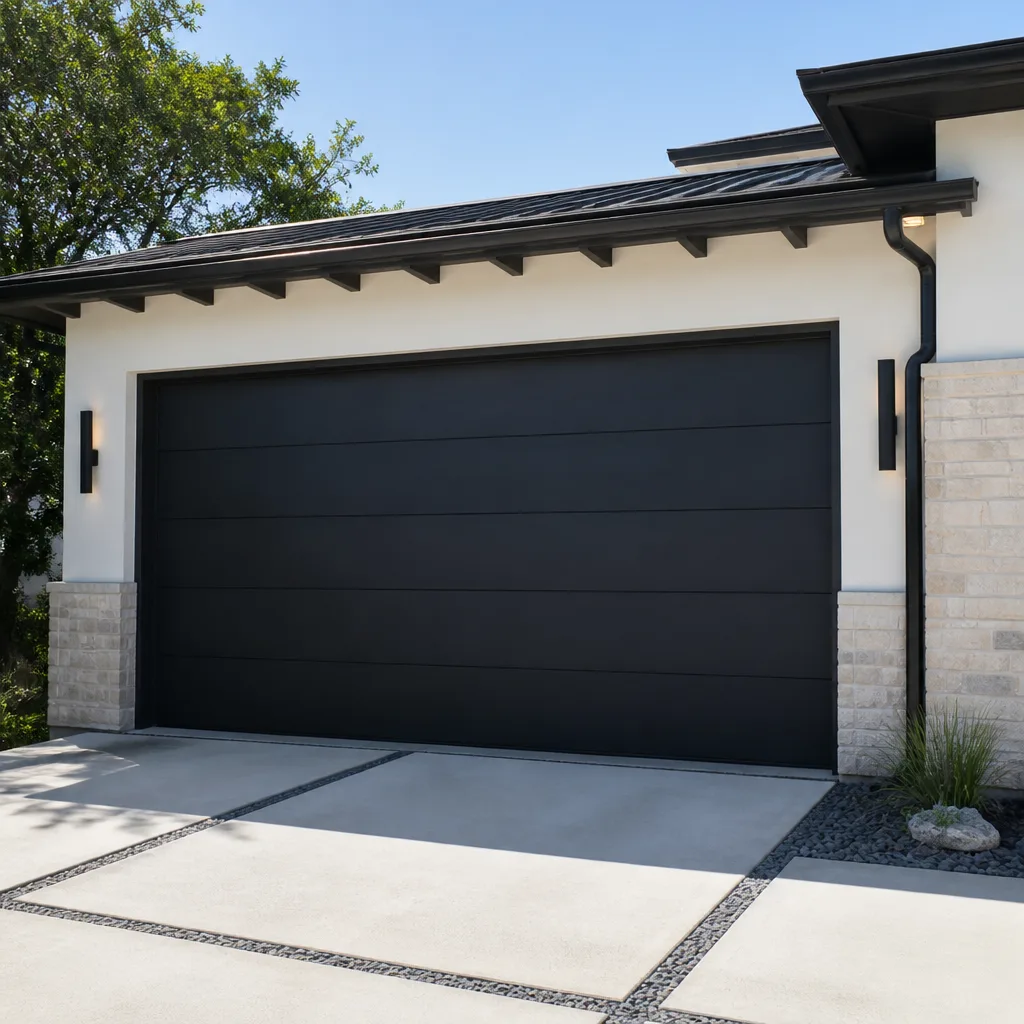 Modern flush
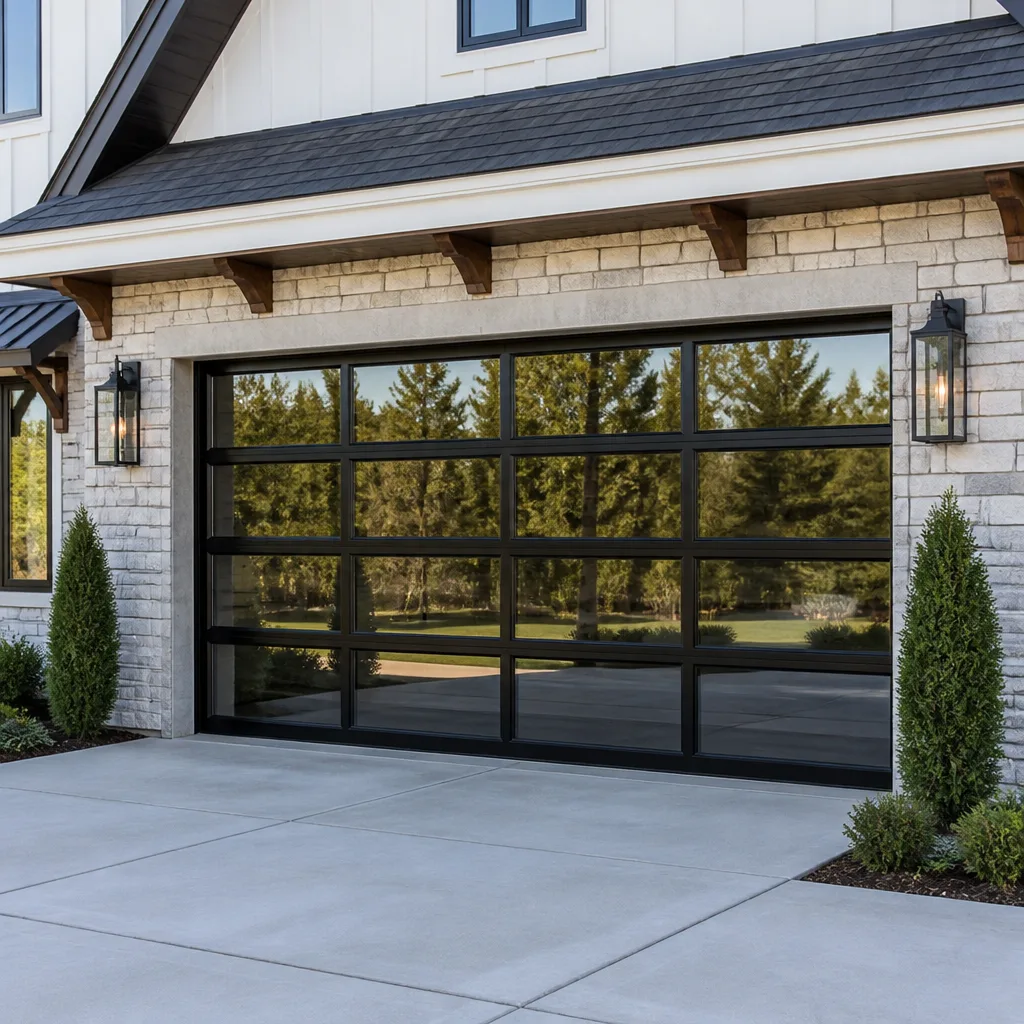 Full-view glass
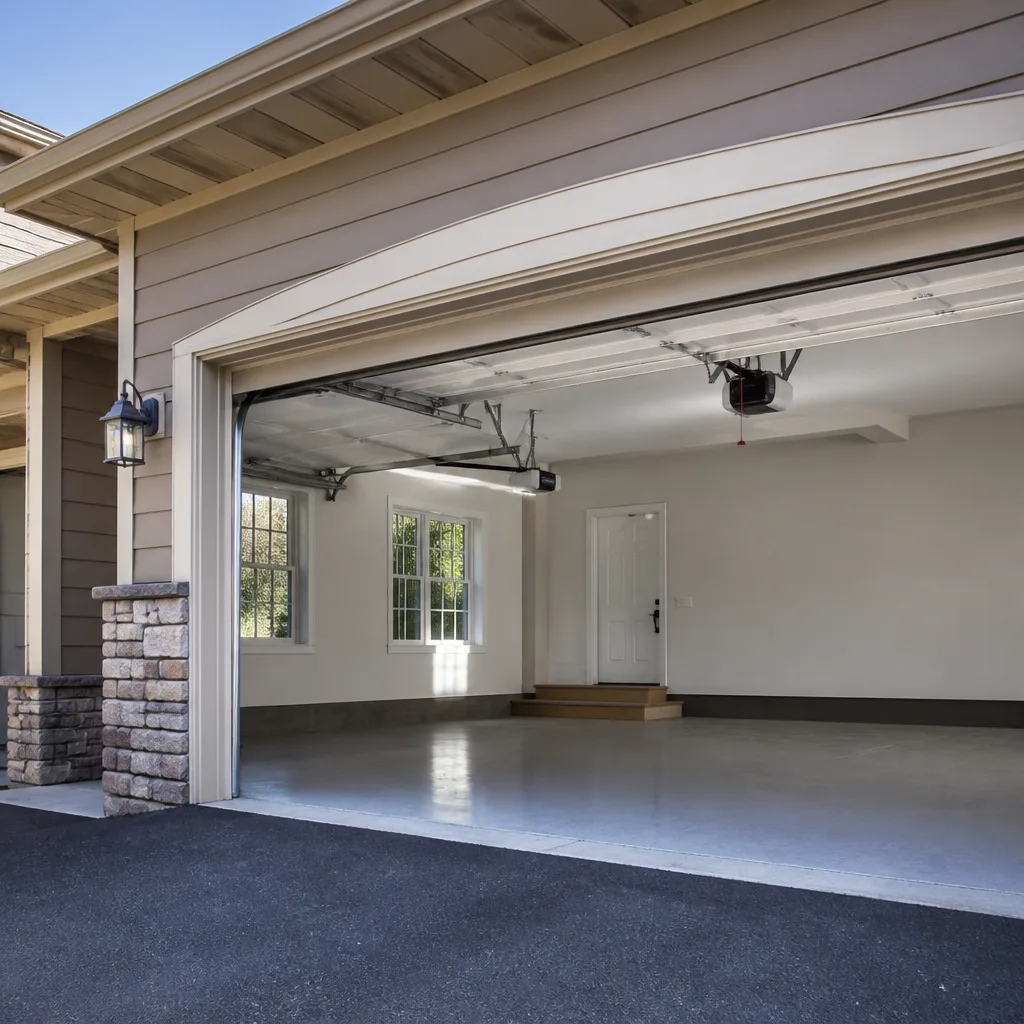 LiftMaster openers
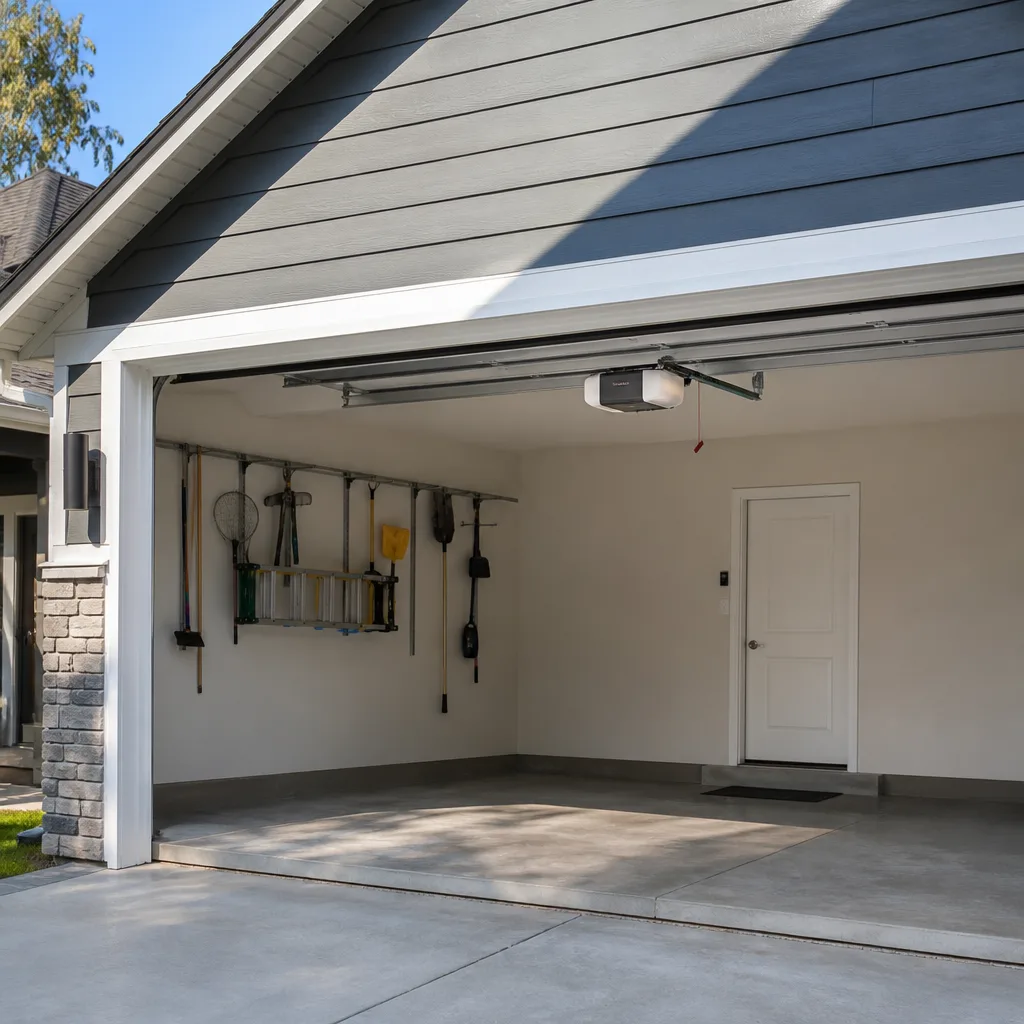 Chamberlain openers
Full 25-point door and opener safety check with every visit - springs, cables, rollers, tracks, and your LiftMaster or Chamberlain opener included
You get a price before we start. It does not change when the truck arrives.
Get your free estimateGarage Door Permits, Codes & Inspections in CA: What You Need to Know
A $1,200 garage door installation without a permit in LA County won’t get you fined tomorrow. It won’t trigger a code enforcement sweep or a red tag on your door. But three years from now, when a fire starts in that garage or someone breaks in through the side access door, your insurance adjuster can deny the claim because the opening was “unpermitted construction.” That clause exists in standard HO-3 policies, and it’s a conversation no Woodland Hills homeowner wants to have at 2 a.m. in a burned-out garage.
This guide walks through what California actually requires for garage door work, what Los Angeles County enforces, and what nobody tells you until a claim gets denied. We’ll cover permit triggers, Title 24 energy code, UL 325 opener standards, HOA layers in the west Valley, and how to navigate the permitting process without spending three weeks at the Building and Safety counter.
Styles & brands we work with
Quick Answer
Most garage door repairs in California, including spring replacement, cable repair, and opener swaps, do not require a permit. You typically need a permit only for installing a new garage door, replacing the header above the opening, or adding electrical power to a door that was previously manual. Los Angeles County enforces this through Building and Safety, and the permit should be pulled before the work starts, not after.
Table of Contents
- When a Permit Is Required in California
- When a Permit Is NOT Required
- Los Angeles County Permit Process: Step by Step
- Title 24 Energy Code and Garage Doors
- UL 325 Opener Standard: What “Listed” Means
- HOA Rules in Woodland Hills, Warner Center, and West Hills
- Insurance and Unpermitted Work: The Risk Nobody Explains
- Common Mistakes to Avoid
- When to Call a Professional
- Frequently Asked Questions
- The Bottom Line
When a Permit Is Required in California
California defers to local jurisdictions on garage door permits, but the basic framework is consistent. Los Angeles County Building and Safety requires a permit for any work that changes the structure of the garage opening or the door’s function in a significant way. In plain terms, you need a permit for three things:
- Installing a brand-new garage door where one didn’t exist before, or where the existing door is being replaced with a different size or type.
- Modifying the header above the garage door opening, which is the structural beam that carries the weight of the wall and roof above it.
- Electrifying a manual door, meaning you’re adding an automatic opener and running new electrical to a garage that never had powered door operation.
The logic here is structural and safety-based. A garage door opening is a big hole in your house’s load-bearing wall. The header above it does real work. When you change the door, change the header, or add power that changes how the door operates, the county wants to verify the work meets current code. In Woodland Hills, where many homes were built in the 1950s and 1960s, we regularly see headers that don’t meet today’s seismic standards. A permit inspection catches that before it becomes a problem.
If you’re replacing an existing door with a same-size door and not touching the header, you often fall into a gray area. Some LA County inspectors treat it as a like-for-like swap and don’t require a permit. Others want one because the door itself is part of the building envelope. The safest move is to call Building and Safety and ask, or have a contractor who knows the local inspectors handle it for you.
When a Permit Is NOT Required
Here’s the good news for most homeowners in Los Angeles County: the repairs you’re most likely to need don’t require a permit at all. This is where a lot of confusion lives, and it’s worth being specific.
Garage door spring replacement does not require a permit. Whether you have torsion springs, the horizontal coil above your door that does most of the lifting, or extension springs along the sides, replacing them is considered maintenance of existing equipment. The door opening isn’t changing, the structure isn’t changing, and no new electrical is being added. The same goes for garage door spring repair in Woodland Hills.
Cable replacement also doesn’t require a permit. The cables are wear items, like brake pads on a car. When a cable frays or snaps in Woodland Hills, often because of the dry heat and age, replacing it is a standard garage door cable repair, not a construction project.
Opener swap, meaning replacing an existing automatic opener with a new one of the same type, generally doesn’t require a permit because the electrical circuit already exists. You’re swapping a UL 325 listed device for another UL 325 listed device. The county cares when you’re running new wire, not when you’re bolting a new unit to the same brackets.
Track and roller replacement, panel replacement on an existing door, and weather seal replacement all fall under maintenance. No permit, no inspection, no county involvement.
The distinction comes down to this: if you’re fixing what’s there, no permit. If you’re changing what’s there structurally or electrically, get a permit. We’ve walked dozens of Woodland Hills homeowners through this exact question on the phone, and the answer usually lands within 30 seconds once you know what to look for.
Los Angeles County Permit Process: Step by Step
If you do need a permit, the process in LA County isn’t as bad as the reputation suggests. Here’s the sequence, based on how Building and Safety actually operates for residential garage door permits:
- Determine if you need a plan check. For a simple same-size door replacement with no structural changes, most garage door permits are “express permits” that skip the plan check entirely. For header modifications or new openings, expect a plan check with structural drawings.
- Complete the permit application. You can do this online through the LA County Building and Safety portal or in person at the Van Nuys or Calabasas office. As a homeowner, you can pull the permit yourself if the work is on your primary residence and you’re not renting it out.
- Pay the permit fee. Garage door permit fees in LA County typically range from $80 to $300 depending on the valuation of the work and whether a plan check is required. Express permits are on the lower end.
- Post the permit. The permit must be visibly posted at the job site before the work begins. An inspector can stop work if it’s not there.
- Schedule the inspection. After the door is installed, call or go online to schedule the inspection. In LA County, residential inspections are usually scheduled for a specific day, with a time window provided the morning of.
- Pass the inspection. The inspector verifies the door installation matches the permit, the door is properly anchored, the opener meets UL 325 requirements, and the work complies with applicable codes. You get a signed final approval that stays on file with the county.
One thing that surprises homeowners: pulling the permit yourself as the owner is legal and usually not faster than having a licensed contractor pull it. Contractors who work in the county regularly know which forms to file and what inspectors look for. If you go the DIY route on the permit, budget extra time for the learning curve. If you have a contractor doing the work, ask who’s pulling the permit and get it in writing.
Title 24 Energy Code and Garage Doors
California’s Title 24 energy code gets complicated fast, but for garage doors, the rule that matters is this: if your garage is conditioned space, meaning it’s heated or cooled as part of the house, the garage door has to meet insulation requirements. If the garage is unconditioned, which is the case for most older Woodland Hills homes, the door doesn’t fall under the energy code’s insulation mandate.
This matters more than it used to because of ADU conversions. When a homeowner converts a garage to an accessory dwelling unit, which is increasingly common in Woodland Hills and the west Valley, the garage door either comes out entirely or gets replaced with an insulated, code-compliant version. Title 24 requires a minimum insulation value for conditioned garages, typically R-6 to R-8 depending on the door construction and the climate zone. Woodland Hills falls in climate zone 9, which has specific requirements.
If you’re replacing a garage door on a standard, unconditioned garage, Title 24 doesn’t force you to buy an insulated door. But it’s worth knowing that insulated doors from Amarr or Clopay run quieter, hold up better against the Valley heat, and cost maybe $150 to $300 more than a non-insulated version. If there’s any chance you’ll convert the garage later, or if your bedroom sits above the garage, the upgrade earns its premium the first July heat wave.
The permit inspection for a new garage door installation will check energy code compliance if your garage is conditioned. That means the inspector looks at the door’s certification label, which the manufacturer affixes to the panel, showing the U-factor and R-value. If the label is missing or the door doesn’t meet the requirement, the inspection fails. Keep the label intact until the inspection is signed off.
UL 325 Opener Standard: What “Listed” Means
UL 325 is the national safety standard for automatic garage door openers, and it gets referenced in the California Building Code and the California Electrical Code. The standard came out of a 1993 federal law requiring all openers manufactured after January 1, 1993, to include two entrapment protection systems: a reversing mechanism that stops and reverses the door if it hits something, and a photoelectric eye or door edge sensor.
When an opener is “UL 325 listed,” it means the unit was tested by Underwriters Laboratories and met the standard’s requirements. When an opener is “unlisted,” it means it hasn’t been through that testing, and the inspector has grounds to fail the inspection, because the California Electrical Code requires listed equipment.
Every major brand we train on, including Genie, LiftMaster, and Chamberlain, makes UL 325 listed openers. The listing isn’t a differentiator between brands; it’s a baseline requirement. What matters for your inspection is that the specific unit being installed carries the listing. The UL certification label is on the opener’s motor housing or the power cord, and the inspector may ask to see it.
The photoelectric eye requirement is the part that trips up homeowners doing their own opener swap. The eyes have to be mounted no higher than six inches off the floor, aligned on both sides of the door opening, and wired correctly. When the beam is interrupted, the door must reverse. An inspector will test this with a roll of paper towels or a block of wood. If the door doesn’t reverse, the inspection fails on the spot.
The safety stakes here are real, not bureaucratic. A garage door can weigh 150 to 400 pounds. A malfunctioning auto-reverse can injure a child or a pet. We don’t hand out DIY advice on opener wiring precisely because of this. If the wiring isn’t right, the safety system doesn’t work, and the failure mode is silent until something or someone is in the door’s path. A trained technician is the right call for opener electrical work, whether it’s a swap or a new install.
HOA Rules in Woodland Hills, Warner Center, and West Hills
If your house is in an HOA, and many of the newer communities in Warner Center and the planned developments along the west Valley are, you have a second layer of approval on top of LA County code. The HOA’s architectural review process can require written approval before any exterior door change, including a new garage door or a change in door style, material, or color.
This isn’t a code enforcement issue. The county doesn’t care if your new garage door is flush panel or carriage house style, as long as it meets structural and safety requirements. Your HOA cares, usually a lot. HOAs in Woodland Hills-adjacent communities like Warner Center and West Hills typically have design guidelines that specify approved door styles, materials, and a palette of acceptable colors. A homeowner who installs a modern glass-panel door in a community that requires traditional wood-look raised panels can be fined or forced to replace the door.
The HOA process adds time. Architectural review commonly takes two to four weeks, and some communities require a submittal package with the manufacturer’s spec sheet, a color sample, and a photo mockup. If you’re planning a new garage door installation, start the HOA application before you order the door. The door’s lead time and the HOA’s review time run in parallel, and you come out ahead.
We’ve worked in enough west Valley communities to know the drill. We’ll help you pull the spec sheet and color samples for the submittal package, and we’ll wait for the HOA letter before we schedule the install. Nothing’s worse than a beautiful new door that has to come back off the house because the board met a week too late.
Insurance and Unpermitted Work: The Risk Nobody Explains
The insurance angle is the one most garage door companies never mention, because it’s uncomfortable. Here’s how it plays out in real life. You install a new garage door, skip the permit, and everything looks fine. Two years later, a fire starts in the garage. Or someone breaks in through the service door and steals $8,000 in tools and bikes. You file a claim. The adjuster pulls the property’s permit history from the county, sees no permit for the garage door, and notes the discrepancy.
Standard HO-3 policies, the most common homeowner’s policy type in California, contain language that excludes or limits coverage for damage caused by construction, remodeling, or repair work that wasn’t completed according to building codes. The insurer’s argument isn’t that the garage door caused the fire. The argument is that the unpermitted work constitutes a material change to the property that the insurer didn’t know about and didn’t underwrite. The claim gets denied or reduced, and you’re fighting a valuation dispute on top of whatever damage you’re dealing with.
This isn’t theoretical. We’ve talked to Woodland Hills homeowners who’ve been through claim disputes over unpermitted work, and the common thread is always the same: the cost of the permit was $150, and the cost of the denied claim was five figures.
The time to get the permit is before the work starts, not after. Retroactive permits are possible in LA County, but they require an inspection of the completed work and often trigger additional fees. If the work has already been covered by drywall or otherwise concealed, the inspector may require opening it back up. A $150 permit becomes a $1,500 corrective project.
Common Mistakes to Avoid
- Skipping the permit on a new door because the contractor said it was fine. Some contractors will tell you a permit isn’t necessary because it slows the job down. What they’re really telling you is they don’t want the inspection. And that should make you ask what else they don’t want an inspector to see.
- Assuming spring replacement requires a permit. It doesn’t, and paying for a permit you don’t need is just money wasted. We handle garage door repair in Woodland Hills every day, and the vast majority of our work is permit-free maintenance.
- Replacing the door without checking the HOA guidelines. In Woodland Hills HOA communities, an unapproved door can trigger a fine and a replacement order. The HOA layer is real, and it operates on its own timeline.
- Removing the UL certification label before the inspection. The inspector needs to see it. Once it’s peeled off, you’re buying a new label or a new door.
- Running new electrical to a garage door without a permit. New wiring to power an opener on a previously manual door is exactly the kind of work a permit covers. Skipping it leaves a code violation on your property record.
- Waiting to pull the permit until after the door is installed. Retroactive permits cost more and can require opening up finished work. Get the permit first, then start swinging the hammer.
- Hiring someone who can’t say who’s pulling the permit. If the answer is “don’t worry about it,” that’s the wrong answer. Get it in writing on the quote: who pulls the permit, who schedules the inspection, and who handles a failed inspection.
When to Call a Professional
Spring replacement on a torsion setup, which is the system with the horizontal coil above the door, carries genuinely dangerous tension. The spring holds enough stored energy to break bones or worse if it releases unexpectedly. Don’t attempt it yourself. Cable work on a door that’s off its tracks is the same story. If the door is binding, the springs are showing gaps, or a cable has already snapped, shut the door if you safely can and make the call.
For anything involving permits, inspections, or HOA submittals, a professional who works in the local jurisdiction saves you the most time. Marlow Garage Door Repair Woodland Hills offers free estimates in Woodland Hills and the surrounding west Valley. Call (341) 888-6519 and we’ll tell you what needs a permit, what doesn’t, and what it’ll take to get it done right.
Frequently Asked Questions
No. Spring replacement, whether torsion or extension, is classified as maintenance of existing equipment and does not require a permit anywhere in California, including Los Angeles County. We do garage door spring repair in Woodland Hills regularly, and the work is always permit-free. Call (341) 888-6519 for a quote, and we’ll give you the price before any work starts.
Most residential garage door permits in LA County run between $80 and $300, depending on the valuation of the work and whether a plan check is required. Express permits for simple same-size replacements are on the lower end. If retroactive permitting is needed, expect additional fees. For an exact figure on your project, call (341) 888-6519 and we’ll walk through the specifics.
Yes, if the work is on your primary residence and you’re not renting it out. You file the application with LA County Building and Safety and pay the fee. The tradeoff is time: contractors who file regularly know the process and the inspectors. If you want to go the DIY route on paperwork, plan for extra back-and-forth. If you’d rather hand it off, a licensed contractor can pull the permit on your behalf.
Only if the garage is conditioned space, meaning it’s heated or cooled as part of the living area. Most standard Woodland Hills garages are unconditioned, so insulation isn’t required under Title 24. If you’re converting the garage to an ADU, or if you want a quieter, cooler door, an insulated model from Amarr or Clopay is worth the extra cost. The inspector will check the certification label if conditioned space applies.
UL 325 is the national safety standard for automatic garage door openers. It requires entrapment protection, including a reversing mechanism and photoelectric eyes. All openers manufactured since 1993 must be UL 325 listed to be legal to install. The label on the opener’s housing confirms the listing, and an LA County inspector can fail the inspection if the listing isn’t visible. Every opener we install, including Genie and LiftMaster units, carries the listing.
It can affect your coverage. If a claim involves damage connected to unpermitted work, the insurer can deny or reduce the payout by arguing the property wasn’t as represented at underwriting. Standard HO-3 policies contain exclusion language for this. The permit for a garage door costs under $300 in most cases. A denied fire or theft claim can cost tens of thousands. Get the permit before the work starts.
Many do. Communities in Warner Center, West Hills, and the planned developments around Woodland Hills often require architectural review before any exterior door change, including a new garage door or a color change. The review takes two to four weeks and requires a submittal package with manufacturer specs and color samples. Start the HOA application before you order the door.
The Bottom Line
Most garage door work in California doesn’t need a permit. Spring replacement, cable repair, roller swaps, and same-size opener replacements are maintenance, and LA County doesn’t regulate them. What does need a permit: new doors, header modifications, and new electrical. Skip the permit on those, and you’re not just out of compliance with the county, you’re carrying a latent insurance risk that won’t surface until a claim makes it surface. The permit costs a couple hundred dollars at most. The downside of skipping it doesn’t have a ceiling. And in Woodland Hills, with the mix of 1950s construction, HOA-governed communities, and ADU conversions, the answer is rarely one-size-fits-all. When in doubt, call and ask someone who works in the local jurisdiction every day.
Garage door repair in Woodland Hills starts with an honest answer about permits and code. Call (341) 888-6519 for a free estimate and a straight answer, whether you’re replacing a spring or a whole door.
Written by Jaylen Ross, Owner at Marlow Garage Door Repair Woodland Hills, serving Woodland Hills since 2002.
See the difference
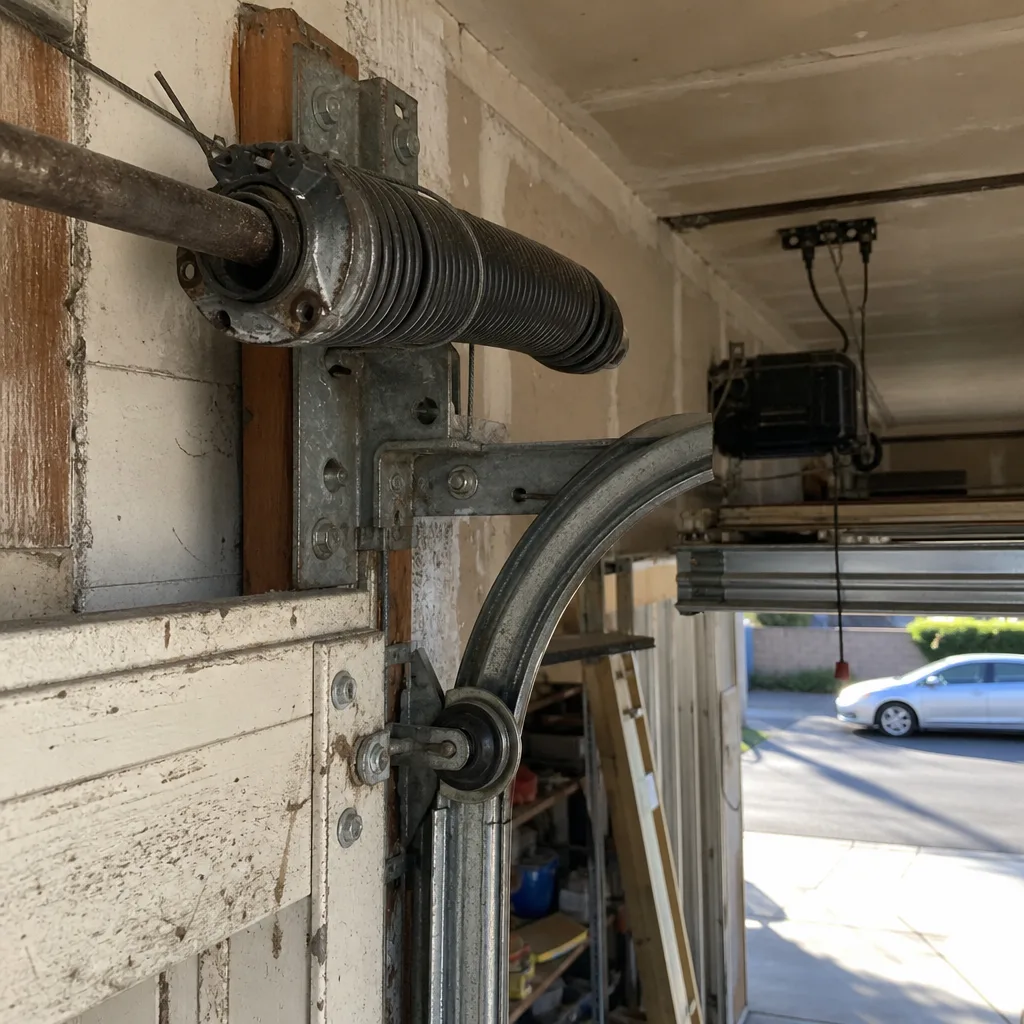 Before
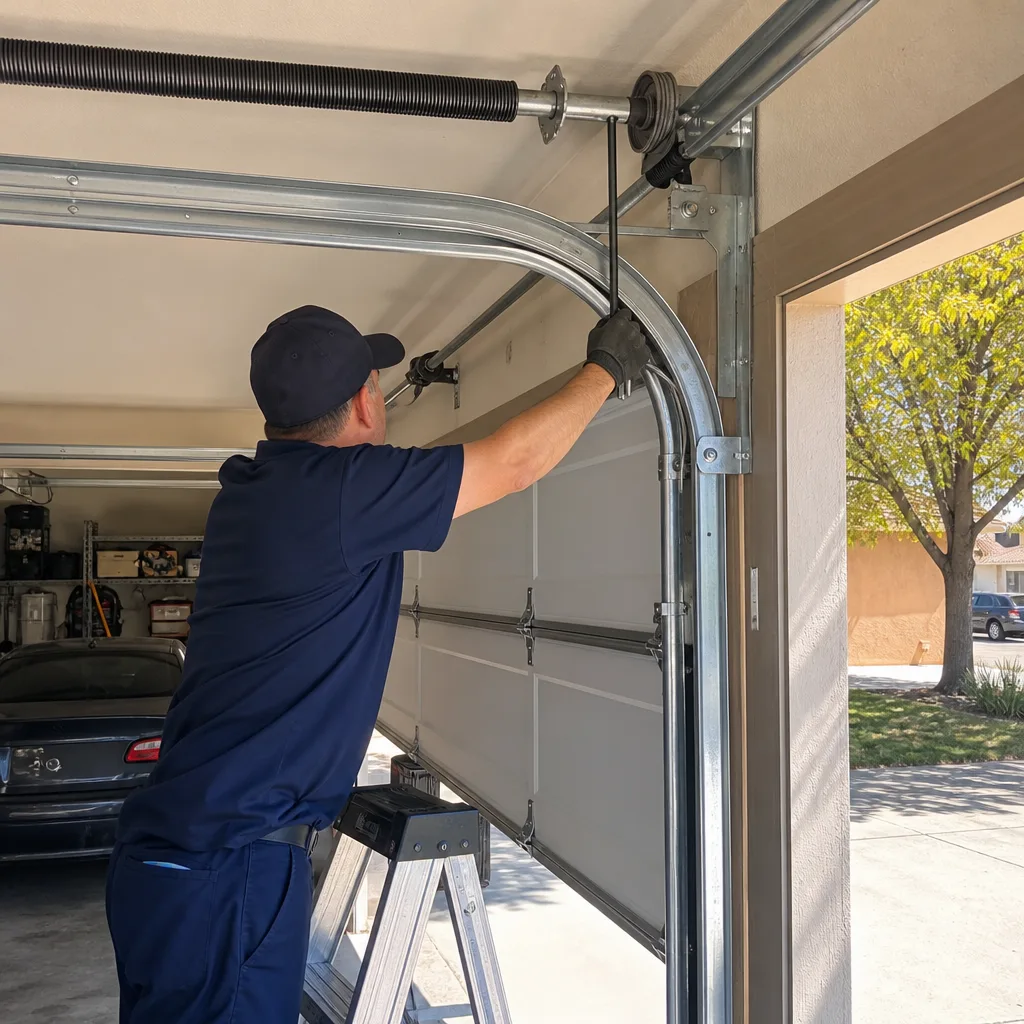 After
After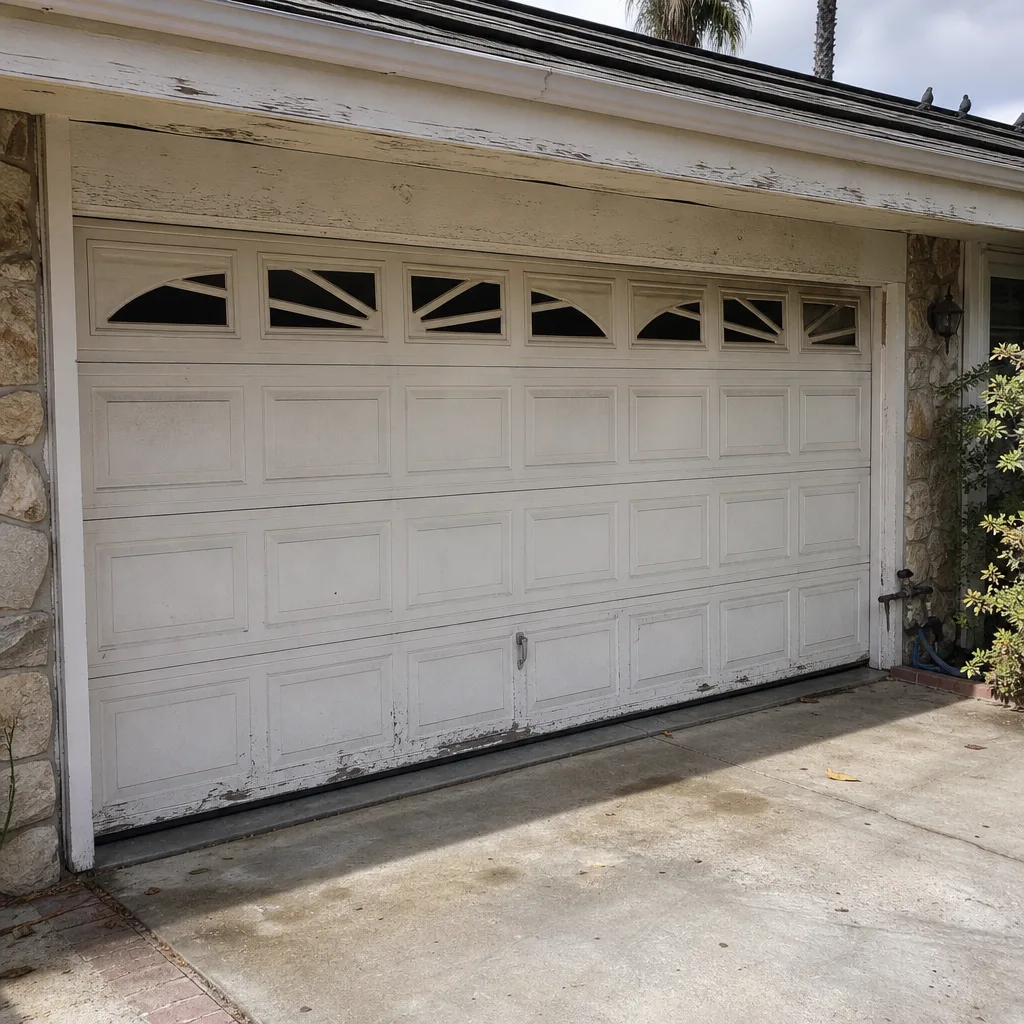 Before
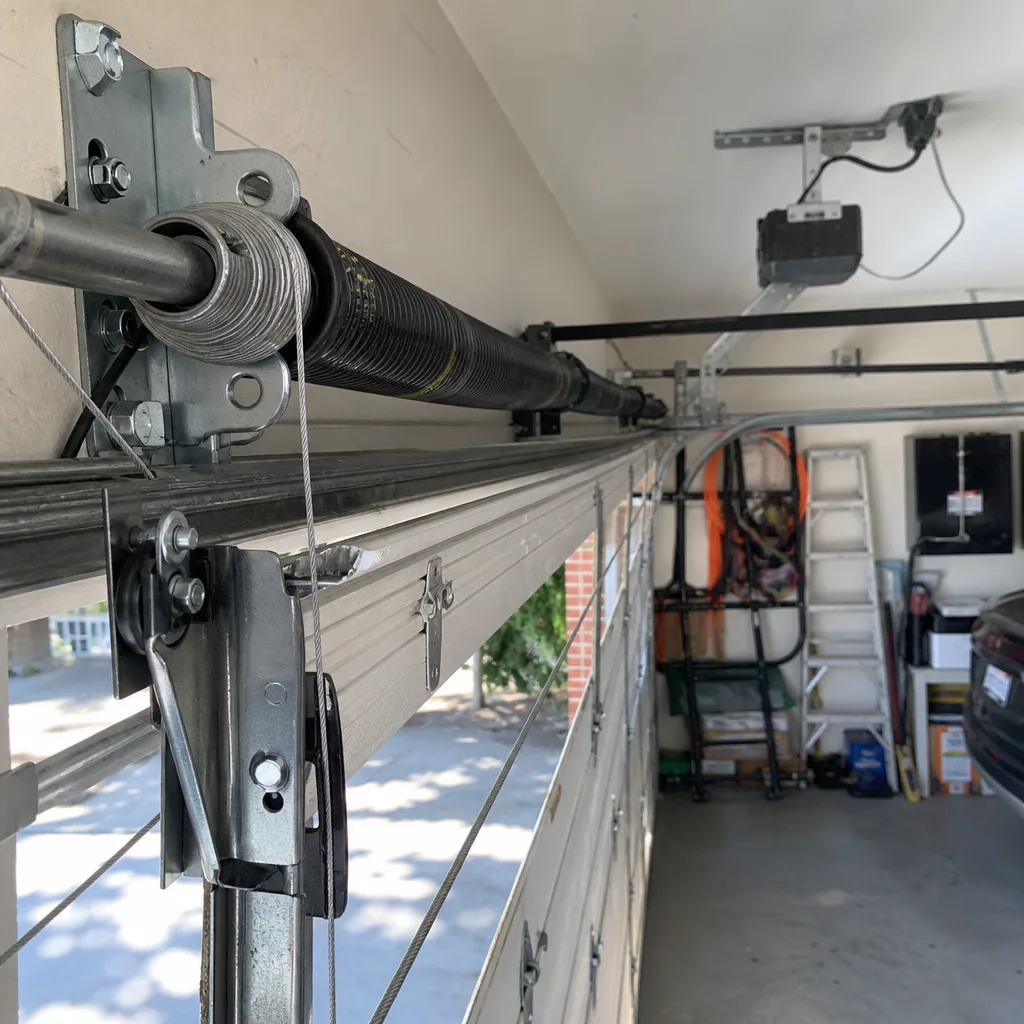 After
After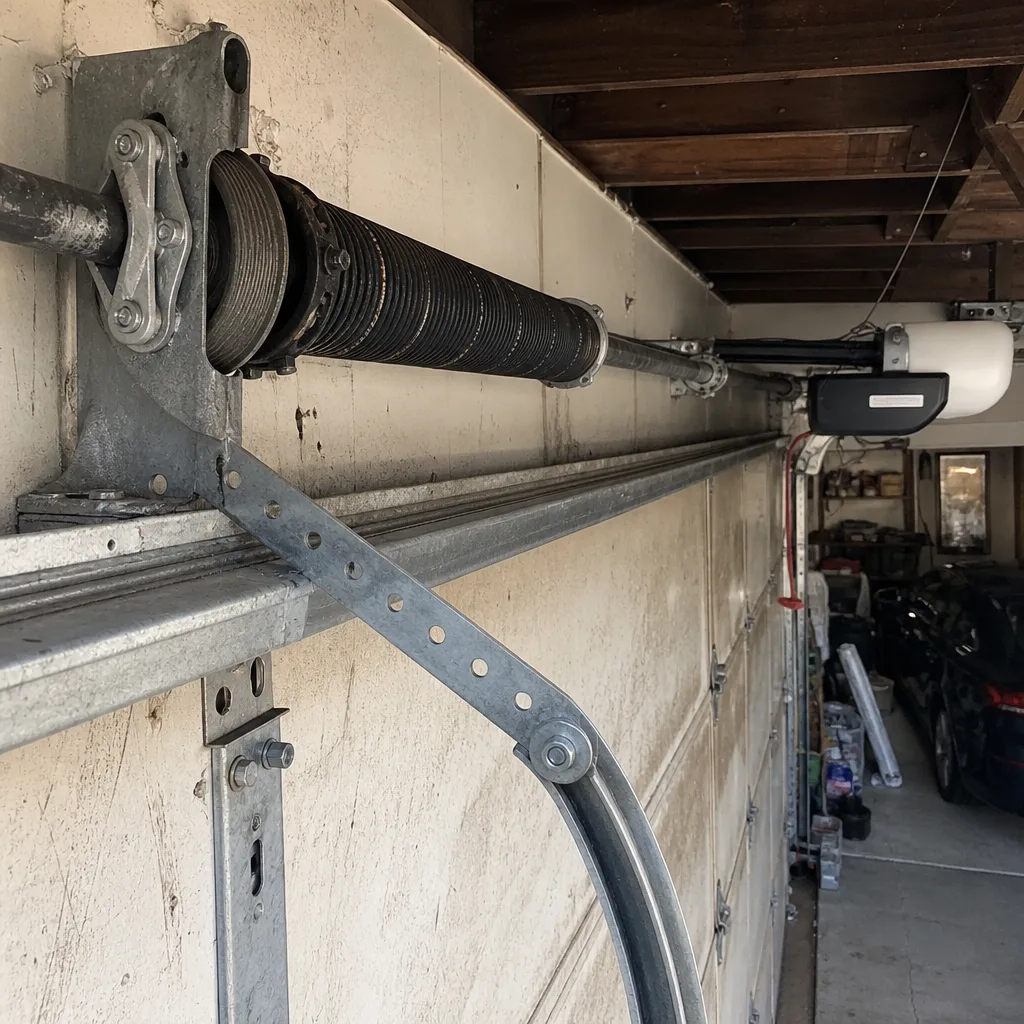 Before
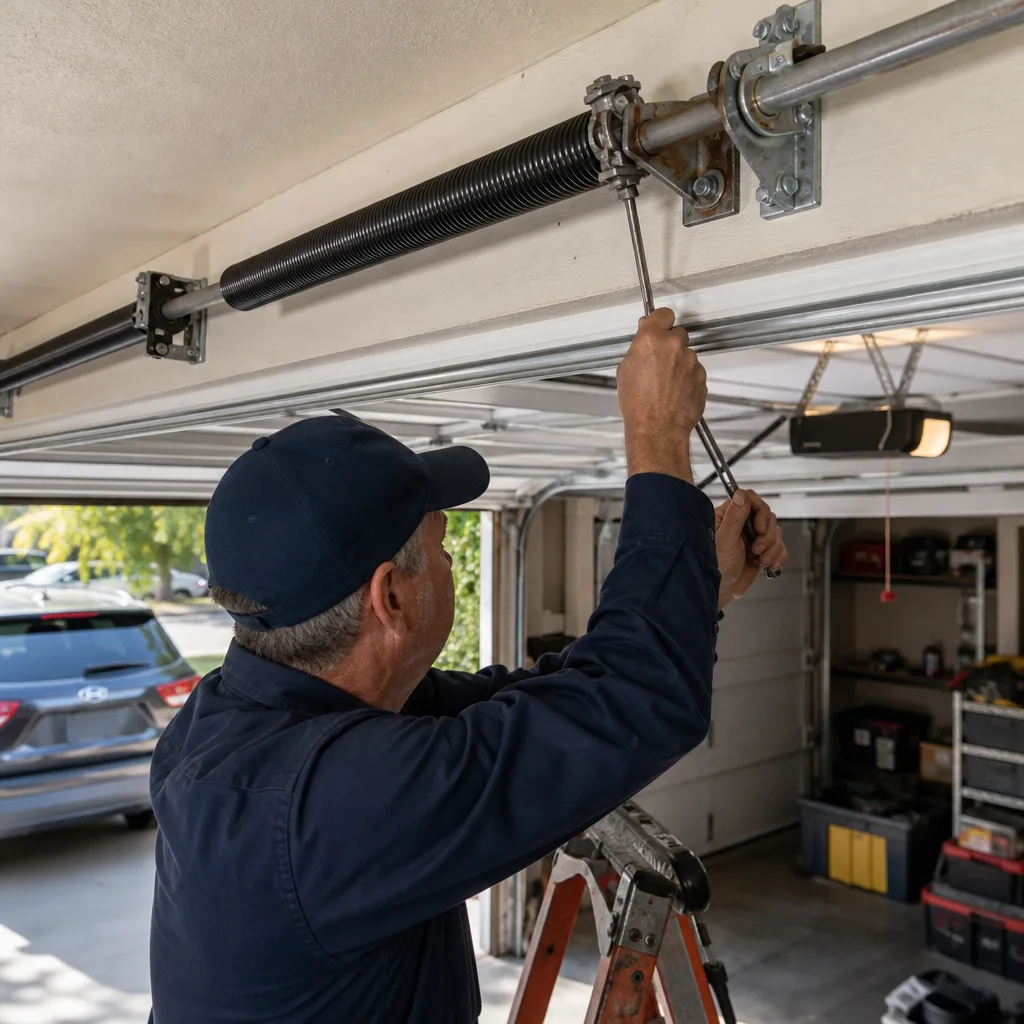 After
After