
Last updated October 16, 2026
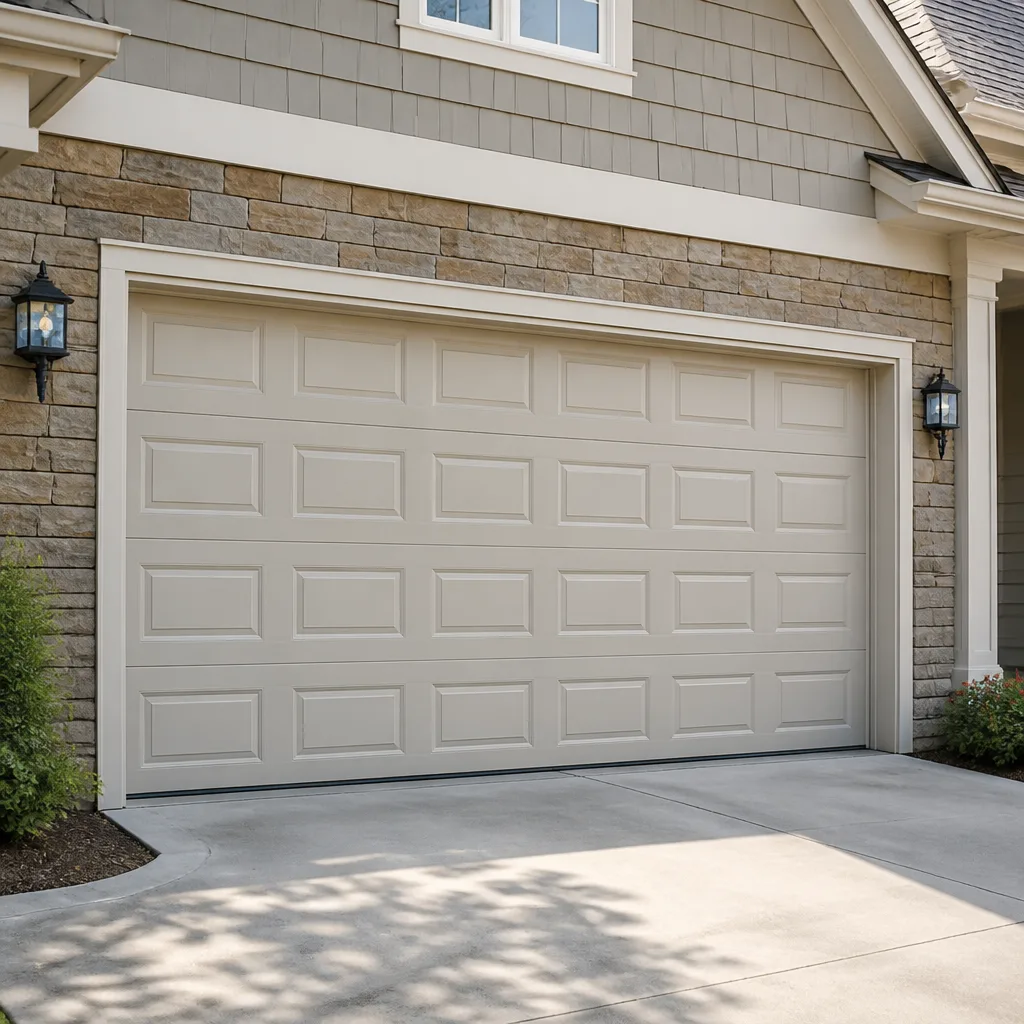 Raised-panel steel
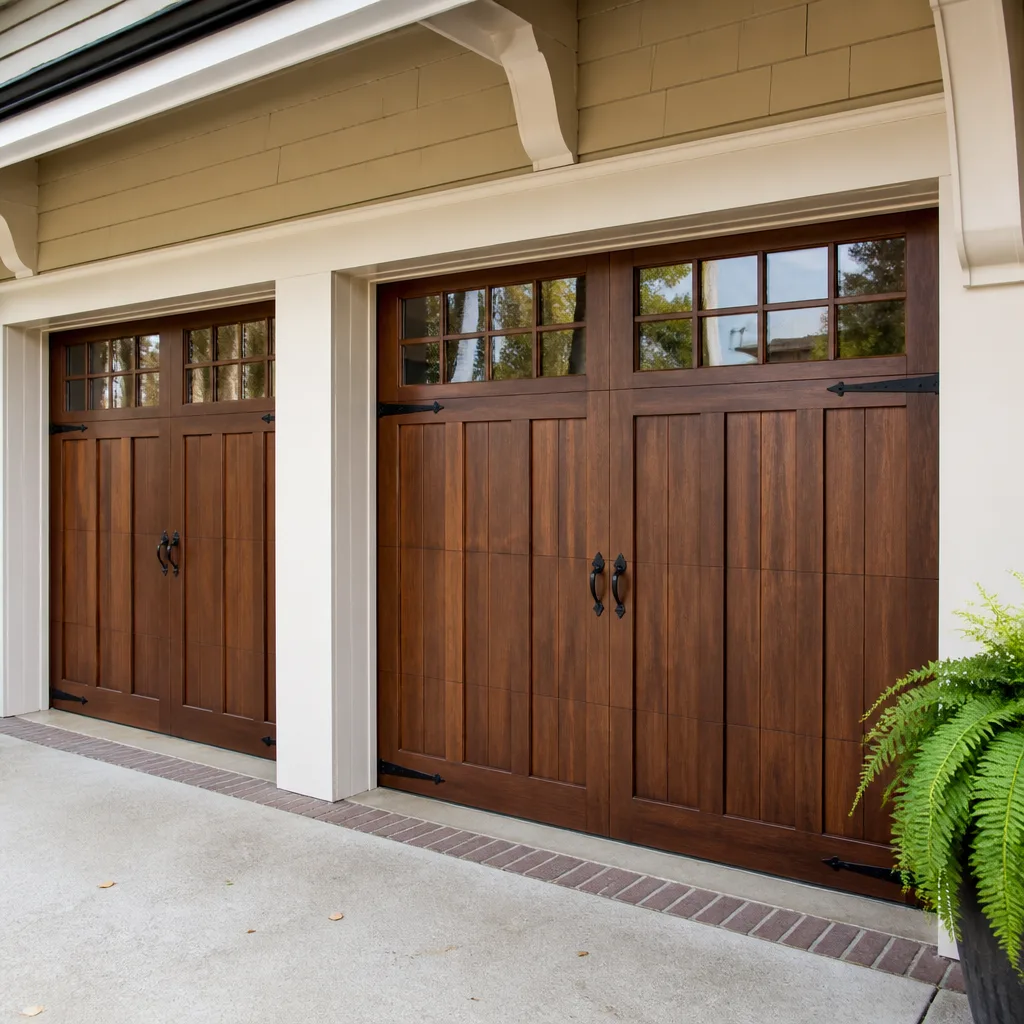 Carriage house
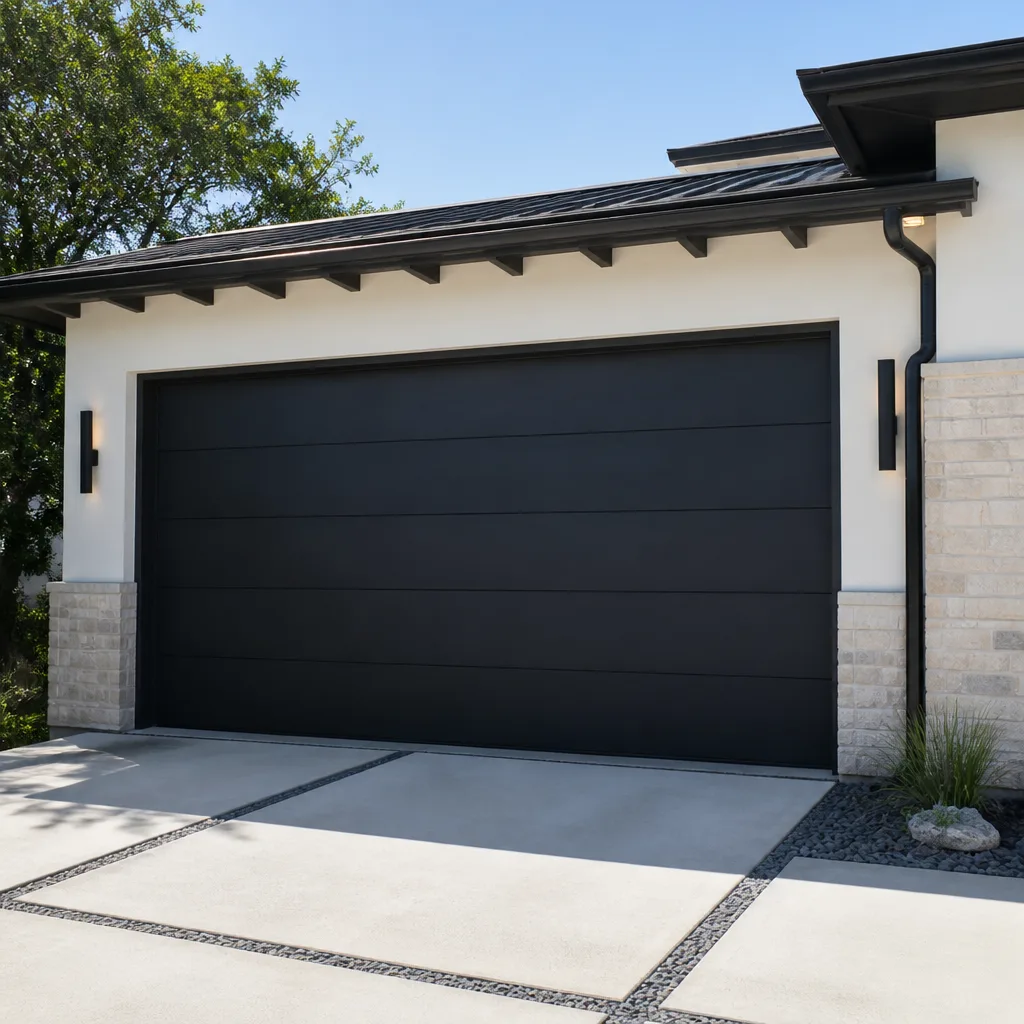 Modern flush
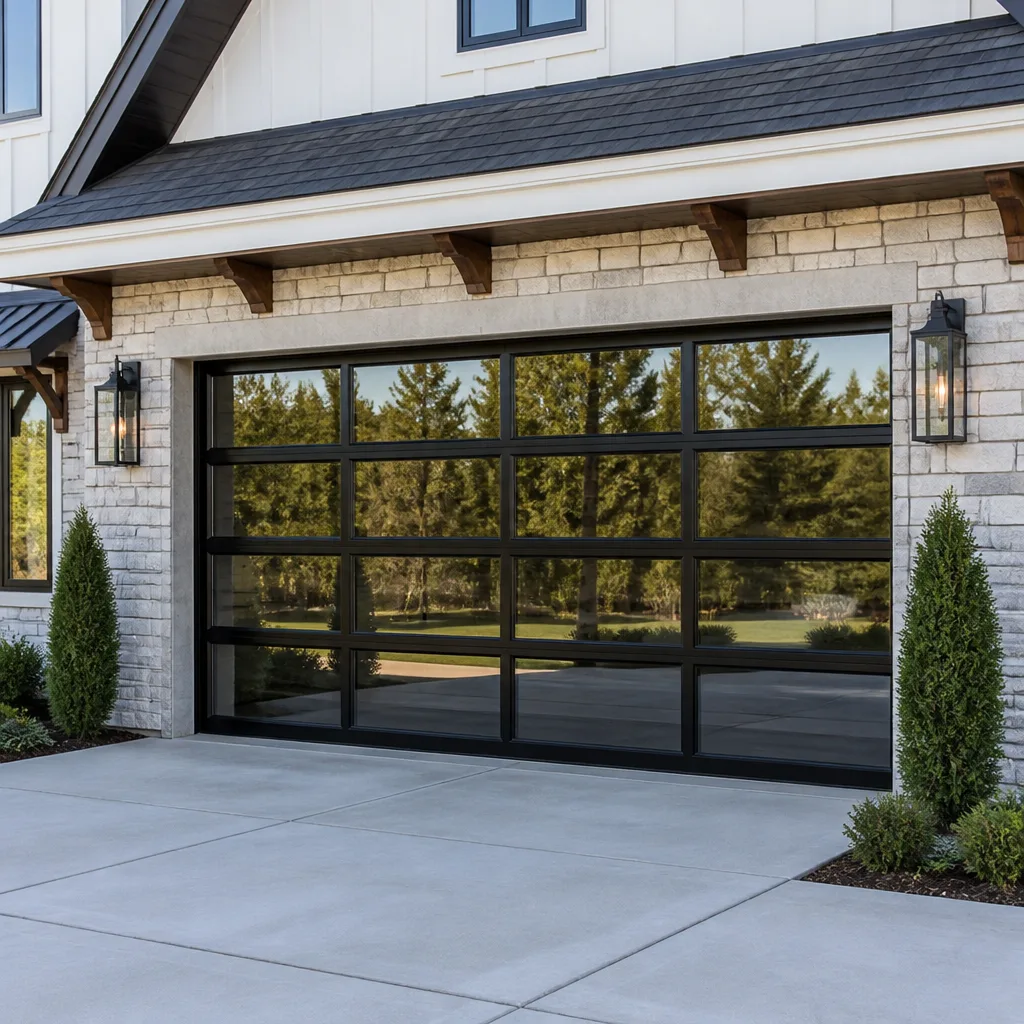 Full-view glass
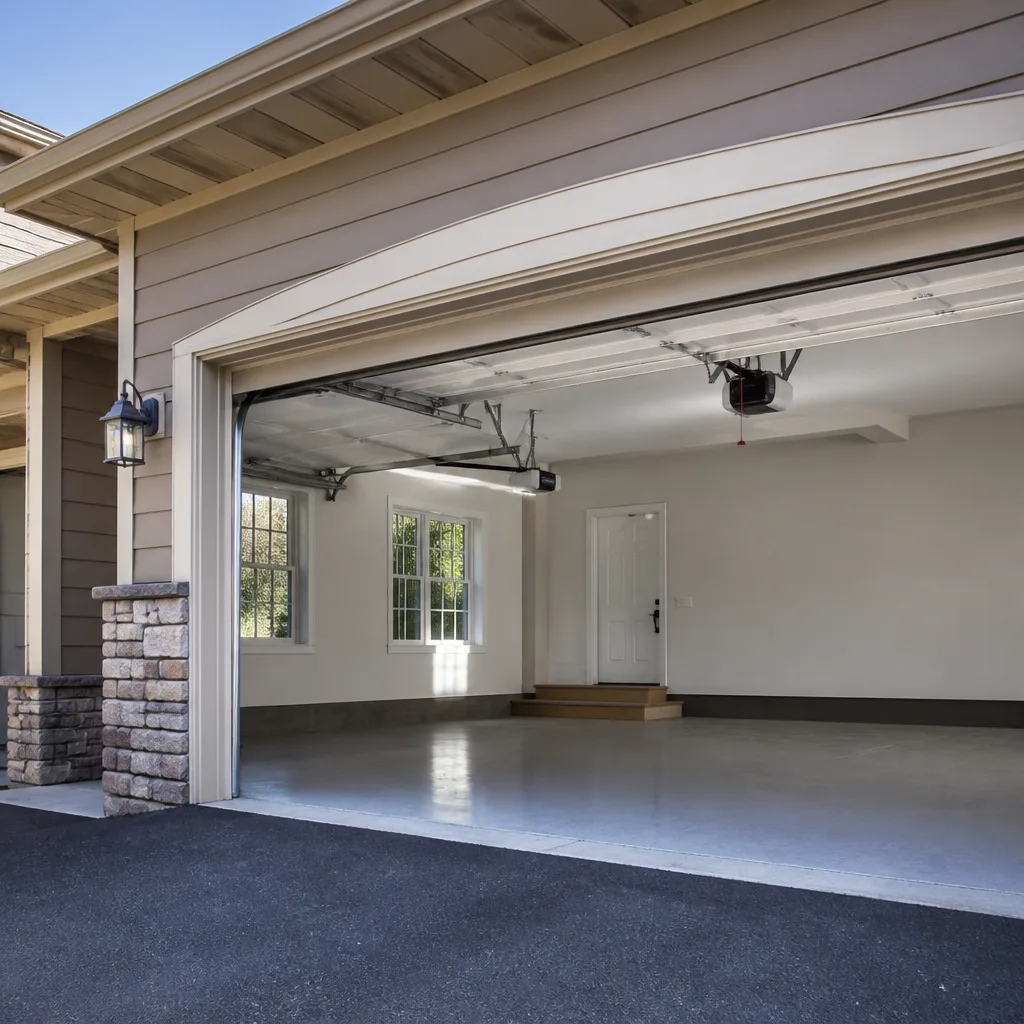 LiftMaster openers
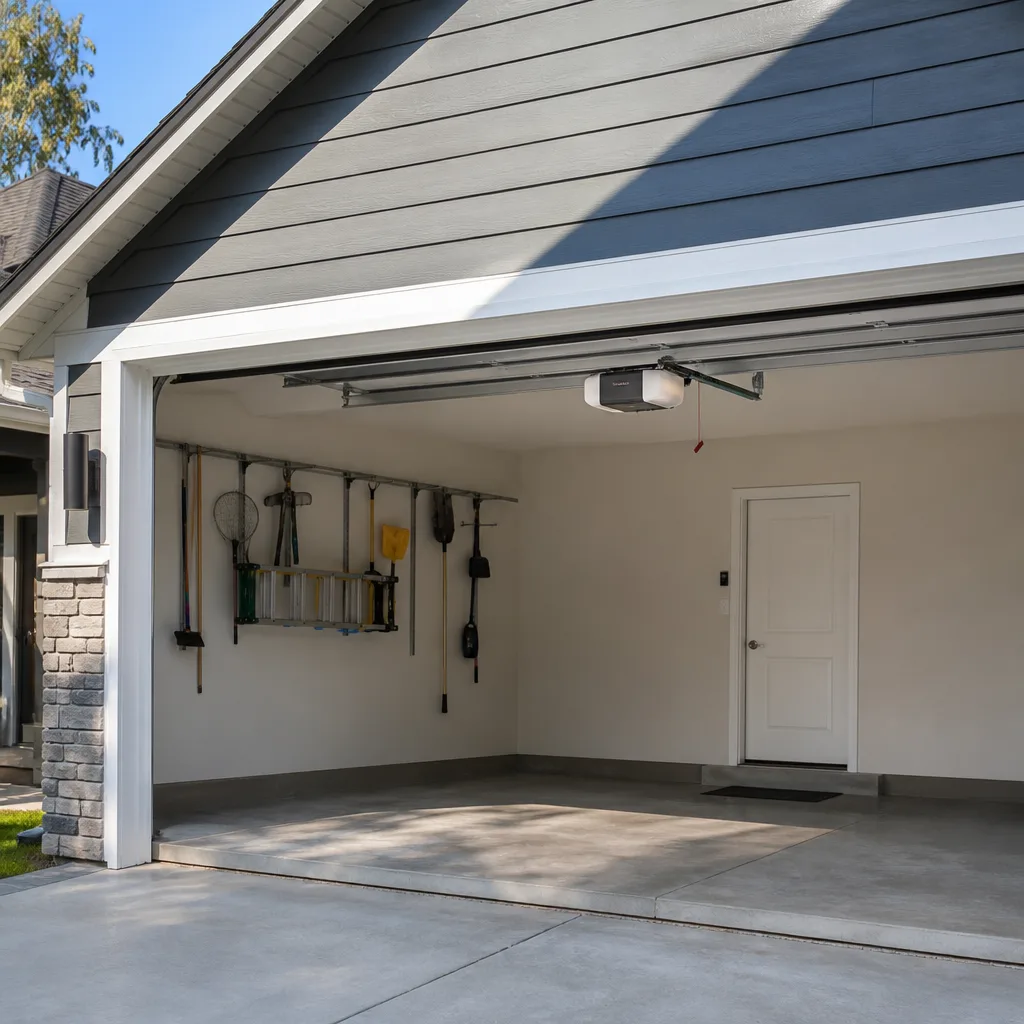 Chamberlain openers
Full 25-point door and opener safety check with every visit - springs, cables, rollers, tracks, and your LiftMaster or Chamberlain opener included
You get a price before we start. It does not change when the truck arrives.
Get your free estimateGarage Door Warning Signs: A Woodland Hills Homeowner’s Reference Guide
Here’s a statistic that should get your attention: most garage door failures in Woodland Hills don’t happen without warning. They announce themselves days or sometimes weeks in advance, through sounds you’ve been ignoring, speeds you’ve stopped noticing, and visual cues you walk past every morning. A garage door that takes two seconds longer to open than it did six months ago isn’t “getting old.” It’s a torsion spring that has lost 15 to 20 percent of its tension and is four to six weeks from snapping, usually at 7 a.m. when you’re already running late. This guide teaches you to read those signals by sound, speed, and sight so you can schedule a repair on your calendar instead of during a panic, and for a deeper dive, see The Complete Guide to Garage Door in Woodland Hills.
Quick Answer
The most common garage door warning signs in Woodland Hills homes are a door that opens slower than it used to, a grinding or popping sound during operation, visible fraying on the cables, a gap in the torsion spring above the door, and an opener that reverses without anything blocking the sensors. If you notice any of these, book an inspection before the door stops working entirely. A spring or cable failure mid-cycle can damage the door panels, the opener, and anything parked underneath.
Styles & brands we work with
Table of Contents
- Sound Diagnosis: What Your Garage Door Is Telling You
- Speed and Balance Tests You Can Run This Weekend
- Visual Warning Signs Ranked by Urgency
- Opener Behavior Signals Most Homeowners Miss
- Why Woodland Hills Climate Accelerates Spring Wear
- False Positives: Signs That Look Scary But Aren’t
- Common Mistakes to Avoid
- When to Call a Professional
- Frequently Asked Questions
Sound Diagnosis: What Your Garage Door Is Telling You
Your garage door speaks in four distinct noises, and each one points to a different problem. Learning the difference takes about five minutes and saves you from guessing wrong when you call for garage door repair in Woodland Hills. Here’s what we tell every homeowner who calls us about a “weird sound.”
The Four Sounds That Matter
- Grinding (metal on metal, continuous): This is almost always a roller or bearing issue. The rollers that guide your door along the track have ball bearings inside, and when those bearings wear out, the roller stops spinning and starts sliding. The grinding is steel dragging on steel. Left alone, it scores the track and eventually the roller seizes completely, which can pull the door off balance.
- Popping (sharp, intermittent, from above the door): A popping sound during operation means a torsion spring coil is slipping. Torsion springs, the horizontal coils above your door, are wound tight and hold enormous tension. When a coil slips against its neighbor or against the mounting cone, it makes a quick pop. This is the sound of a spring that’s starting to fail. Do not ignore it and do not stand under the door while it operates.
- Scraping (high-pitched, consistent): A scraping sound usually means the track is out of alignment and the door edge is dragging against it. This happens when a track bracket loosens over time or when the door gets bumped off center. The door still works, but every cycle is shaving metal off the track and putting side-load strain on the hinges.
- Clicking (rapid, rhythmic, from the opener motor): A rapid clicking when you press the wall button usually points to the opener’s logic board or a failing capacitor in the drive unit. On LiftMaster and Chamberlain models, it can also signal a misaligned travel limit sensor. It’s less urgent than a popping spring, but it won’t fix itself either.
In our experience across Woodland Hills neighborhoods from Walnut Acres to Vista de Oro, grinding and popping are the two sounds that predict the most expensive failures when ignored. Both are cheap fixes when caught early and costly when not.
Speed and Balance Tests You Can Run This Weekend
You don’t need any tools to run the two most useful diagnostic tests on a garage door. Both take under two minutes, and both tell you more about spring health than anything you can see from outside.
Test 1: The Disconnect and Lift Balance Test
- Close the door completely.
- Pull the red emergency release cord hanging from the opener rail. This disconnects the door from the opener carriage.
- Lift the door manually to about waist height and let go.
- Watch what happens. A healthy door stays put or drifts very slowly. If the door drops quickly, the springs are under-tensioned and doing less than their share of the lifting. If the door shoots upward, the springs are over-tensioned, which shortens their lifespan.
- Reconnect the opener by running it once until it locks back onto the carriage.
Safety note: a door that drops fast during this test weighs 130 to 200 pounds. Keep your body out from under it. If the door drops hard, that’s a serious spring problem. Don’t try to adjust spring tension yourself. Torsion springs hold enough stored energy to cause severe injury, which is why this test is diagnostic only. Book a garage door spring repair in Woodland Hills and let a trained tech handle the fix.
Test 2: The 5-Second Close Benchmark
Stand next to the wall button and time how long the door takes to close from fully open to fully closed. On a standard 7-foot door, a healthy opener closes in 5 to 7 seconds. If your door now takes 9 or 10 seconds, the spring is losing tension and the opener is working harder to compensate. Opener motors are not designed to lift the full weight of the door on their own. They’re designed to assist the springs. A slow door is a door where the opener is doing the springs’ job, and that burns out the opener’s gears in a season or two. Replacing springs runs roughly $150 to $290 in Woodland Hills depending on spring type and door weight. Replacing an opener because you didn’t replace springs runs $400 to $650. The math argues for listening to the slow door.
Visual Warning Signs Ranked by Urgency
Some visual problems you can live with for a few weeks. Others mean you should not operate the door again until a professional has looked at it. Here’s how we rank what we see in Woodland Hills garages, from emergency down to keep-an-eye-on-it.
Immediate: Gap in the Torsion Spring
Stand inside the garage with the door closed and look up. The torsion spring on a standard setup runs horizontally above the center of the door. If you see a visible gap anywhere along its length, the spring has broken. If there’s a gap, the door is now entirely too heavy for the opener on the other side and one more cycle can strip the opener gears, drop the door, or both. Do not operate the door. Call us at (341) 888-6519. This is a same-day repair situation.
Days: Cable Fraying
The cables run vertically along both sides of the door, attached to the bottom brackets. Run your eyes along each cable from bottom to top. If you see any individual wires poking out, any fuzziness along the cable body, or any rust discoloration at the attachment point, the cable is days from failure. Cables hold the door under tension throughout the cycle. When one snaps, the corner of the door drops suddenly, which can knock the door off its track and damage the sections. Cable replacement in Woodland Hills is a quick fix, but after a snap it becomes a bigger repair. We cover the details on our garage door cable repair page.
Weeks: Rust Bloom on the Springs
Surface rust on a torsion spring isn’t cosmetic. The coils sit under constant friction as the door cycles, and rust creates micro-pitting that concentrates stress in specific points of the coil. A rusted spring fails earlier than a clean one, every time. In Woodland Hills, where the Santa Ana winds bring dry, dusty air for months at a stretch, springs collect fine dust that holds moisture against the coil surface. That dust-and-moisture cycle speeds rust formation. If you see rust bloom spreading on the spring, budget for replacement within the month. The average torsion spring is rated for 10,000 cycles, which for most households is 7 to 10 years. A rusted spring may make it 6.
Weeks: Door Sagging When Half-Open
Open the door about three feet and step back to eye level with the top edge. If the top panel tips noticeably downward toward one side, a spring is fatiguing unevenly or a cable has stretched. The door should sit level through every point in its travel. A visible tilt is the mechanical system compensating for unequal tension, and it puts disproportionate load on one side’s hinges and rollers. This is a “schedule it this month” problem, not a “wait and see” problem.
Opener Behavior Signals Most Homeowners Miss
The opener is the most communicative component in the whole system. It reports problems through three specific behaviors that are easy to dismiss as quirks but are actually diagnostic. Here’s what each one means on the drive unit, whether you have a LiftMaster, Chamberlain, Genie, or Clopay opener.
Door Reverses Without Obstruction
If the door starts closing and then reverses back to open with nothing in the way, the opener’s safety reverse is being triggered by resistance, not obstruction. The opener measures motor load throughout the cycle. When springs weaken or rollers bind, the motor works harder, and when the load exceeds the reverse threshold, the opener reverses to prevent damage. This is a spring or roller issue reporting through the opener. Clean the photo eye lenses first, check for loose wiring on the sensors, and if the reversal persists, the door mechanism itself is the culprit.
Remote Range Shrinking
When your remote works from 30 feet but not from the street, most homeowners blame the battery. A fresh battery that doesn’t fix the range usually points to electrical interference. In Woodland Hills, certain LED bulbs installed in the opener housing create radio frequency interference that cuts range dramatically. Swap them for garage door-specific LEDs before replacing anything else. If range is still poor, the opener’s receiver board is aging. Range loss is rarely urgent, but it’s a sign the opener electronics are degrading.
Wall Button Lag
Press the wall button and count the delay before the door moves. A half-second is normal. One to two seconds means the logic board is failing, not the motor. On LiftMaster and Chamberlain units, this lag often precedes total board failure by a few weeks. Since the board is the opener’s brain, treating it early costs less than replacing the whole unit. On Genie and Clopay openers, the lag can also indicate a dying wall console. Either way, if the lag is new, schedule a diagnostic.
Why Woodland Hills Climate Accelerates Spring Wear
Most garage door maintenance advice is written generically, but climate matters, and Woodland Hills has a specific pattern that affects spring life differently than coastal Los Angeles or the Valley floor-see our Seasonal Garage Door Care for Woodland Hills: Year-Round Homeowner’s Guide for maintenance timing. If you live in the hills south of Ventura Boulevard or north toward the Topanga corridor, here’s what your garage door is up against.
First, temperature swings. Woodland Hills regularly sees 30-degree spreads between night and midday during spring and fall. Steel torsion springs expand and contract with temperature, and that thermal cycling works the coil lattice at a microscopic level. Over 20 years, homes in Woodland Hills put more thermal fatigue on their springs than homes in more temperature-stable neighborhoods like Sherman Oaks.
Second, that dry, dusty air. The dust that settles on everything during Santa Ana events doesn’t just sit on your car. It settles on the spring coils, the cable drums, and the roller bearings. That dust is abrasive. Every time the door cycles, the dust works its way into moving contact points, accelerating wear on cables and rollers. We see cable fraying in Woodland Hills garages at higher rates than in coastal neighborhoods, and the dust is the reason.
Third, direct sun on metal door panels. A west-facing garage door in Woodland Hills absorbs afternoon heat that pushes panel temperature well over 120 degrees in summer. The panels expand, the metal fatigues, and the door’s weight characteristics shift. Springs sized for a cold door at installation are suddenly working against a heat-expanded door. It’s incremental, but over years it adds cycles of fatigue that shorten spring life.
None of this means your garage door is doomed. It means the “10,000 cycle” spring lifespan rated by manufacturers lands closer to 7 to 8 years for many Woodland Hills homes, and the inspection you should do once a year matters more here than it would in a milder climate.
False Positives: Signs That Look Scary But Aren’t
Not every irregularity means your garage door is failing. Here are three things we get called about regularly that are either cosmetic or self-resolving. Knowing these saves you a service call and the minor panic that comes with it.
Minor Weatherstripping Gaps
A small gap where the bottom weatherstrip meets the concrete floor at one corner looks like a structural problem. It’s usually just the floor. Garage floors settle and crack over time, and a slab that has shifted a quarter inch creates a light gap at one corner that has nothing to do with the door. If the door closes flush elsewhere and the gap is under a half inch, you’re looking at floor settlement, not door failure. A new thicker weatherstrip solves it for under $30 if it bothers you.
Surface Rust on Tracks
Oxidation on the vertical tracks looks alarming but is almost always cosmetic. The track surface isn’t a wear surface, the rollers ride on the inside channel. Surface rust on the outside of the track doesn’t affect function. Only worry if rust has pitted the roller channel itself, which is rare and usually only on very old doors.
Opener Vibration on Cold Mornings
That one cold morning in Woodland Hills when the opener sounds louder and vibrates more than usual. Cold oil in the opener gear case is thicker, and the nylon gears are stiffer until they warm up. By the third cycle, the noise should return to normal. If it doesn’t, then it’s a bearing issue. But a noise that appears only on the coldest mornings of the year, and only for the first cycle or two, is thermal, not mechanical.
Common Mistakes to Avoid
- Spraying WD-40 on everything. WD-40 is a solvent, not a long-term lubricant. On rollers and hinges, it washes out the existing grease and leaves moving parts nearly dry. Use white lithium grease on metal-on-metal contact points, and silicone spray on nylon rollers. Never lubricate the spring coils to stop rust, the coils need friction against their mounting cones to operate correctly.
- Re-tensioning springs after watching a video. Torsion springs store enough energy to break bones or worse. This is the one repair where the cost of getting it wrong is measured in fingers, not dollars. The $150 to $290 a spring replacement costs in Woodland Hills is cheap compared to an ER visit. Our garage door spring repair team handles this the right way.
- Ignoring a slow door because it still opens. The door still opening is the trap. The opener is compensating for failing springs, and every cycle burns motor life. Slow today means dead opener in three months and a broken spring shortly after. Fix springs when you first notice the slowdown and you skip both failures.
- Replacing the opener when the springs are the problem. If a new opener is installed on a door with worn springs, the new opener inherits the same overload. You’ll get 18 months out of a unit that should last 10 years. Springs and openers have different life cycles, but when one is failing, check the other before spending money.
- Testing door behavior by standing under it. Always run diagnostic tests from beside the door, never underneath. A door that drops during a balance test comes down with 130 to 200 pounds of force. That’s the difference between an interesting diagnostic result and a hospital trip.
- Waiting until the door fails to compare prices. Emergency repair on a Saturday night costs more than scheduled repair on a Wednesday afternoon. When you notice any warning sign, get quotes immediately, even if you don’t book the work that day. Knowing your number before the emergency means no desperation pricing when it fails.
When to Call a Professional
Call a professional the same day if you see a gap in the torsion spring, fraying on either cable, or the door drops hard during a balance test. These are failure-in-progress conditions that will not self-correct. Call within the week if the door is grinding, popping, or slowing noticeably. These are early failure warnings that are still cheap to fix. And call before you DIY anything involving springs or cables. Marlow Garage Door Repair Woodland Hills offers free estimates to homeowners throughout Woodland Hills, and we show up with a written price before any work begins. Call (341) 888-6519 and a live person answers, 24/7.
Frequently Asked Questions
Garage door spring replacement in Woodland Hills typically runs $150 to $290 depending on spring type, door weight, and whether you’re replacing one spring or both. That’s the realistic range we quote daily in this market. You’ll see the exact number in writing before we start, and that number doesn’t change at the end of the job. Call (341) 888-6519 for a free estimate on your specific door.
Yes. When a torsion spring breaks while the door is closing, the door drops with nothing counterbalancing its weight. A 16-foot double door weighs 130 to 200 pounds. If your car is partway in the garage, that’s a dent, a cracked windshield, or worse. This is why the gap in the spring is our “do not operate” warning. Get it fixed before the door cycles again.
Standard torsion springs are rated for 10,000 cycles, which in a typical Woodland Hills household equates to 7 to 10 years. The heat and dust conditions common in the hills near the Topanga corridor tend to pull that number toward the shorter end. If your springs are past year seven and you’re noticing any slowdown or popping, start planning replacement now rather than waiting for the break.
A reversing opener with clear sensors usually means the motor is sensing resistance overload from worn springs or binding rollers. The safety reverse is doing its job: it feels the motor working too hard and backs off. The fix is usually in the door mechanism, not the opener electronics. A diagnostic will tell you which component is causing the load spike.
Yes. Torsion springs are installed in pairs and wear at roughly the same rate. When one breaks, the other is typically within a few weeks of failing. Replacing both at once restores balanced tension and costs less than two separate service calls. Most reputable shops in Woodland Hills will recommend the pair, and it’s the right call.
We do. Marlow Garage Door Repair Woodland Hills serves the full Woodland Hills area, from the neighborhoods around Warner Center south of Ventura Boulevard up through the hills toward Calabasas. We’re the Marlow Garage Door Repair Woodland Hills home team, locally operated, with live phone answer 24/7 and written pricing before every job.
The Bottom Line
Every serious garage door failure announces itself first. A slow door, a popping spring, a fraying cable, a reversing opener: these are all messages your garage is sending you about what’s coming. The homeowner who reads those messages saves hundreds of dollars and avoids the Monday-morning emergency where the door won’t open and the day falls apart. Run the balance test, time the close, look at the cables. If anything reads as a warning, call (341) 888-6519. We’ll give you a free estimate and a written price before we touch a wrench, and every repair is covered by our 365-Day Done Right Promise. In Woodland Hills, a garage door that works properly is just a door. A garage door that’s failing is a schedule disruption waiting to happen. You get to choose which one you have.
Written by Jaylen Ross, Owner at Marlow Garage Door Repair Woodland Hills, serving Woodland Hills since 2002.
See the difference
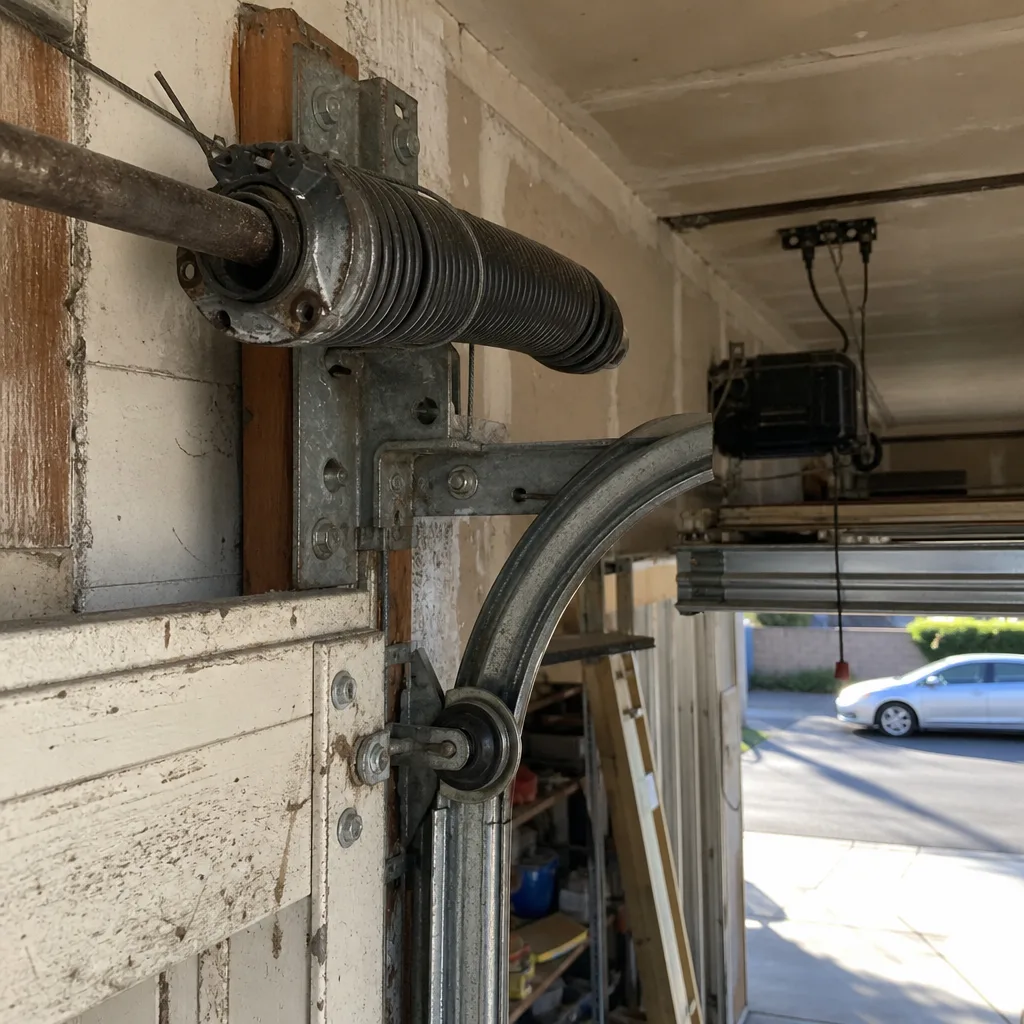 Before
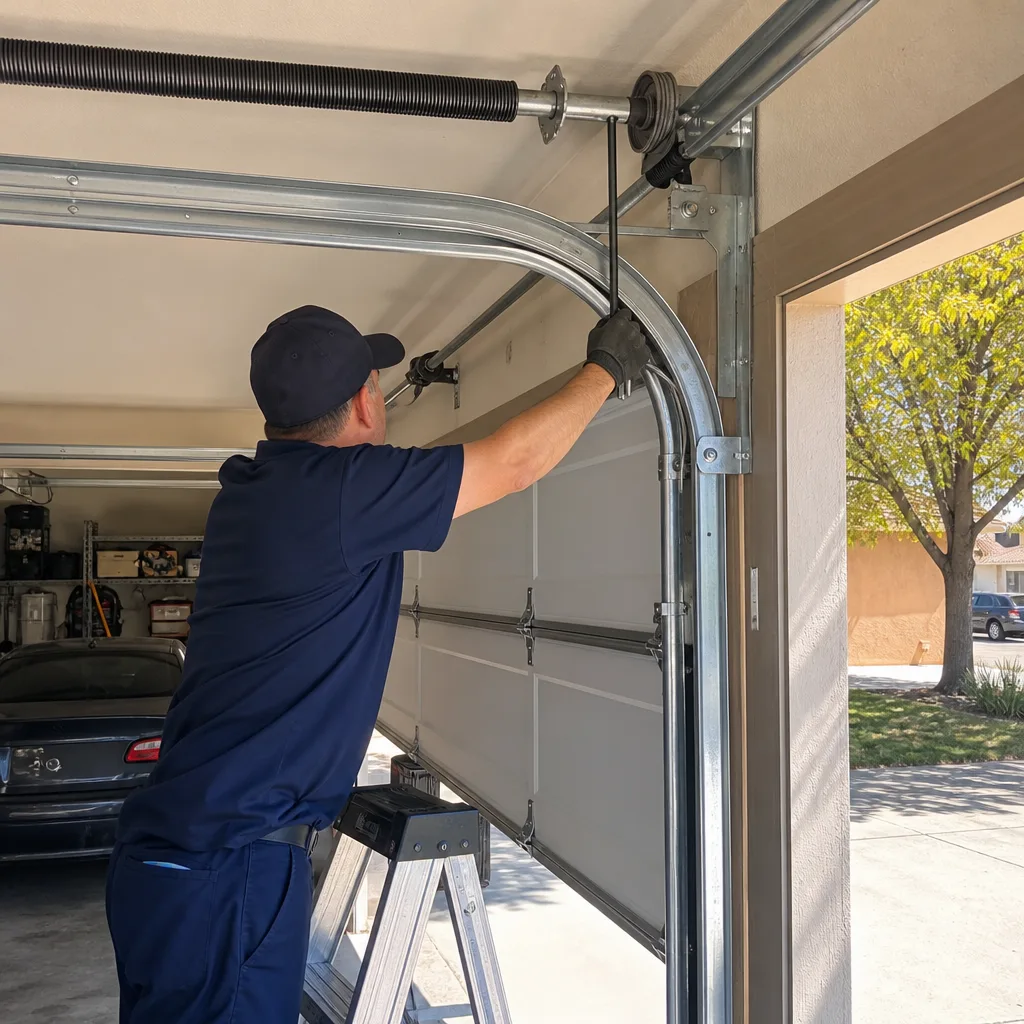 After
After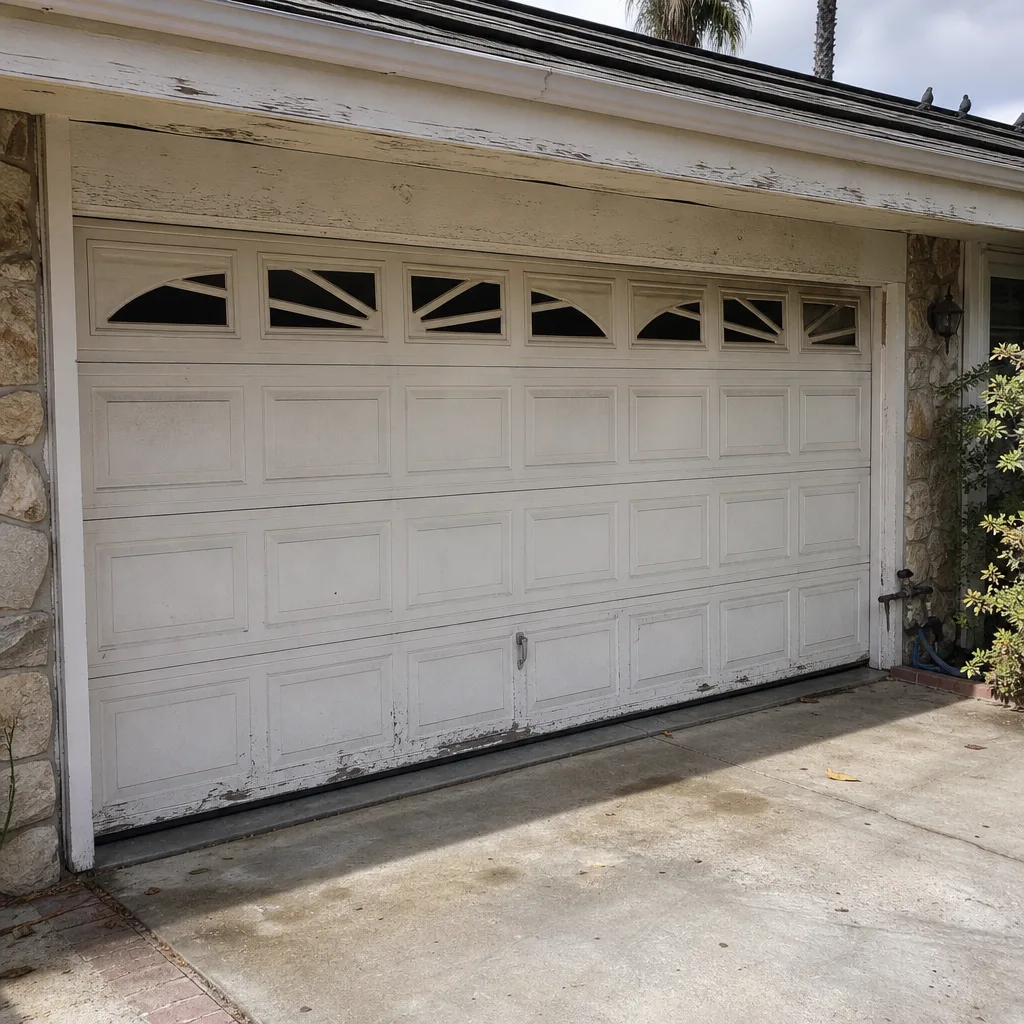 Before
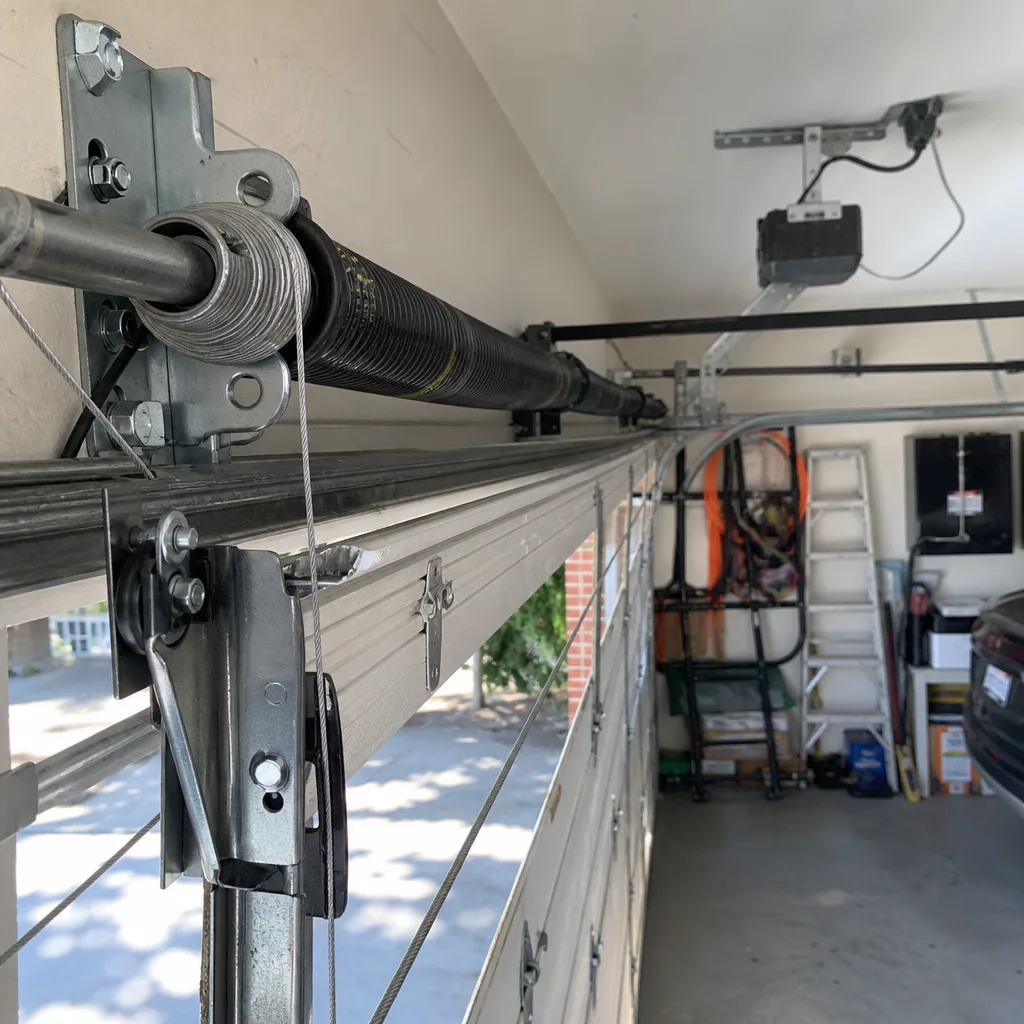 After
After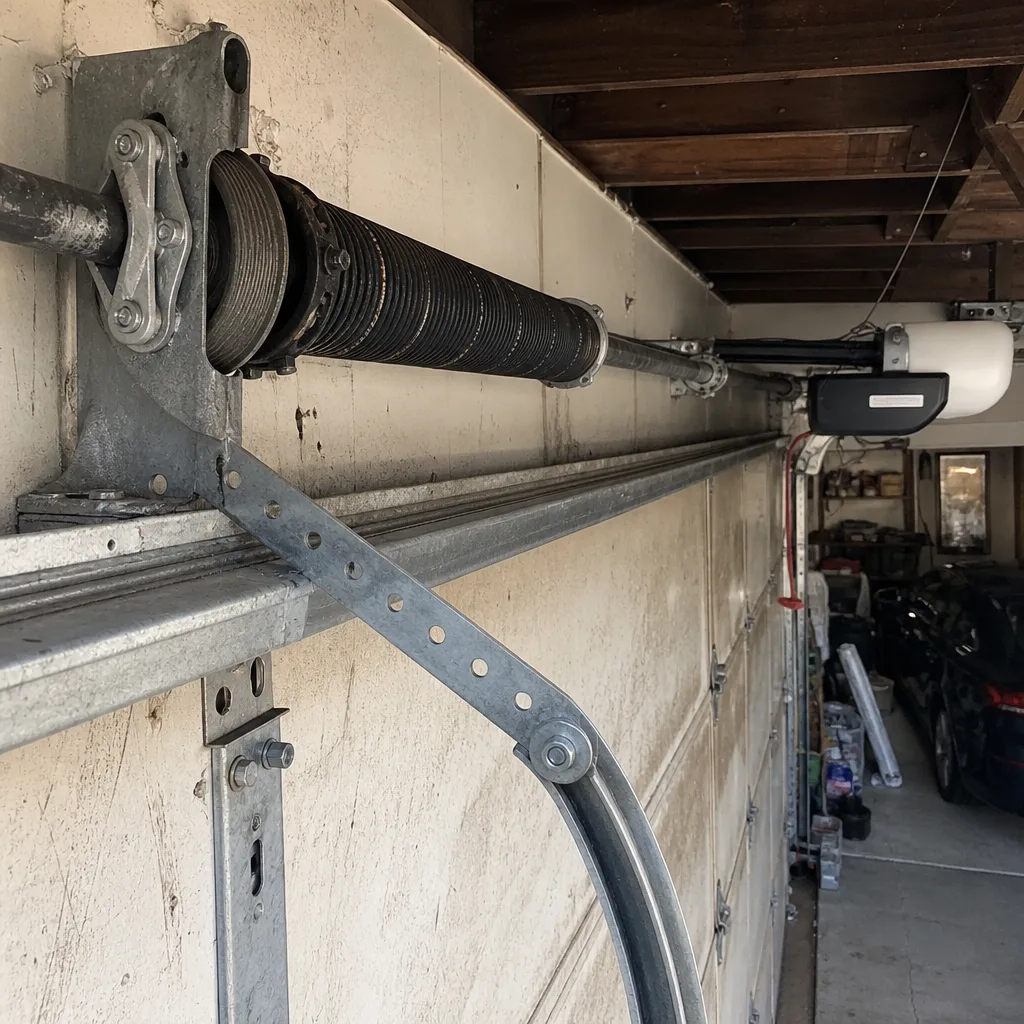 Before
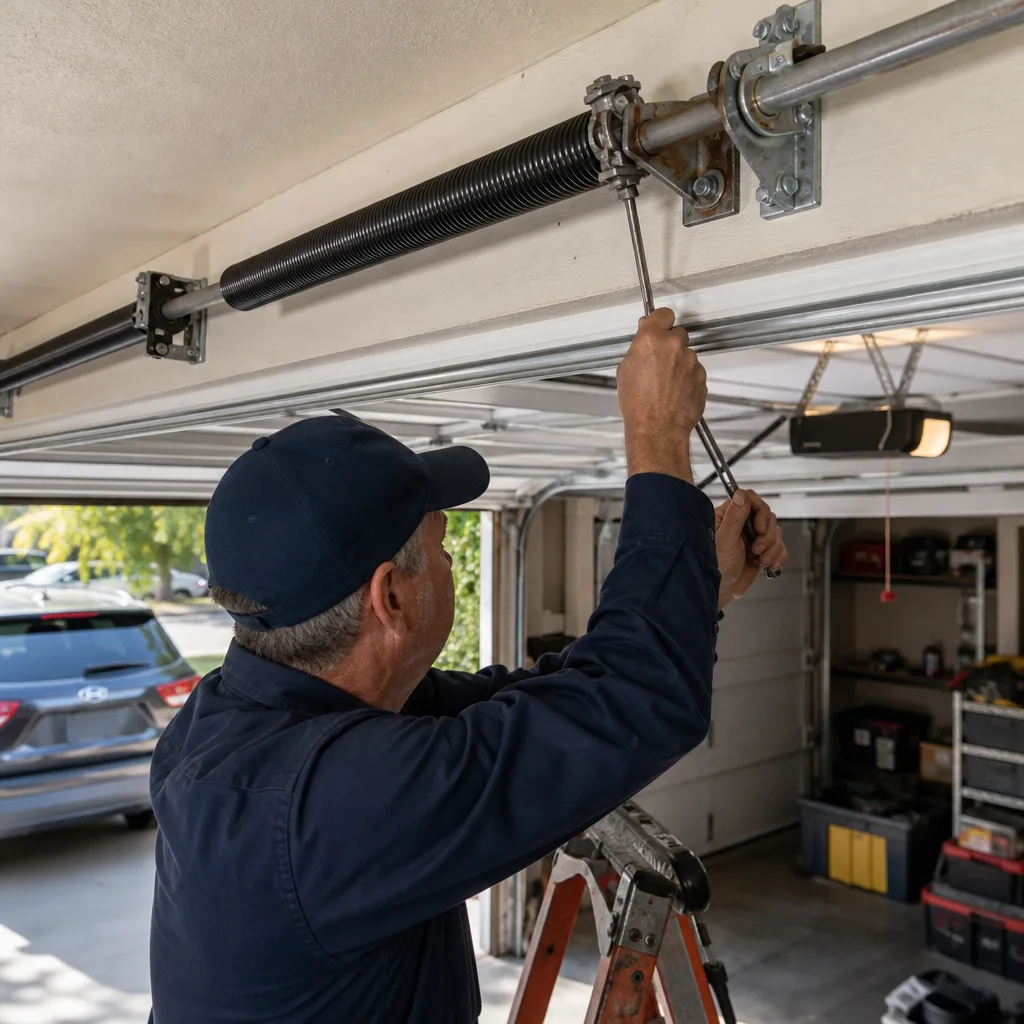 After
After